The Russia–Ukraine war entered another tense week marked by heavy Russian missile and drone attacks on Ukrainian cities, continued fighting along the eastern front, and a widening Ukrainian campaign against Russia’s energy and logistics infrastructure. While Moscow continued to rely on mass aerial strikes and pressure along several frontline sectors, Kyiv sought to demonstrate that Russia’s ability to advance on the battlefield is slowing, while Ukraine’s growing long-range strike capacity is increasingly bringing the war deeper into Russian territory.
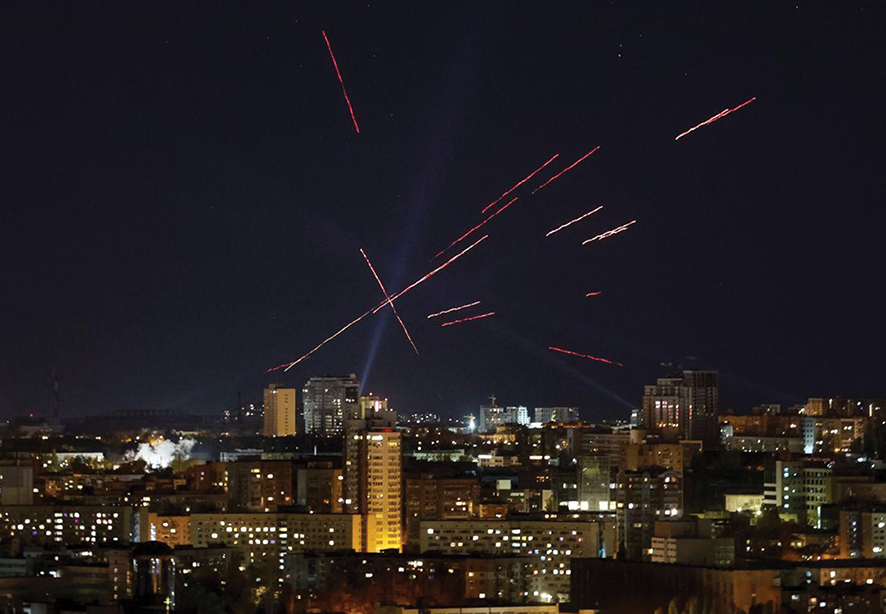
The most serious attack of the week came overnight on May 24, when Russia launched one of its largest recent combined missile and drone barrages against Kyiv and the surrounding region. Ukrainian officials said the attack involved hundreds of aerial targets, including ballistic and cruise missiles, as well as attack drones. Kyiv was the main target. The strike killed at least four people and wounded around 100, said Ukrainian officials, while damage was reported across all districts of the capital. Residential buildings, schools, civilian infrastructure and cultural sites were among the locations affected. Ukrainian President Volodymyr Zelensky condemned the attack as another attempt to terrorize civilians, while Russia claimed it had targeted military-related facilities.
The attack also carried broader military and political significance because Russia reportedly used an Oreshnik intermediate-range ballistic missile, underlining Moscow’s continued reliance on high-intensity missile strikes to overwhelm Ukrainian air defenses. The barrage renewed Kyiv’s calls for additional Western air defense systems, particularly Patriot interceptors, which remain critical against ballistic missiles. Zelensky urged the United States and Congress to provide more air defense support, arguing that Russia’s ballistic missile capability remains one of Moscow’s main advantages. Ukrainian officials said Kyiv has achieved high interception rates against drones, but that ballistic missiles continue to pose a more difficult challenge.
Beyond Kyiv, Russian strikes continued across Ukrainian regions throughout the week. In the Kharkiv region, a Russian attack killed two people, while other strikes hit civilian and infrastructure targets in frontline and rear areas. Russia also threatened what it called systematic strikes on defense-related sites in Kyiv and urged foreign nationals to leave, a warning that Ukraine and its allies described as intimidation and blackmail. The threat came after the heavy attack on the capital and amid Moscow’s claims that it was responding to Ukrainian strikes inside Russia.
On the battlefield, the overall picture remained one of intense but limited movements. The Institute for the Study of War assessed that Ukrainian forces have been increasingly able to hinder Russian advances and regain the tactical initiative in some sectors. Russian forces continued offensive operations in eastern and northeastern Ukraine, particularly around Donetsk, Kharkiv and Sumy directions, but analysts noted that Russia’s pace of advance has slowed compared with earlier phases of the war. Ukrainian forces have also conducted frontline strikes that appear to be disrupting Russian infiltration missions and complicating Moscow’s ability to concentrate forces for larger breakthroughs.
The Donetsk region remained the central focus of fighting. Russian troops continued to press near key defensive lines, while Ukraine sought to hold fortified positions and prevent Russian forces from turning local advances into operational gains. Ukrainian commanders have presented the coming months as a potentially decisive period. Brigadier General Andriy Biletsky, whose forces are active in the Kharkiv sector, said Ukraine may have a six-month window to seize the initiative, arguing that Russian troops are exhausted and suffering from manpower and logistical strain. He said Ukraine’s aim is to reclaim strategically important areas, especially in Donetsk, and improve its position before any future negotiations.
At the same time, Ukraine continues to face its own serious challenges, including manpower shortages, ammunition demands and the constant need for air defense coverage. Still, Kyiv’s increasingly sophisticated use of drones, unmanned ground systems and long-range strike capabilities has become one of the defining features of this stage of the war. Ukrainian forces have used these systems not only at the front but also against targets deep inside Russia, especially energy facilities that support Moscow’s war economy.
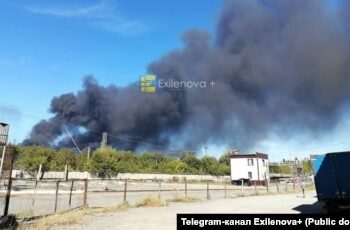
This week, Ukrainian strikes on Russian oil infrastructure remained a major development. Zelensky confirmed that Ukrainian forces had struck a refinery in Yaroslavl, roughly 700 kilometers from Ukraine. Ukrainian officials said this was part of a wider campaign against Russian oil facilities, with several refineries targeted during May. Ukraine also struck the Syzran oil refinery in Russia’s Samara region on May 21, and Reuters reported that the facility had halted operations after the attack. The Syzran strike followed other attacks on Russian refining capacity and added to evidence that Ukraine is trying to weaken Russia’s fuel production, military logistics and export revenue.
Russian energy and industrial sites also came under attack in other areas. Falling drone debris caused a fire at an oil terminal in Novorossiysk, while authorities in Russia’s Belgorod region said missile and drone strikes damaged energy infrastructure, disrupted electricity and water supplies, and killed one person while injuring another. Ukrainian attacks on Belgorod and other border regions have become more frequent, and Russia has increasingly accused Kyiv of targeting civilian infrastructure. Ukraine, for its part, argues that strikes on Russian energy and military-linked infrastructure are a justified response to Russia’s own repeated attacks on Ukrainian cities and power networks.
The impact of Ukraine’s long-range campaign appears to be forcing Moscow to adapt. Russia has moved to strengthen drone defenses around strategic and economic facilities, and new measures reportedly allow major financial institutions, including Russia’s central bank and Sberbank, to deploy defensive systems and train personnel to counter drones. The move reflects growing concern inside Russia about the vulnerability of infrastructure far from the front line, particularly as Ukrainian drones have reached facilities hundreds of kilometers from Ukraine’s border.
Diplomatically, the week brought no visible breakthrough toward peace. Russia and Ukraine remain far apart on the terms of any settlement, while Moscow continues to insist on political and territorial demands that Kyiv rejects. The Kremlin has repeatedly pushed for recognition of Russian control over occupied territories, while Ukraine insists that any peace process must respect its sovereignty and territorial integrity. The latest Russian strikes on Kyiv further hardened the atmosphere and strengthened Ukraine’s argument that Moscow is not preparing for genuine de-escalation.
Internationally, Ukraine continued to press for more military assistance, especially air defense and funding for weapons production. Kyiv expects the upcoming NATO summit to address long-term support and financing, although securing unified backing remains difficult amid political divisions among allies. The issue of air defense has become especially urgent after the latest missile attacks, with Ukrainian officials warning that existing supplies are not enough to protect cities and infrastructure from repeated large-scale barrages.
European support also remained central. Ukraine’s partners continued to discuss ways to sustain military aid, expand defense production and increase pressure on Russia through sanctions and restrictions on energy revenues. The European-financed mechanism for purchasing air defense and other weapons has become increasingly important as Ukraine seeks to cover gaps in its defenses. At the same time, debates in the United States and Europe over defense spending, NATO commitments and future security guarantees continue to shape the wider strategic environment.
Compiled by Ana Dumbadze