Kutaisi remembers through sound. Through the creak of wooden staircases after rain. Through church bells dissolving into the humid air above the Rioni. Through voices drifting from courtyards at dusk. Through the peculiar acoustics of western Georgian cities, where conversation always carried traces of theater, ritual, lamentation, and song.
The Zakaria Paliashvili House-Museum belongs to this sonic geography. Hidden within Kutaisi’s old historic fabric, in the district once associated with the city’s Catholic and European communities, the house preserves the atmosphere from which Georgian professional music emerged long before it became academic doctrine, institutional prestige, or patriotic monument.
Everything here begins with intimacy.
The future composer of Abesalom and Eteri was born in this house in 1871, inside a city that at the end of the nineteenth century functioned as one of the most culturally layered urban spaces in the Caucasus. Kutaisi absorbed merchants, priests, craftsmen, intellectuals, multilingual communities, wandering musicians, provincial aristocrats, Catholic families, revolutionary ideas, and church traditions into a single restless organism. The city possessed its own rhythm : emotionally porous, theatrical, impulsive, deeply musical.
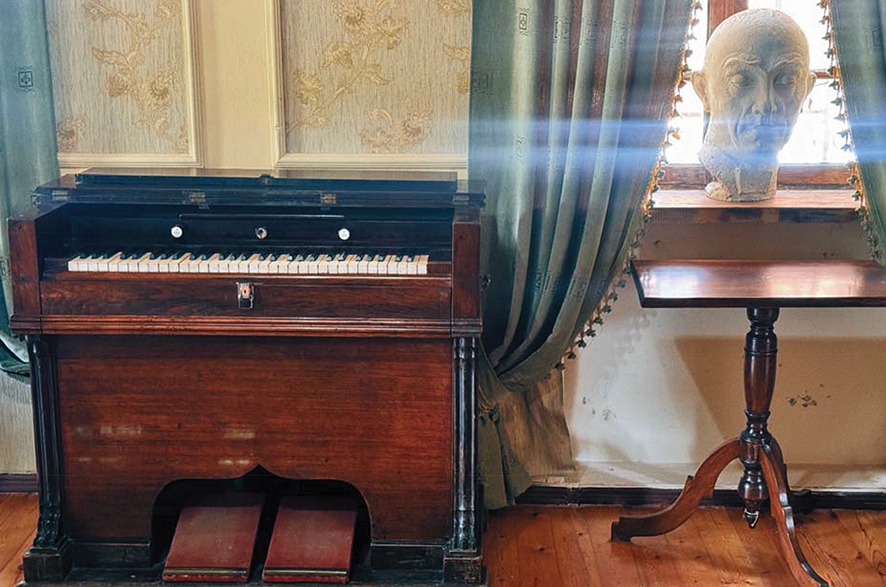
The museum today preserves manuscripts, family objects, photographs, editions of scores, archival materials, instruments, and domestic interiors associated with Paliashvili’s childhood and artistic life.
Among its most evocative objects remain the composer’s cradle, his physharmonica, church-related artifacts connected to his upbringing, and the Becker piano linked to his musical practice.
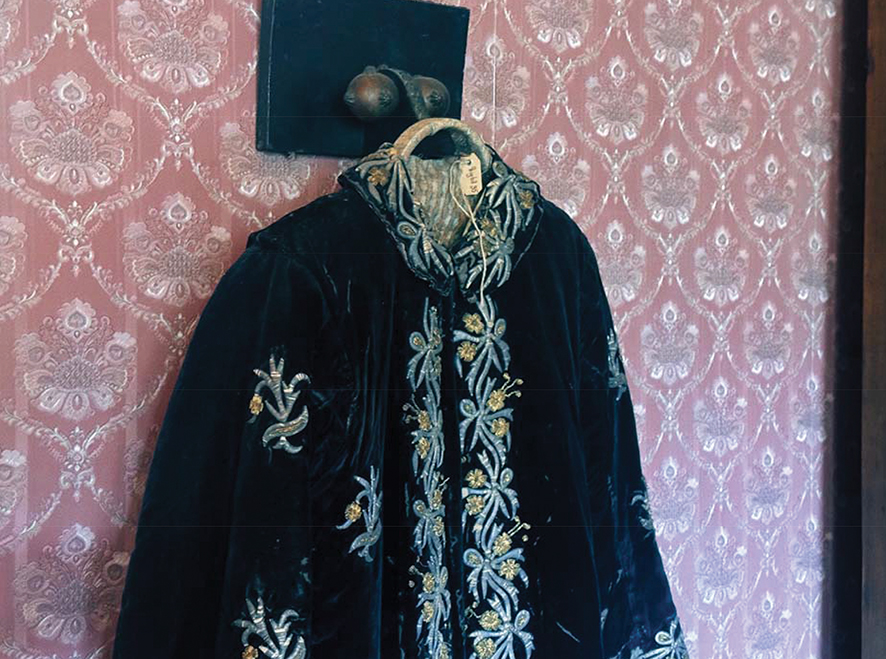
Yet the museum’s emotional center resides elsewhere: inside the strange sensation that Georgian music still lingers within these rooms as unfinished vibration. Paliashvili’s music carried within itself the acoustics of Kutaisi long before Georgian opera acquired its canonical form. His works emerged from church polyphony, folk intonation, supra songs, liturgical rhythm, urban melancholy, and the density of collective singing that shaped Georgian auditory memory for centuries. Opera in his hands became a space where oral culture entered historical duration.
This transformation remains one of the decisive moments in Georgian cultural history. European musical forms had already penetrated the Caucasus through imperial institutions, military orchestras, salons, conservatories, and aristocratic taste. Yet Paliashvili achieved something far more unstable and profound: he translated Georgian polyphonic thinking into operatic dramaturgy without dissolving its internal tension. One still hears in his harmonic language the weight of traditional multipart singing: its rough verticality, its modal friction, its almost physical density.
His operas breathe collectively. The chorus in Daisi or Abesalom and Eteri carries emotional authority equal to individual protagonists. Human voices move through these works like social memory itself. Love, betrayal, mourning, destiny; all unfold through communal sound.
Inside the Kutaisi house, this connection suddenly becomes spatially understandable. The modest scale of the museum matters. Georgian musical modernity emerged from domestic interiors, from amateur choirs, from church practice, from overheard melodies crossing courtyards and narrow streets. One senses how fragile the infrastructure of culture once was. A piano in a provincial room. A manuscript under weak light. A child listening to singing during religious feast days. The future of Georgian opera assembled itself from these seemingly incidental moments.
Kutaisi shaped this sensitivity. The city occupied a peculiar position within Georgian history: emotionally extravagant, culturally heterogeneous, historically unstable. Tbilisi cultivated administration and diplomacy; Kutaisi cultivated atmosphere. Even today the city produces a specific emotional tempo — slower, humid, theatrical, slightly melancholic, permanently haunted by memory. The Paliashvili house absorbs this atmosphere completely.
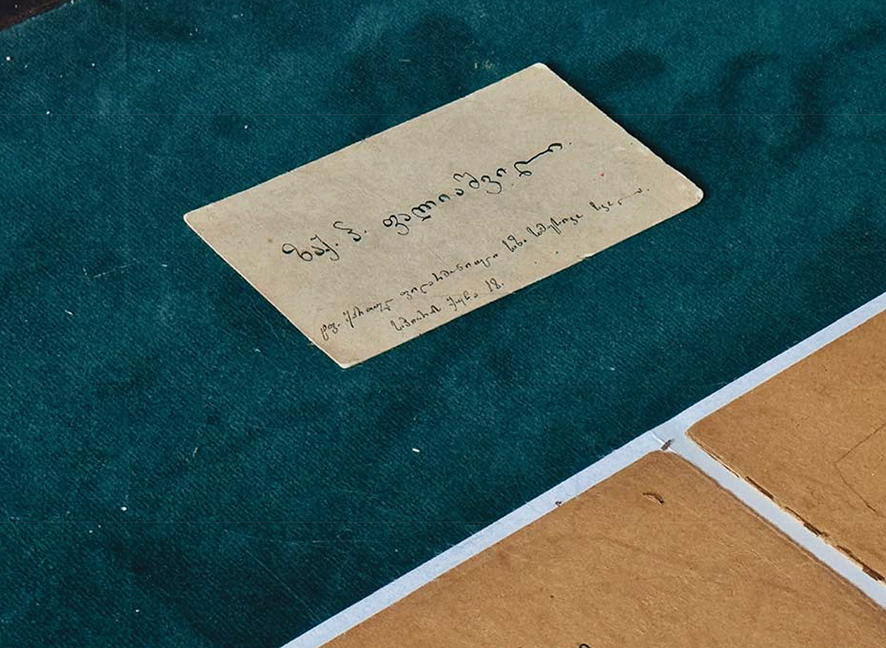
Its wooden balconies and intimate rooms preserve the texture of nineteenth-century urban life in western Georgia, where European influence, local folklore, Catholic traditions, and Georgian musical practices circulated simultaneously. Paliashvili’s own Catholic background forms part of this historical mosaic. Georgian cultural identity inside the museum appears layered, multilingual, porous, formed through intersections rather than isolation.
This complexity often disappears beneath monumental narratives about “national culture.” The twentieth century transformed Paliashvili into an official symbol of Georgian artistic achievement. Soviet cultural policy elevated him into the position of foundational composer, guardian of national musical heritage, architect of operatic canon. Institutions carried his name. His operas entered state repertoire. His image acquired ceremonial weight.
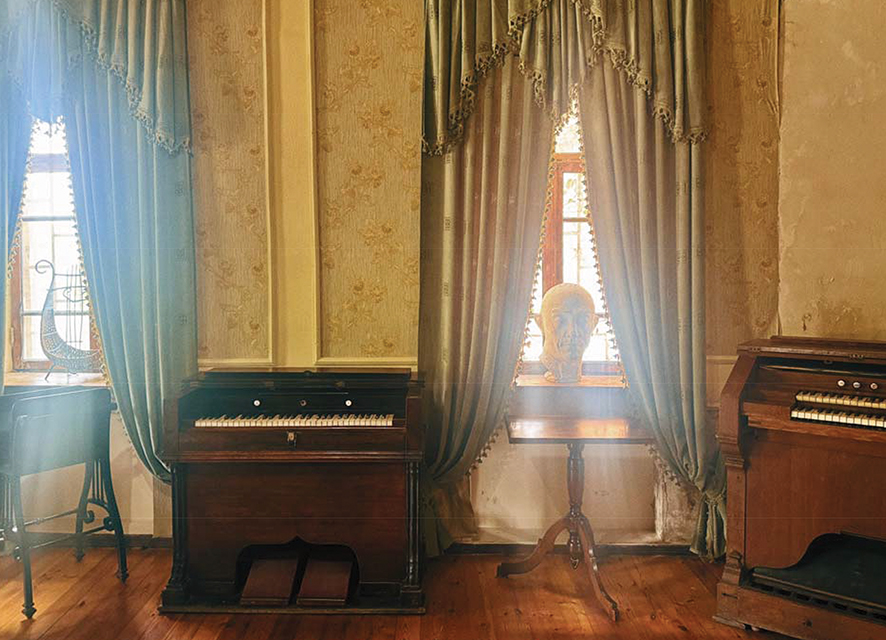
The museum in Kutaisi quietly restores human scale to this mythology. One encounters uncertainty here. Provincial life. Religious hybridity. Cultural improvisation. The nervous energy of a society attempting to invent modern artistic language from fragmented historical material. Georgian professional music emerges within the museum as a living process filled with risk, experimentation, and emotional vulnerability.
This vulnerability gives the house its extraordinary contemporary relevance. Modern cultural politics often demands simplified identities, polished narratives, export-ready heritage. The Paliashvili museum preserves another truth entirely: culture grows through contradiction, coexistence, adaptation, migration, accident, and unfinished conversation. Georgian music absorbed influences continuously while maintaining its own sonic gravity. The museum allows this process to remain visible.
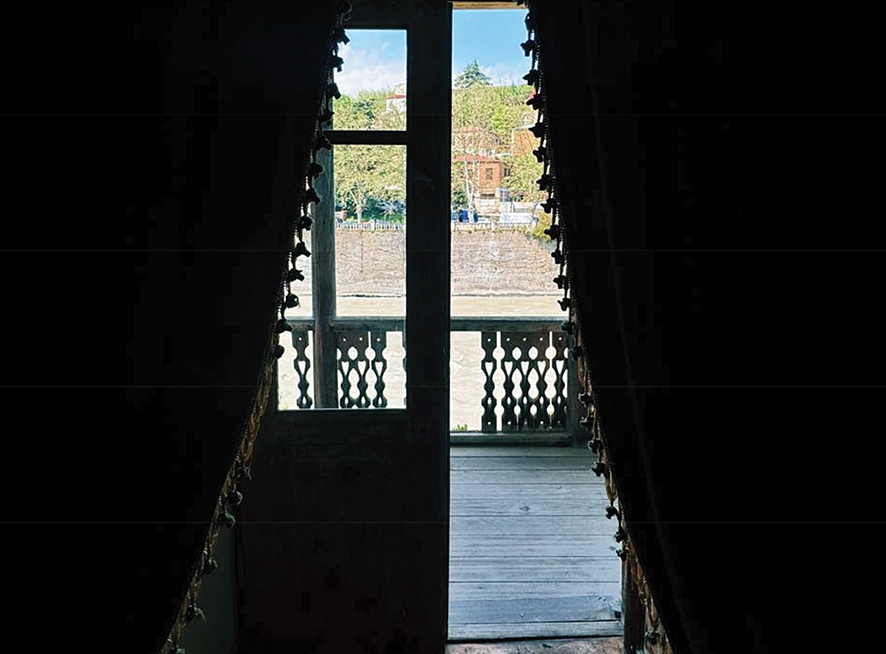
Even the silence inside the house feels acoustically charged. Visitors often speak about concerts and musical evenings still organized there today. This continuation of performance matters profoundly. Music inside the museum continues circulating through bodies and voices rather than surviving exclusively as archival memory. And perhaps this explains the peculiar emotional effect of the space. Many composer museums preserve greatness. The Kutaisi house preserves emergence.
One walks through these rooms with the sensation of standing inside the unfinished draft of Georgian modernity itself — before canonization, before institutional grandeur, before patriotic rhetoric hardened into monument. Georgian opera still exists here as breath, resonance, vibration moving through domestic space. The house remembers the moment when Georgian sound first recognized its historical future.
By Ivan Nechaev