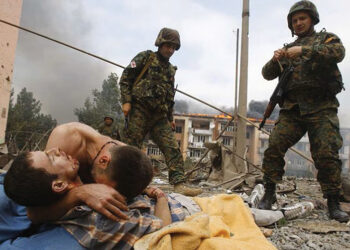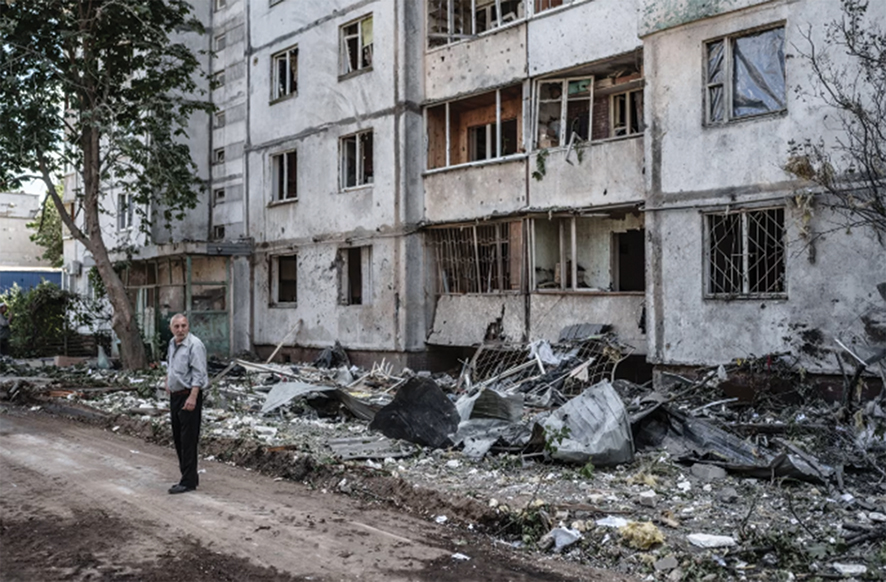
Russia stepped up pressure across several sectors of the front line this week, launching relentless assaults in eastern and southern Ukraine while continuing large-scale missile and drone attacks on Ukrainian cities.
At the same time, Kyiv pushed deeper into Russia’s economic rear, targeting oil refineries, fuel depots, and logistics infrastructure in a campaign that is increasingly disrupting domestic fuel supplies. As both sides expanded their long-range strike operations and casualties mounted, another week of war passed without a decisive breakthrough. Instead, the conflict continued to evolve into a grinding contest of endurance stretching from the trenches of Donetsk to the energy facilities of central Russia.
The heaviest fighting once again centered on Donetsk Oblast, particularly around Pokrovsk, where Russian troops pressed against Ukrainian defensive positions in an effort to widen local gains and threaten supply routes. According to Ukrainian military reports, the Pokrovsk sector remained one of the most active areas of the battlefield, with dozens of assaults recorded near Rodynske, Novooleksandrivka, Hryshyne, Kotlyne, Udachne, Shevchenko, Myrne, and Novopavlivka. Ukrainian forces said they repelled repeated attacks, but the tempo of the fighting suggests Moscow continues to view this axis as one of its principal efforts.
Further north, the Lyman and Sloviansk areas also came under sustained pressure. Russian troops attempted to break through Ukrainian defensive lines near Zarichne, Yampil, Drobysheve, Dibrova, and surrounding settlements, part of a broader effort to stretch Ukraine’s eastern defenses and force Kyiv to commit reserves across multiple sectors at once.
Around Kostiantynivka, the situation remained particularly difficult. Fighting continued near Pleshchiivka, Illinivka, Stepanivka, and on the approaches to the city itself. Ukrainian officials reported that small Russian groups had infiltrated parts of the area, though there was no confirmation of a major Russian seizure of the city. The battle matters because Kostiantynivka forms a key part of Ukraine’s defensive network in Donetsk Oblast.
Russia also intensified its long-range campaign against Ukrainian cities and infrastructure. One of the largest attacks of the week came overnight on June 14-15, when Russian forces launched a combined strike involving missiles and hundreds of drones. Ukrainian air defenses intercepted many of the incoming targets, but some ballistic missiles and drones still reached their objectives.
Kyiv was the primary target. Damage was reported across several districts, with fires breaking out, power disruptions affecting residents, and civilians among the casualties. Dnipro and Kharkiv were also struck. Ukrainian authorities said people were killed and injured, including rescue workers who died while responding to emergencies in northeastern Ukraine. The attack underscored Russia’s continued reliance on complex waves of missiles and drones designed to overwhelm air defenses and maximize disruption.
Among the sites damaged was the Kyiv-Pechersk Lavra, one of Ukraine’s most important religious and cultural landmarks and a UNESCO World Heritage site. Ukrainian officials said several buildings within the historic monastery complex were affected, drawing renewed concern over the vulnerability of the country’s cultural and spiritual heritage as the war continues to reach far beyond the front line.
The impact of Ukraine’s strikes on Russian oil infrastructure is becoming increasingly visible. Repeated attacks on refineries, pipelines, and fuel storage facilities have reportedly created growing supply problems inside Russia. In an unusual development for one of the world’s largest oil producers, Moscow has reportedly moved toward importing gasoline by sea, while fuel restrictions have appeared in some regions. Although Russia continues to earn substantial revenue from crude exports, disruptions to refining capacity are emerging as a strategic vulnerability that Kyiv appears determined to exploit.
Diplomatically, the week brought renewed discussions among Ukraine’s partners over air defense, military aid, and economic pressure on Russia. President Volodymyr Zelensky used the G7 summit to press for additional air defense systems, greater support for Ukraine’s energy infrastructure, and tougher sanctions on Moscow. Western leaders again pledged support, but Ukraine continues to face urgent shortages, particularly of advanced interceptor missiles needed to defend against Russia’s growing missile and drone campaign.
Talk of possible negotiations also resurfaced, though there was little sign of a genuine diplomatic breakthrough. Ukraine has repeatedly said it is ready for a leader-level meeting if Russia is serious about ending the war, while Moscow continues to pursue battlefield pressure and maintain demands that Kyiv considers unacceptable. The contrast between diplomacy and reality remained stark: while international leaders spoke of peace, missiles continued to strike cities and fighting raged across hundreds of kilometers of front line.
Compiled by Ana Dumbadze