Can you name, without googling, the national bird of Georgia? Hint: it’s a game bird. Another hint: it’s one of two animals supposedly shot by an arrow fired by King Vakhtang Gorgasali, the other being a deer. The wounded animal fell into hot water in the area of what became the hot spring-fed public baths of Tbilisi, named for the word “warm” (tbili); and emerged healed. That’s right, Georgia’s national bird is the common pheasant.
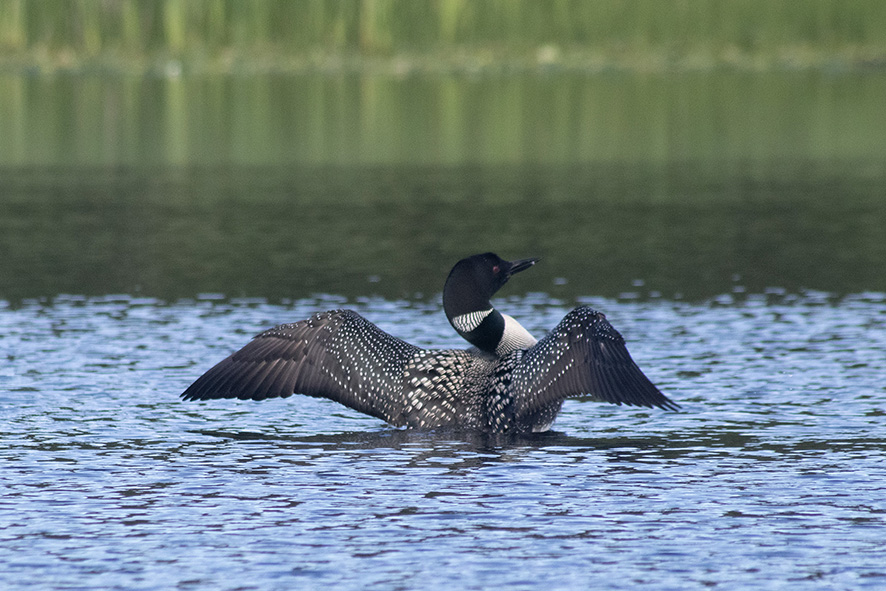
Canada’s national bird USED to be the common loon. But it was recently replaced by a less spectacular looking and sounding bird, also one present in all provinces and territories of the country year-round, likely thus the change: the gray jay, also called the whiskey jack (from the Cree name for it, wisakedjak). I mourn the change a bit, but it does nothing to lessen my deep affection for the beautiful loon, which still appears on our 1-dollar coins, nicknamed “loonies”.
Loons, along with barn owls, secretary birds and hoopoes (another bird found in Georgia as well as elsewhere), are my favorite birds. Why? I don’t know. I’m sure you have other favorite birds. That’s okay.
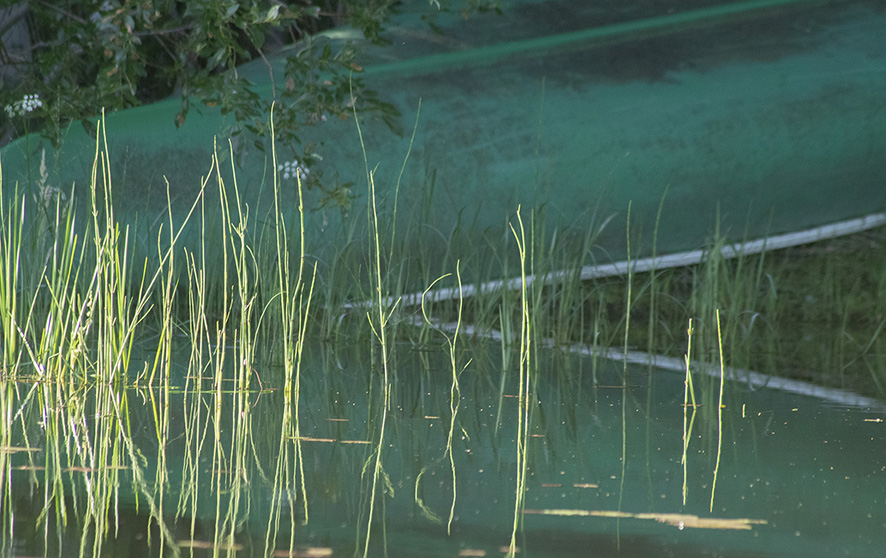
Not only are loons beautiful in form and plumage, as my photos will show; they also have a haunting cry, especially when you hear them at night, echoing across lake water which is their primary home. See and hear them on YouTube. They can hardly walk on land at all, with legs very far back on the body, and move best as swimmers.

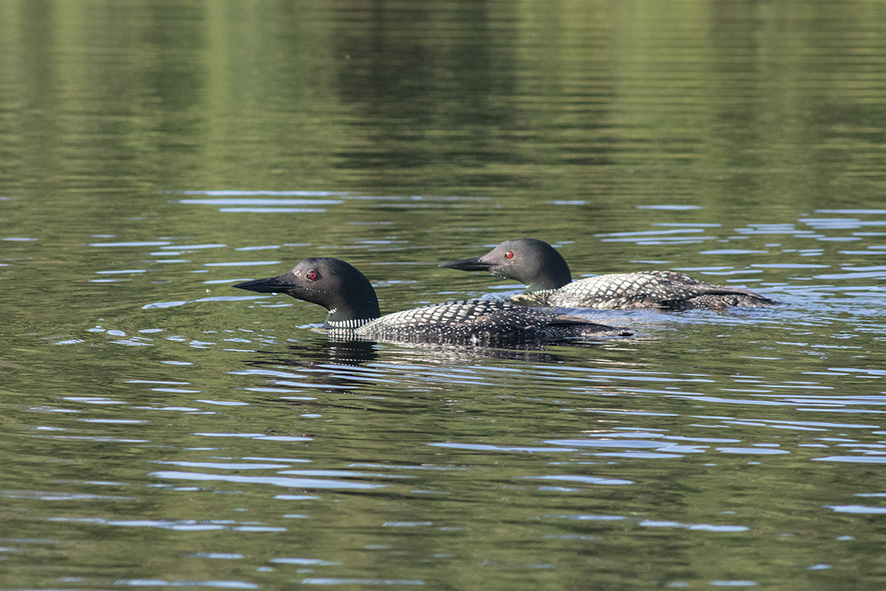
Although Spring Lake, where I based myself on this Canada trip, has a pair or two of loons, I didn’t manage to see them this time, despite having a 150-600mm lens. Where I did see them a bit was outside Thundar Bay, on a pond in Whitecourt, and especially from a canoe on Glory Lake, just before I left. All my best photos are from this occasion.

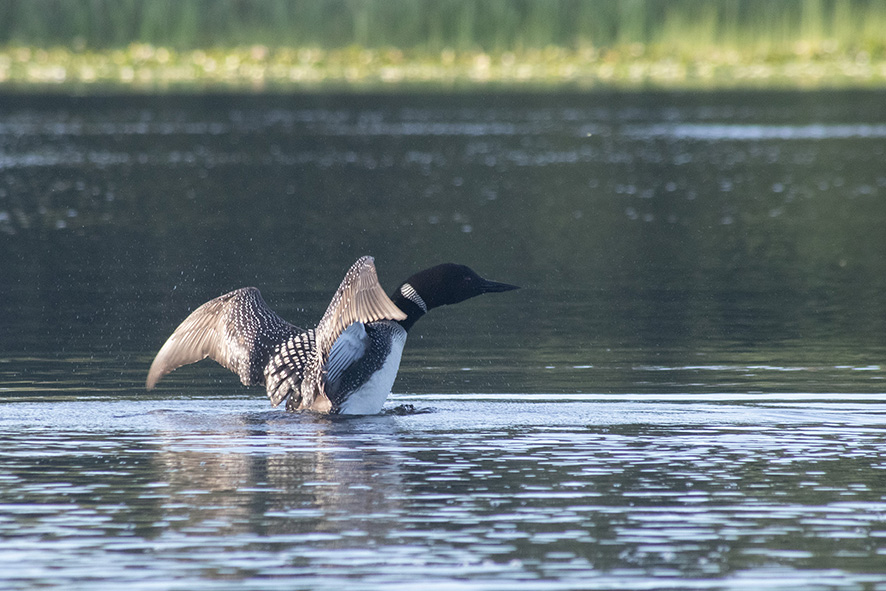
Loons will rise up from the water’s surface and flap their wings after preening so as to distribute the vital oils they secrete which help them waterproof their feathers. Capturing these flaps makes for an exciting encounter. I was the closest I’ve ever been to the birds, and my 70-300mm lens, was plenty close enough; the longer lens, far heavier, is best used on a tripod, and not on a canoe.
For me, seeing and hearing such magnificent creatures is always a spiritual experience, day or night. I suppose I will continue seeking and photographing them my whole life, especially given that my chosen country of residence does not feature them, making them a rare sight for me. I hope that you, dear reader, have the opportunity to find them in the wild, as I have.
Secretary birds in Georgia? No, they’re strictly sub-Saharan African in distribution. Barn owls? Just a second while I google their territory: YES! In the western part of the country, though more south than my mountain Svaneti, more in the lowlands. Now I need to start seeking them out too, to get my first ever photos of these birds for my collection. Note to self: outside the UK, Western Barn Owls are nocturnal hunters: so I’ll have to adapt my schedule and lighting accordingly. I can do that, once I set aside the time and commit myself. Worth it? Sure. Ditto for hoopoes…
Blog by Tony Hanmer
Tony Hanmer has lived in Georgia since 1999, in Svaneti since 2007, and been a weekly writer and photographer for GT since early 2011. He runs the “Svaneti Renaissance” Facebook group, now with over 2000 members, at www.facebook.com/groups/SvanetiRenaissance/
He and his wife also run their own guest house in Etseri: www.facebook.com/hanmer.house.svaneti