Why is occupational health, safety, and environmental management becoming increasingly important in modern society? Why are governments, industries, and educational institutions placing greater emphasis on workplace safety, environmental responsibility, and sustainable development?
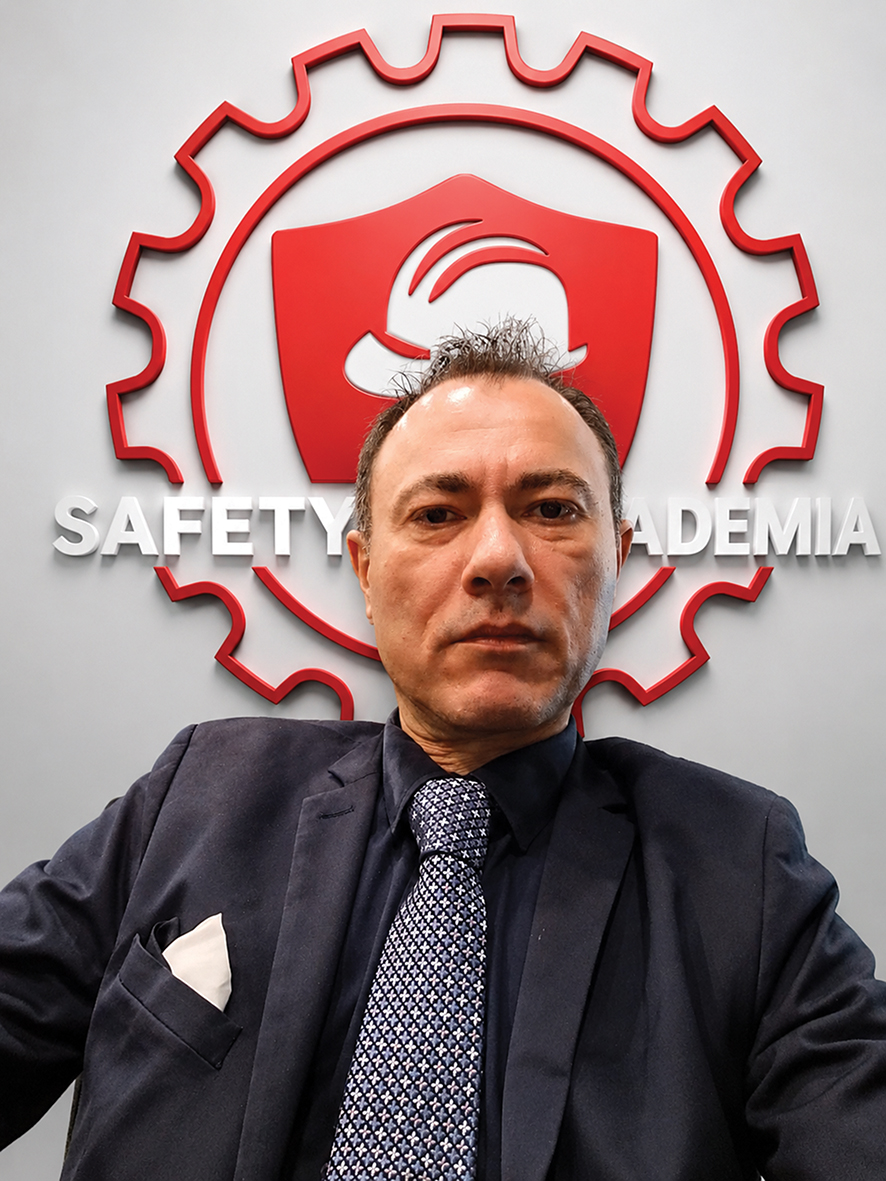
My name is George Simonishvili, and I am currently enrolled in the Professional Educational Program in Occupational Health, Safety and Environmental Management at Safety Academia Vocational College in Tbilisi, Georgia. Through my studies, I have come to understand that occupational safety is not simply a legal requirement it is a fundamental pillar of responsible economic development, social wellbeing, and human dignity.
I would like to formally express my sincere gratitude for the exceptional education, mentorship, and practical training I have received during my studies at Safety Academia Vocational College. The rigorous and practice-oriented educational programme has significantly strengthened my professional knowledge, analytical thinking, and practical competencies in the fields of occupational health, workplace safety, and environmental management.
What makes professional education truly valuable in today’s rapidly changing world? In my opinion, it is the ability to combine theoretical knowledge with practical competencies that can be directly applied in real working environments. One of the strongest aspects of the programme is its balanced integration of academic instruction with practical application. Through practical exercises, simulations, case studies, and interaction with experienced industry professionals, students are encouraged to think critically, solve problems effectively, and apply safety principles in realistic professional situations.
Why is practical experience so important in vocational education? Because modern industries require professionals who are not only knowledgeable, but also capable of responding to real operational challenges. The educational approach at Safety Academia helps students develop professional responsibility, communication skills, leadership abilities, and confidence necessary for successful integration into the labour market.
Who should guide the next generation of occupational safety professionals? The lecturers and trainers at Safety Academia possess substantial professional and industry experience, which greatly enhances the quality and relevance of the educational process. Their dedication and commitment create a supportive learning environment where students are motivated to grow both professionally and personally.
Why Does Environment, Health, and Safety (EHS) Matter?
Why should EHS be considered a national priority, especially for developing countries such as Georgia?
Environment, Health, and Safety (EHS) represents far more than workplace regulations and compliance procedures. It is a comprehensive system designed to protect employees, communities, and the environment while supporting sustainable economic growth and long-term social stability.
EHS includes:
Workplace safety and accident prevention
Occupational health protection
Environmental responsibility and sustainability
Risk assessment and hazard management
Development of safe and healthy working environments
In many developed countries, strong EHS systems are already deeply integrated into industrial operations, legislation, and organizational culture. However, in developing economies, occupational safety systems and environmental protections are still evolving. This makes investment in EHS education, awareness, and implementation even more important.
Why is EHS Important for Georgia?
1. Protecting Workers and Saving Lives
Why should workplace safety matter to every country? Because every worker deserves to return home safely at the end of the day. In industries such as construction, mining, manufacturing, transportation, and energy — all of which play a significant role in Georgia’s economy — workplace hazards can result in serious injuries, occupational illnesses, or fatalities.
By strengthening EHS systems and investing in qualified professionals, Georgia can significantly reduce workplace accidents and minimize the long-term human, social, and financial costs associated with occupational incidents.
2. Supporting Economic Development
Can sustainable economic growth exist without safe and healthy workplaces? Modern economies depend on productive, skilled, and protected workers. Workplace accidents and occupational diseases negatively affect productivity, increase healthcare costs, and create financial and legal risks for businesses.
For Georgia to attract international investment and strengthen its competitiveness, organizations must demonstrate compliance with internationally recognized safety standards. Strong EHS systems contribute directly to institutional credibility, operational efficiency, and investor confidence.
3. Protecting the Environment and Future Generations
Can economic growth be sustainable without environmental responsibility? As Georgia continues to develop industrially and economically, environmental challenges such as pollution, waste generation, and resource depletion become increasingly important.
EHS frameworks help balance economic development with environmental protection. Clean air, safe water resources, and preservation of natural ecosystems are essential not only for public health, but also for sectors such as tourism, agriculture, and sustainable regional development.
4. Aligning with International and European Standards
Why is alignment with global standards important for Georgia’s future? Today, international companies and global supply chains increasingly require compliance with strict occupational safety and environmental standards. Georgian businesses seeking international partnerships, exports, or cooperation with multinational organizations must demonstrate effective EHS management systems.
By strengthening occupational safety culture and adopting international standards early, Georgia can position itself as a reliable and competitive partner within global markets.
5. Promoting Human Dignity and Social Responsibility
Is occupational safety only a legal obligation? I strongly believe that EHS is fundamentally connected to human rights, dignity, and social responsibility. Every individual has the right to work in a safe and healthy environment.
Organizations and governments that prioritize workplace safety do more than prevent accidents — they contribute to stronger communities, healthier societies, and long-term national development.
The Role of Education in Building a Safer Future
Who will lead the future development of occupational safety systems in Georgia? Educational institutions and vocational programs play a critical role in preparing qualified specialists capable of responding to modern labor market demands and implementing effective safety practices.
Safety Academia Vocational College contributes significantly to this mission by preparing competent professionals equipped with both theoretical knowledge and practical skills aligned with modern international standards.
I am proud to be part of Safety Academia Vocational College and grateful for the opportunity to receive high-quality vocational education that prepares students for real professional challenges and responsible leadership within the field of occupational health, safety, and environmental management.
I am confident that the knowledge, practical experience, and professional values acquired during my studies will contribute significantly to my future career and to the continued development of occupational safety culture in Georgia and beyond.
Finally, I would like to extend my sincere appreciation to the administration, academic staff, trainers, technical support team, and fellow students of Safety Academia Vocational College for their professionalism, dedication, and continuous support throughout this educational journey.
Safety Academia Vocational College
Address: Ana Politkovskaia Street N14, Tbilisi, 0186, Georgia
Contact Number: +995 577 04 48 04
www.safetyacademia.edu.ge
info@safetyacademia.edu.ge
Blog by George SIMONISHVILI, Student at Safety Academia Vocational College