Israel has intensified military operations in southern Lebanon, carrying out one of the deadliest waves of strikes since the US-brokered ceasefire took effect earlier this month, while continuing efforts to establish a de facto buffer zone along the border.
Lebanon’s health authorities say at least 14 people, including civilians, were killed and dozens injured in Israeli airstrikes on April 26, marking the most severe escalation since the truce began on April 16.
The Israeli military has simultaneously issued evacuation warnings to residents in multiple towns north of the Litani River, effectively expanding the area it considers a security perimeter. Israeli officials say the measures are aimed at preventing attacks by Hezbollah and ensuring long-term border security.
In practice, this strategy mirrors tactics previously seen in Gaza — the systematic destruction of infrastructure and depopulation of areas near the border to create a controlled buffer zone. While Israel maintains that strikes are targeting Hezbollah positions, Lebanese officials and humanitarian groups report that civilian infrastructure and residential areas have also been hit.
The ceasefire, originally intended as a temporary pause, is increasingly fragile. Both Israel and Hezbollah accuse each other of repeated violations, and hostilities have continued at a lower but steady intensity. Hezbollah has stated it will maintain attacks as long as Israeli forces remain active inside Lebanese territory.
Since the escalation began in March, more than 2,500 people have reportedly been killed in Lebanon, including civilians and medical personnel, highlighting the growing humanitarian toll of the conflict.
With Israeli troops still operating inside southern Lebanon and evacuation zones expanding, the situation suggests a shift from temporary military operations toward a longer-term territorial security strategy — raising concerns about further regional destabilization.
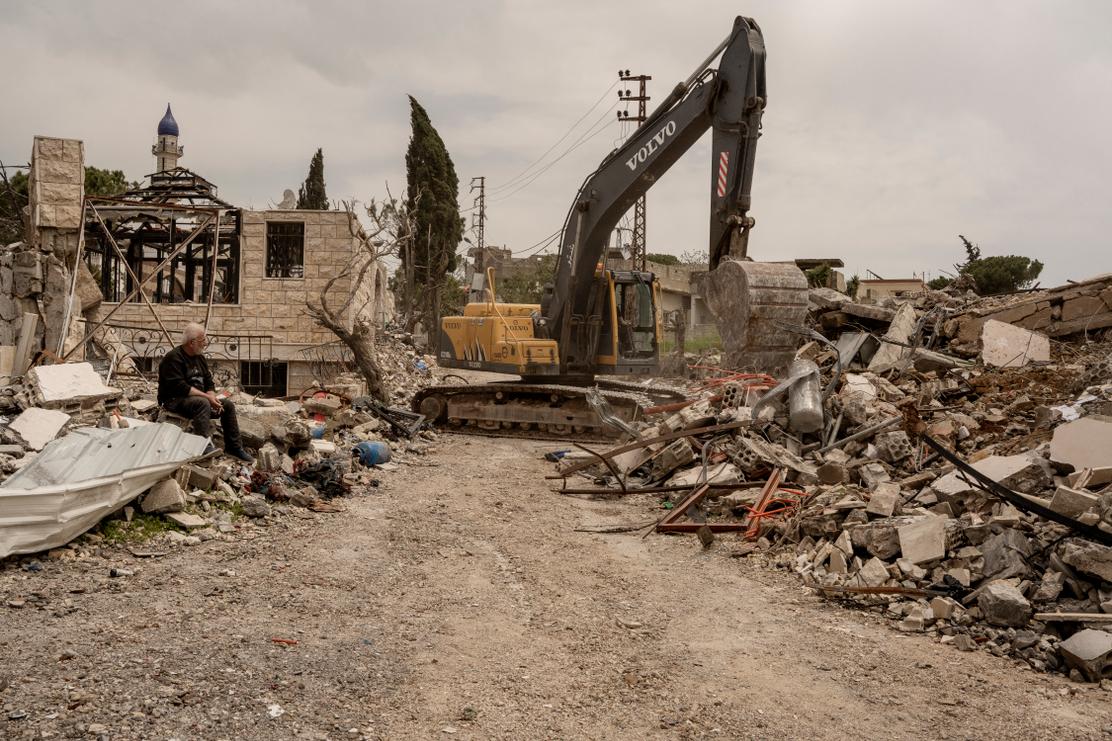
Header image: A man who lost two of his sons searches for the body of one of them in the rubble, the day after the cease-fire took effect, in Arnoun, Lebanon, on April 17, 2026. ADRIENNE SURPRENANT/MYOP FOR LE MONDE