
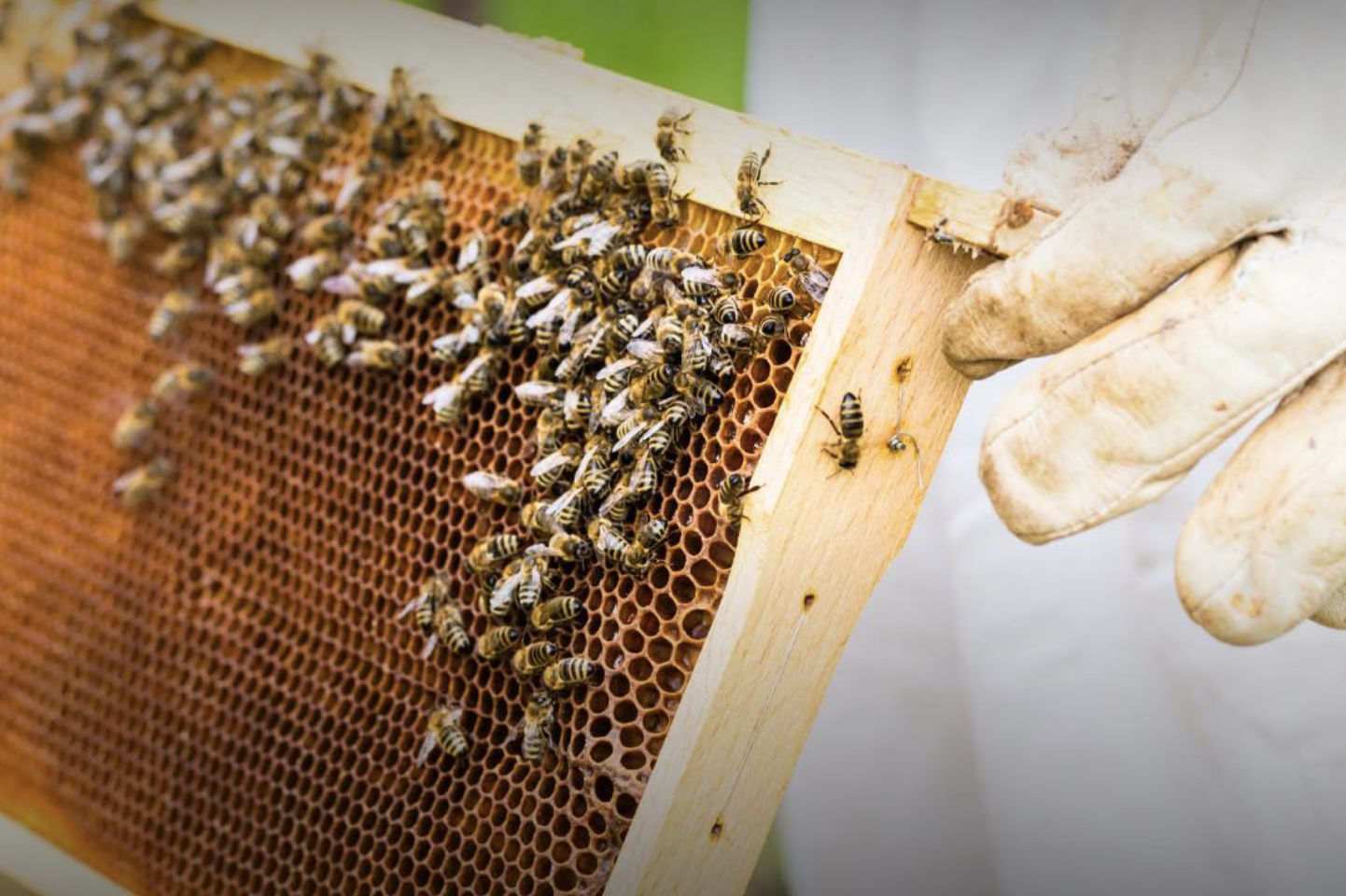
Georgia’s National Food Agency has issued recommendations to beekeepers following prolonged rainfall and low temperatures across the country, warning that adverse weather conditions have created a stressful environment for bee colonies and weakened their immunity.
The agency said laboratory tests conducted on samples collected through its monitoring program did not confirm the presence of infectious diseases, including American and European foulbrood.
To maintain the health of bee colonies, the agency advised beekeepers to improve hive ventilation and thermal insulation, particularly for weaker colonies, to reduce temperature fluctuations inside hives.
Other recommendations include drying and, if necessary, thermally treating hives, relocating apiaries from humid and shaded areas, placing hives 25–50 centimeters above ground level, removing unnecessary empty frames from weak colonies, and replacing queen bees with younger and more productive queens.
The agency also urged beekeepers to closely monitor food supplies and water quality and to carry out timely treatment against mites.
It noted that difficult spring weather conditions have created food shortages that could negatively affect bee development. As a result, the agency recommends providing colonies with additional protein and carbohydrate feed and using biological products, including probiotics, to strengthen bees’ immune systems.
The National Food Agency called on beekeepers to systematically monitor their colonies and immediately report any signs of disease or infestation.