Tensions surrounding the Iran war escalated further this week as diplomatic efforts stalled, military threats intensified and global oil markets reacted sharply to the prospect of a prolonged confrontation.
US President Donald Trump said negotiations with Iran have “come a long way,” but acknowledged that progress has slowed, with talks now taking place by phone rather than through in-person meetings. He noted that US negotiators are no longer making long trips to Pakistan for face-to-face discussions, describing the previous format as inefficient. At the same time, Trump struck a more forceful tone, warning Tehran to “get smart soon” and reiterating that any agreement would depend on Iran abandoning its nuclear ambitions.
The diplomatic deadlock comes alongside rising military tensions in the Persian Gulf. Iran’s Navy Commander, Shahram Irani, warned that Tehran would take “swift action” if US forces move towards the Strait of Hormuz, a critical global shipping route. Iranian officials said the country has already taken steps to restrict access from the Arabian Sea side and cautioned that continued US pressure could trigger a significantly stronger response.
At the same time, the United States is maintaining a naval blockade on Iranian ports, a measure Washington argues is proving effective. US Central Command said dozens of commercial vessels have been redirected, preventing tens of millions of barrels of Iranian oil from reaching global markets. Iranian officials, however, dismissed the strategy, saying it has failed to disrupt production and instead contributed to rising global prices.
The economic impact is already visible. Oil prices surged to their highest level in more than four years, with Brent crude jumping to around $120 per barrel. The spike reflects growing concerns that the conflict could drag on and further disrupt supply, particularly if access to the Strait of Hormuz remains restricted. Trump has indicated that the blockade could last for months if necessary, arguing that it is a more effective tool than direct military strikes and can be managed in a way that limits the impact on American consumers.
The war is also becoming increasingly costly for Washington. A Pentagon official told US Congress that the conflict has already cost approximately $25 billion, with most of the spending directed towards munitions. The figure comes as lawmakers approach a potential deadline to approve continued military engagement, raising questions about the sustainability and political support for the operation.
US Defense Secretary Pete Hegseth addressed Congress this week, acknowledging that one of the most controversial incidents of the war remains under investigation. He referred to a strike early in the conflict that hit an Iranian girls’ school, killing around 170 people, most of them children. Hegseth described the incident as “unfortunate” and said a full inquiry is ongoing, underscoring the broader concerns over civilian casualties and the humanitarian cost of the war.
Beyond Iran, the conflict continues to spill across the wider region. Israeli strikes in southern Lebanon killed more than a dozen people this week, including three women in an attack on the town of Tayr Debba. The escalation highlights the fragile and interconnected nature of regional tensions, with multiple fronts at risk of intensifying simultaneously.
In another development, the Global Sumud Flotilla reported losing communication with 11 aid boats heading towards Gaza after they were surrounded by Israeli military vessels in international waters. The group accused Israeli forces of threatening to intercept the ships, raising concerns about the safety of the crews and the potential for further escalation at sea.
Despite the mounting tensions, diplomatic channels remain open, albeit in a limited form. Trump confirmed that he recently spoke by phone with Russian President Vladimir Putin, who warned of “damaging consequences” if the United States and Israel resume or expand their military campaign against Iran. The call reflects continued international concern over the risk of the conflict widening further and destabilizing global energy markets.
Overall, the situation remains highly volatile. While both Washington and Tehran signal a willingness to continue talks, neither side appears ready to make the concessions necessary for a breakthrough. Meanwhile, military posturing, economic pressure and regional spillover are driving the conflict into a more dangerous phase, with the potential for prolonged disruption not only in the Middle East but across global markets.
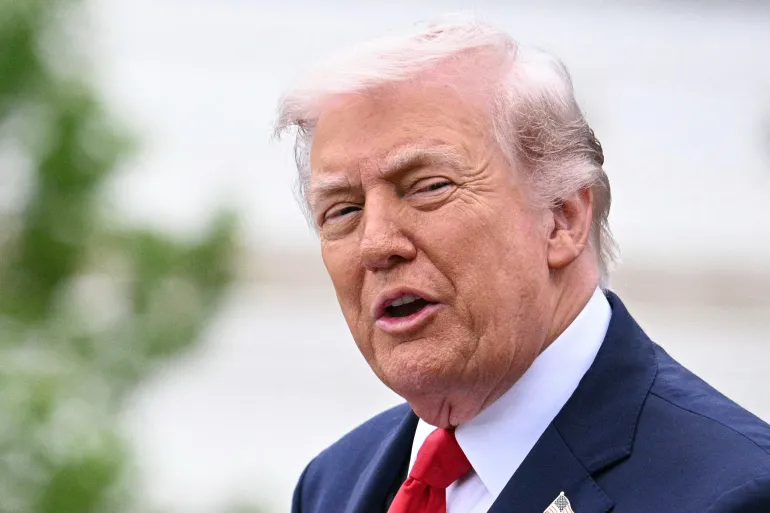
Header image: Donald Trump speaks during an arrival ceremony on the South Lawn of the White House, on April 28, 2026. Photo by Jim Watson/AFP