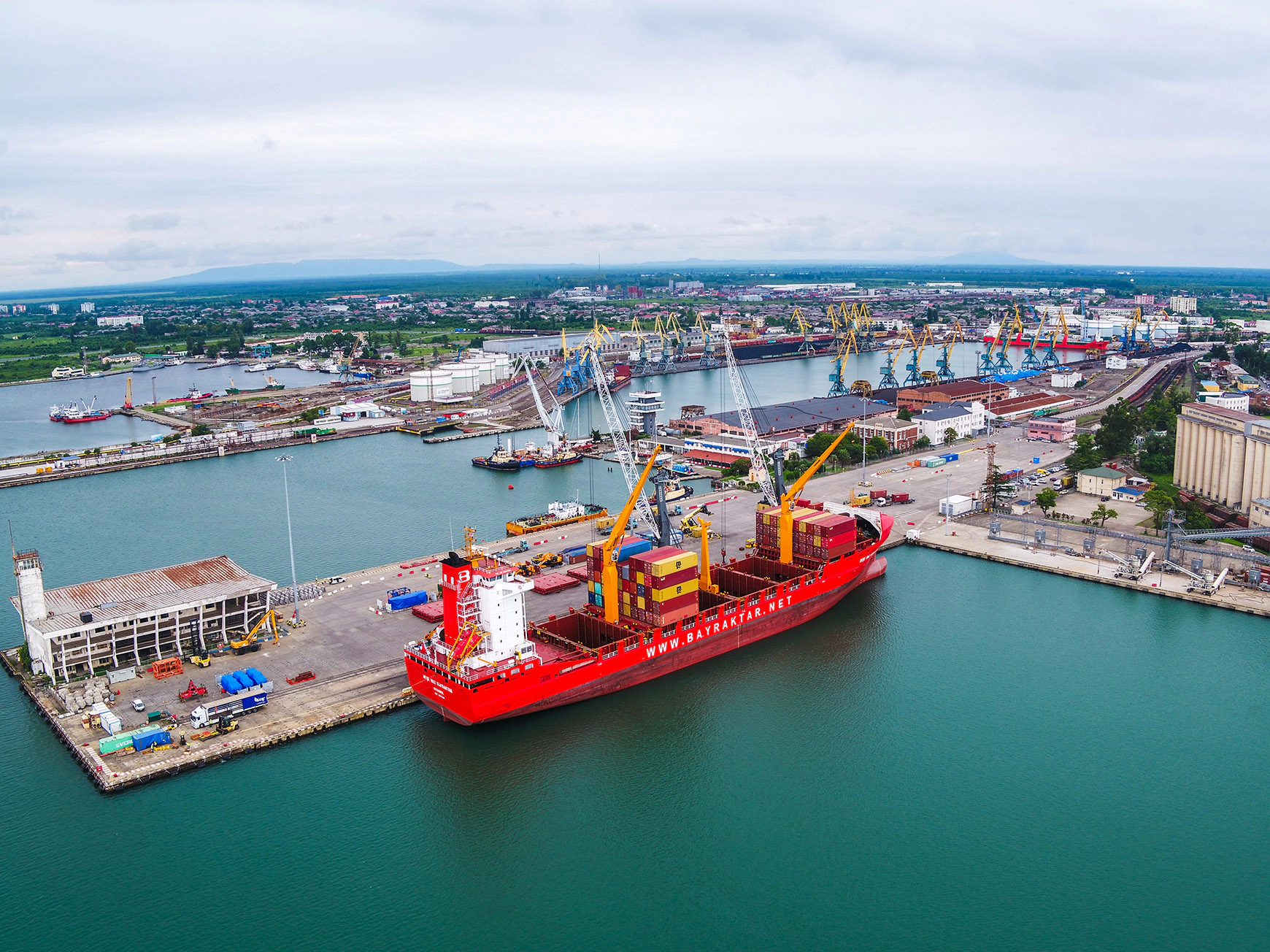
The city of Poti, with its maritime infrastructure and geographic location, is one of Georgia’s key strategic economic hubs, the study published by Transparency International Georgia states.
The report, titled Who owns Poti’s strategic wealth, says the city’s port infrastructure, terminals and free industrial zone make it a “cornerstone of the international logistics chain and economic security.”
It examines ownership and influence across Poti’s key economic sectors using publicly available data, aiming to identify who controls strategic assets and how business ties intersect with political influence.
The study says strategic sectors in Poti are concentrated among several influential groups and outlines trends it describes as systemic.
‘Signs of systemic corruption’
The report claims access to state resources has enabled “privileged groups,” saying some companies receive benefits in exchange for political donations, including extended licenses and tax-related advantages.
It also alleges that political loyalty plays a role in business operations in Poti, with companies adjusting political support depending on which party is in power. It cites total political donations of 5,396,370 GEL.
Georgian Dream, its satellite party “People’s Power” and their supported presidential candidate Salome Zurabishvili received 4,671,980 GEL of this total, while the United National Movement also received donations when it was in government, report says.
Russian and offshore links
The study states Russian interests are visible in Poti, referring to ownership structures involving Russian citizens, dual nationals and companies registered in offshore jurisdictions including Cyprus, Gibraltar and the Virgin Islands.
It adds that offshore structures complicate the identification of beneficial owners and limit transparency in strategic sectors.
The report also identifies interconnected business networks in fishing, logistics and port operations, describing oligopoly-type structures involving multiple family and corporate groups.
Political and former officials in business
The document says former and current officials are directly involved in strategic sectors, arguing that business success is often linked to political loyalty.
It names several political figures and former officials, including MPs and former mayors, as being connected to companies operating in logistics, energy, shipping, food production and related sectors.
The study also highlights ownership links in maritime infrastructure and terminals, saying access to state assets is often tied to political influence.
Fishing sector and licenses
The report says five companies hold strategic fishing licenses in the Black Sea and that many owners are political donors.
It claims fishing licenses were extended without auction until 2036 and that representatives of licensed companies donated 1,488,100 GEL in political contributions, including 1,282,000 GEL to the ruling party.
Ports, terminals and infrastructure
The study says key port and terminal operators in Poti are linked to donor companies and politically connected business groups.
It also highlights land allocations and long-term lease agreements, including state decisions granting access to seabed areas for extended periods at symbolic prices.
Offshore ownership structures
The report details several companies operating in Poti’s port and logistics sector with offshore or foreign ownership structures, including entities registered in Gibraltar, the Virgin Islands and other jurisdictions.
It says some firms have links to Russian companies or individuals, while others are connected to international investors and complex corporate networks.
State procurement and construction sector
The final groups identified in the study include large Georgian corporations and construction companies active in public procurement.
The report says many firms in this segment depend heavily on state contracts and government tenders for their operations.