Diplomatic efforts between the United States and Iran appear to have entered a difficult phase this week, as negotiations over Tehran’s nuclear program show little sign of progress while conflicts across the Middle East continue to complicate the political landscape.
The main obstacle remains Iran’s uranium enrichment program. Washington continues to push for significant restrictions on Iran’s nuclear activities, while Tehran insists that retaining the ability to enrich uranium on its own territory is a sovereign right that cannot be compromised. Disagreements over the future of Iran’s enriched uranium stockpiles and the duration of any potential limitations have reportedly prevented negotiators from reaching a breakthrough.
At the same time, regional tensions have further strained prospects for diplomacy. Iranian officials have signaled growing frustration with ongoing conflicts involving Israel, particularly in Lebanon and Gaza, and have suggested that meaningful progress in talks with Washington will be difficult while military operations continue. Reports indicate that Tehran has suspended indirect exchanges with US negotiators through mediators, raising concerns that the diplomatic process could lose momentum altogether.
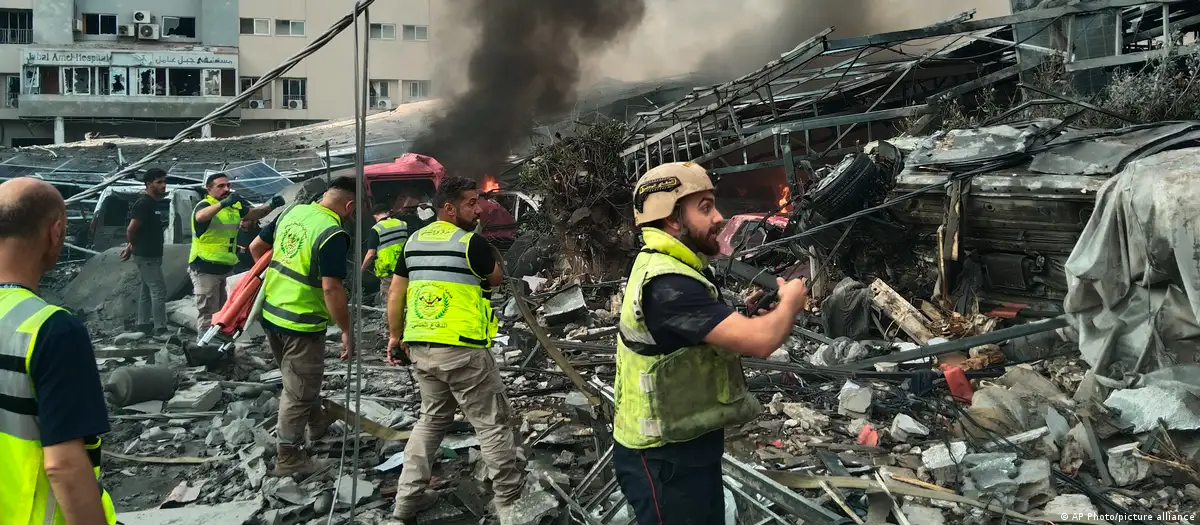
The situation in Lebanon has become an additional source of instability. Fighting between Israel and Hezbollah has intensified in recent weeks despite international efforts to secure a ceasefire. The United States has reportedly presented new proposals aimed at reducing hostilities, while Lebanese officials have indicated that Hezbollah could be prepared to commit to a full ceasefire if Israel agrees to do the same. However, continuing exchanges of fire and deep mistrust between the parties have so far prevented any significant progress.
Meanwhile, the war in Gaza continues to cast a shadow over regional diplomacy. Negotiations aimed at extending ceasefire arrangements and securing further hostage releases remain deadlocked, while violence on the ground has persisted. Palestinian health authorities have reported additional casualties from Israeli strikes, underscoring the fragile security situation and the difficulty of advancing broader diplomatic initiatives.
Iran has increasingly linked the future of its engagement with the United States to developments elsewhere in the region. Iranian leaders argue that any lasting reduction in tensions must address not only nuclear issues but also the conflicts involving Israel and its regional adversaries. Tehran has warned that continued escalation could further undermine the prospects for dialogue and regional stability.
Although communication channels between the United States and Iran remain open, the overall outlook has become more uncertain. With nuclear negotiations facing significant obstacles and regional conflicts continuing to intensify, hopes for a near-term diplomatic breakthrough appear to be fading. Unless tensions in Lebanon and Gaza ease and negotiators find common ground on key nuclear issues, the current stalemate is likely to persist in the weeks ahead.
Header image: Hostilities in Lebanon look to be continuing after US President Donald Trump said Israel and Hezbollah agreed indirectly that “all shooting will stop”
AP Photo/picture alliance