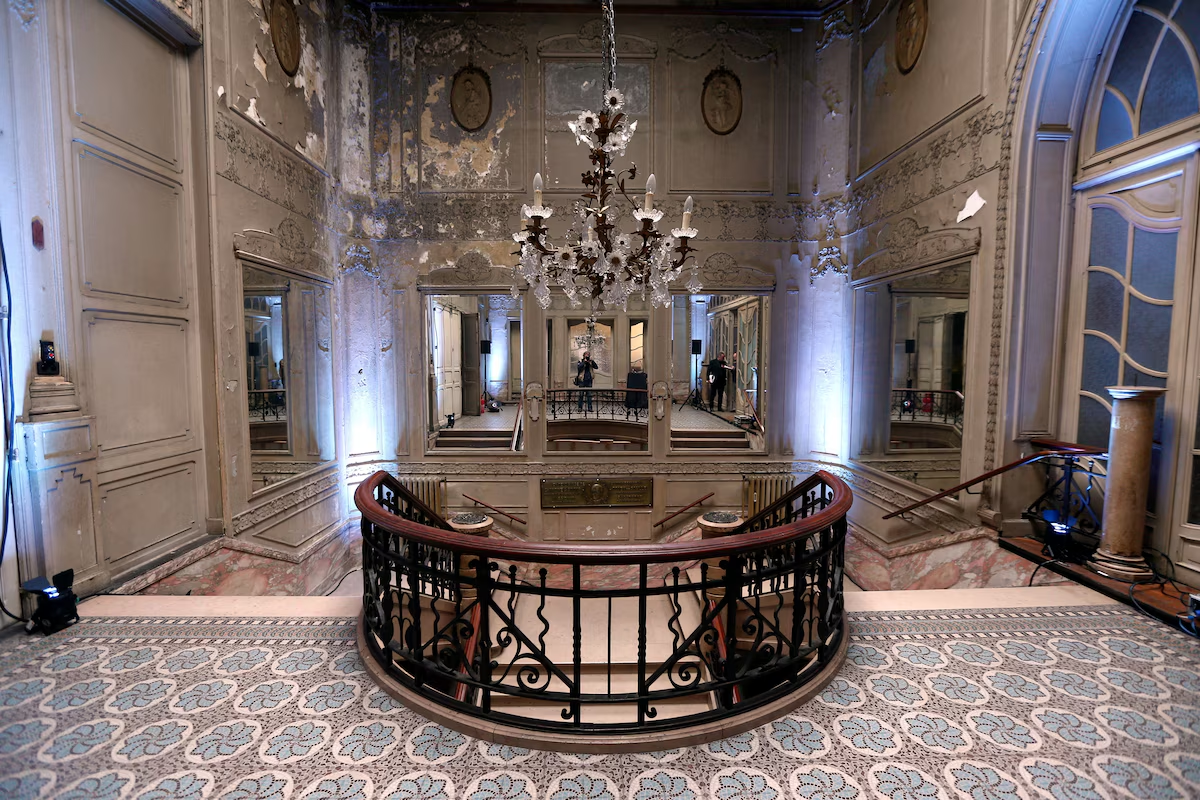
The historic ‘Aegidium’ building in the Saint-Gilles district of Brussels, which has been closed for years, has been transferred to the ownership of the Khazaradze Foundation and will be redeveloped into a Georgian cultural and multifunctional space.
The initiative, described as the first permanent Georgian public and cultural centre in the political capital of Europe, aims to restore the building’s historical function and create a venue for cultural, educational and high-level events.
Under the project, the 19th-century heritage building, formerly known as the ‘Diamond Palace’, will be renovated with its original architectural form restored, while new spaces will be created for exhibitions, forums and public gatherings.
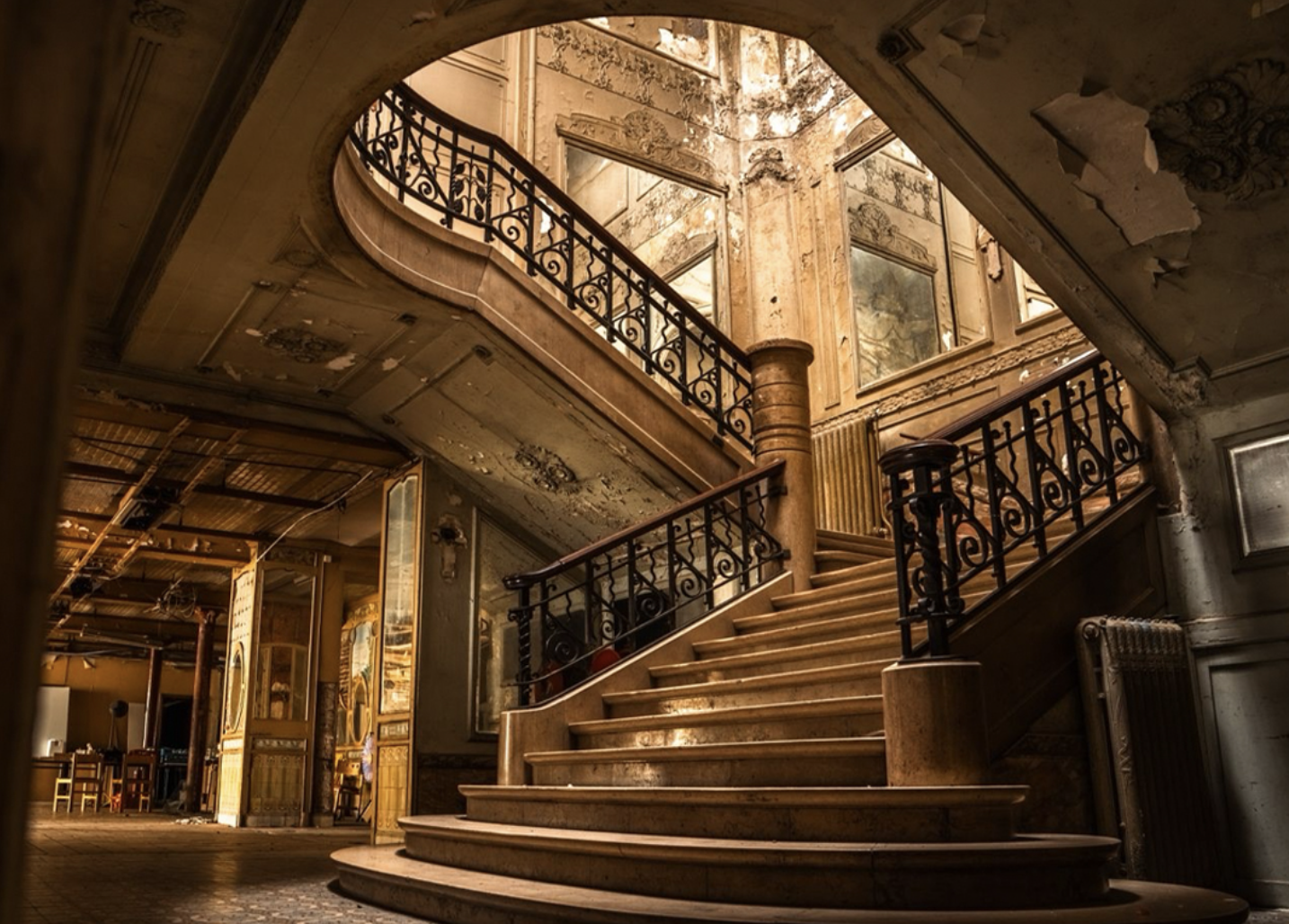
“‘Aegidium’ is a place full of history and emotions. Our desire is to restore it in a way that preserves its original spirit,” Mamuka Khazaradze told La DH.
The Khazaradze Foundation for Culture says that the centre is intended to serve as a “Georgian House in Europe,” strengthening cultural, social and economic ties between Georgia and the European Union and supporting engagement with the Georgian diaspora.
The project statement says the centre will highlight Georgia’s European identity and historical links with Europe, noting that the space is symbolically associated with Georgian cultural activity in the early 20th century, including events organised by Barbara Kipiani, granddaughter of Georgian public figure Dimitri Kipiani.
“The Aegidium will become a space that tightly connects Georgia with Europe – its historical family. Georgia will gather here with all its heritage, traditions, history, culture and polyphonic diversity,” Mamuka Khazaradze said in the statement.
The announcement adds that the centre will host cultural events, meetings and forums, positioning itself as a platform for strengthening Georgia–EU relations.
The project comes at a politically sensitive time, with the statement describing Georgia’s European future as facing challenges and presenting the initiative as a reaffirmation of the country’s European path.