
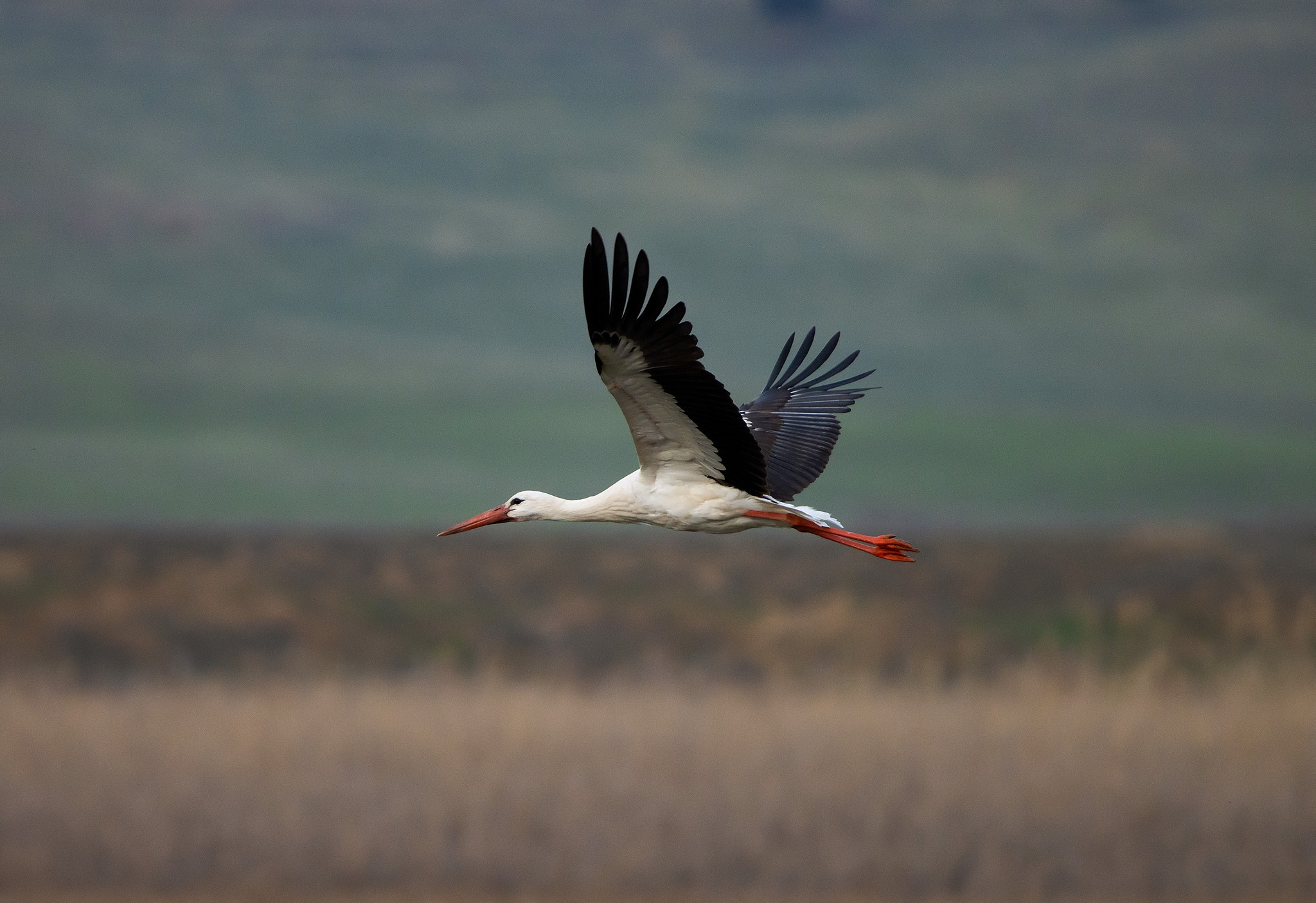
Imagine deer moving through the forest – branches snapping, leaves shifting, their calls echoing as they gather out of sight. To see them, and especially to photograph them, you have to become part of the forest yourself. This is one of the rules wildlife photographers in Georgia live by – from Levan Kobalia, Irakli Shavgulidze, Maia Duishvili, Lasha Shalamberidze, Davit Samkharadze, Giorgi Ebanoidze, and others: becoming part of the landscape is the only way to truly witness it.

“You get a completely different feeling when you witness nature awakening. We mostly shoot at sunrise and sunset, when the light is best and the strongest shots can be captured,” says Kobalia, who has been passionate about photography since childhood, and started professional shooting in 2012.
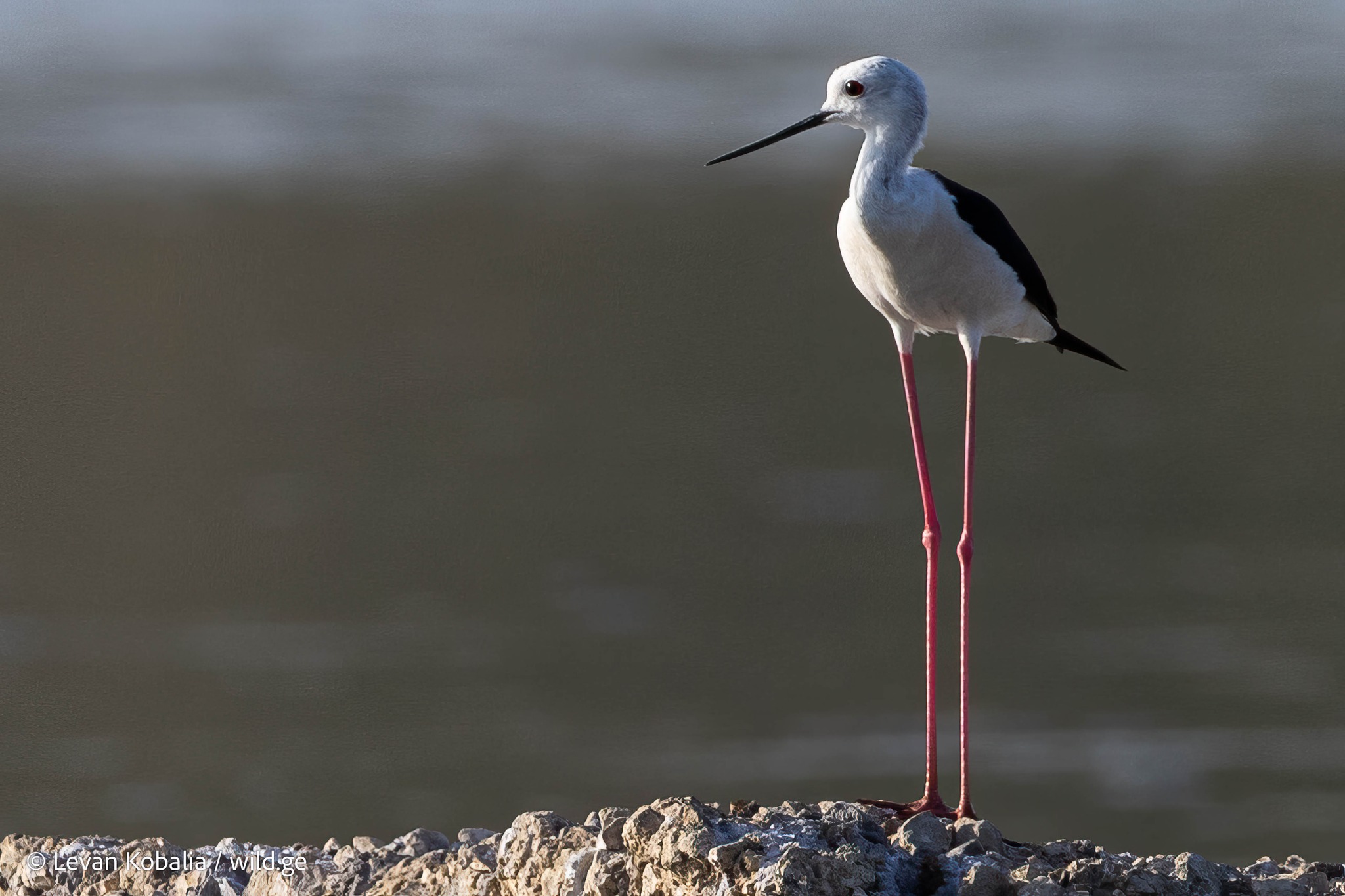
For him, wildlife photography is an exciting hobby and a way to relax.
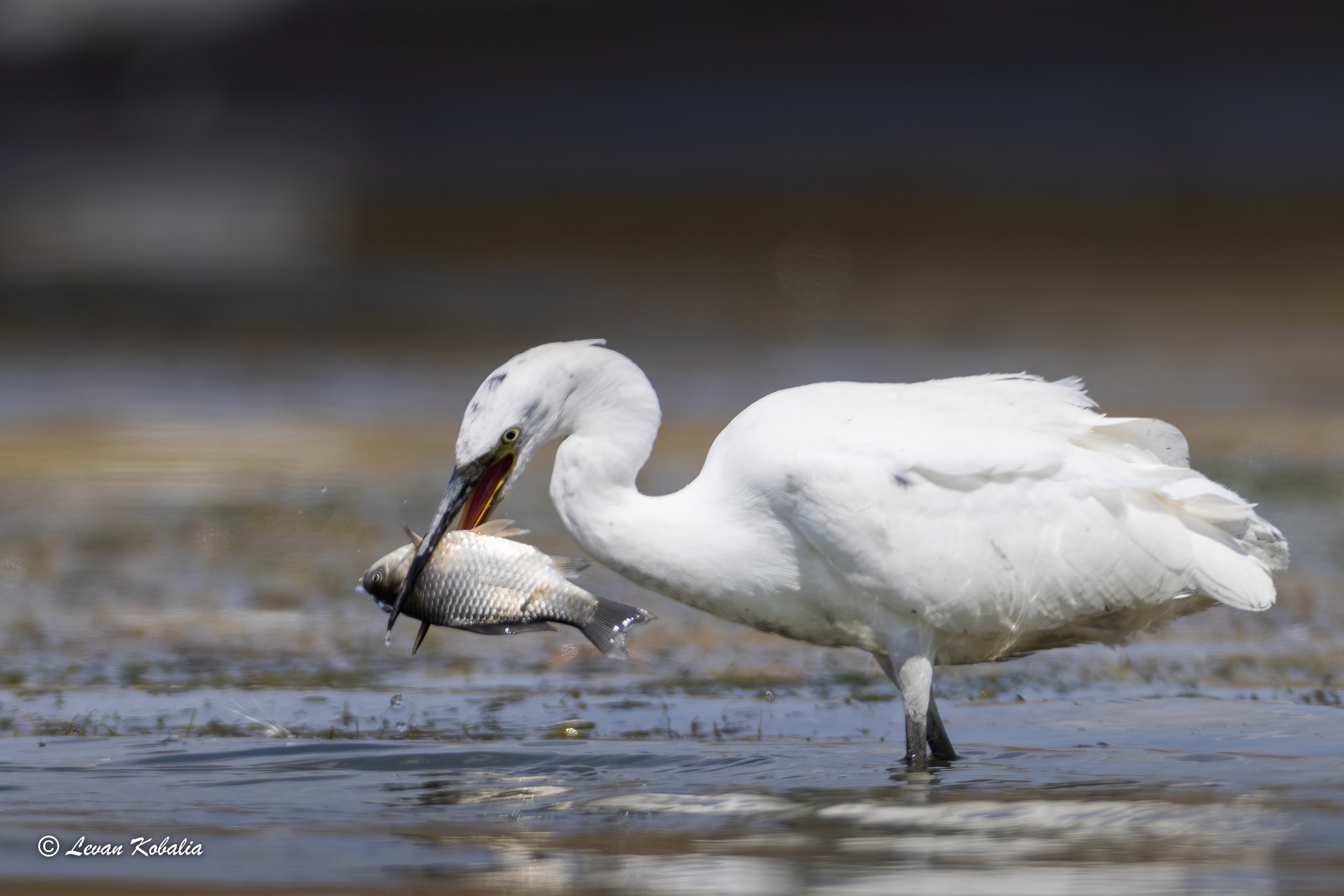
“I’ve been running a medical business since 2015, but without bird photography, I would probably go crazy. I can’t imagine doing my main job without this,” says Levan.
Maia Duishvili, a senior executive assistant to the World Bank’s South Caucasus regional director, started wildlife photography during the COVID-19 lockdown. Throughout the pandemic, she spent her weekends in Samtskhe-Javakheti photographing nature.
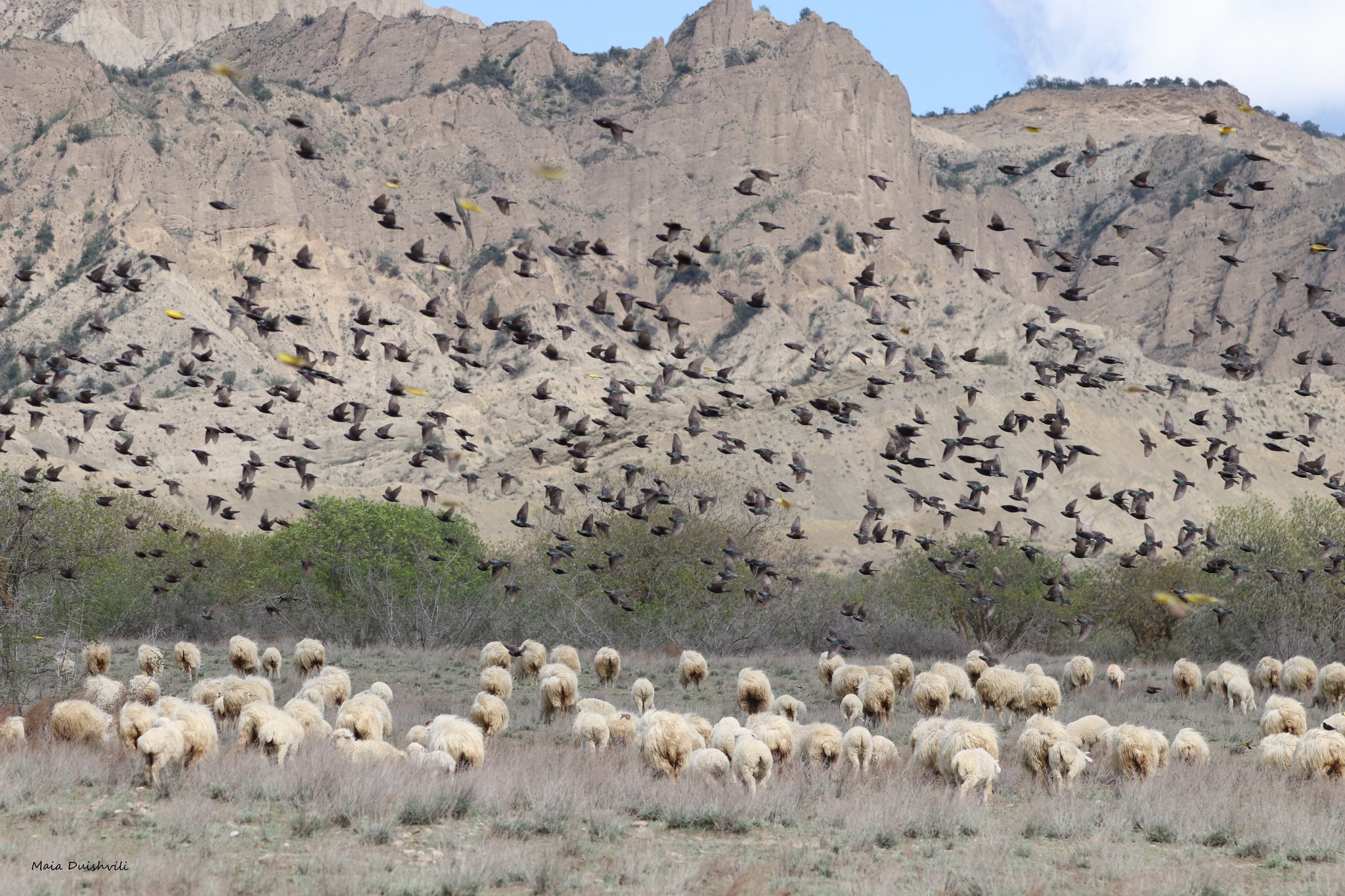
Her fascination with wildlife, however, began in childhood. Growing up in the Soviet Union, she vividly recalls the moment her father brought home a large National Geographic book.
“I remember thinking, ‘How lucky you must be to have a camera and photograph these animals.’ That feeling stayed buried for years, until it resurfaced during the pandemic,” she says, adding that a love for nature and wildlife should be nurtured from an early age.
Javakheti – which she calls “Treasure” – remains one of her main sources of inspiration, despite being little known to many Georgians.

“I always go alone,” Maia explains about her time in the field. “You shouldn’t go out thinking, ‘I must photograph something today.’ You go because you love nature – and then the shot comes naturally. You also need to understand animal behavior. A fox will run, but at some point it will look back – that’s your moment. Birds are the same. You learn their patterns, discover something new every time, and that’s what keeps me motivated.”
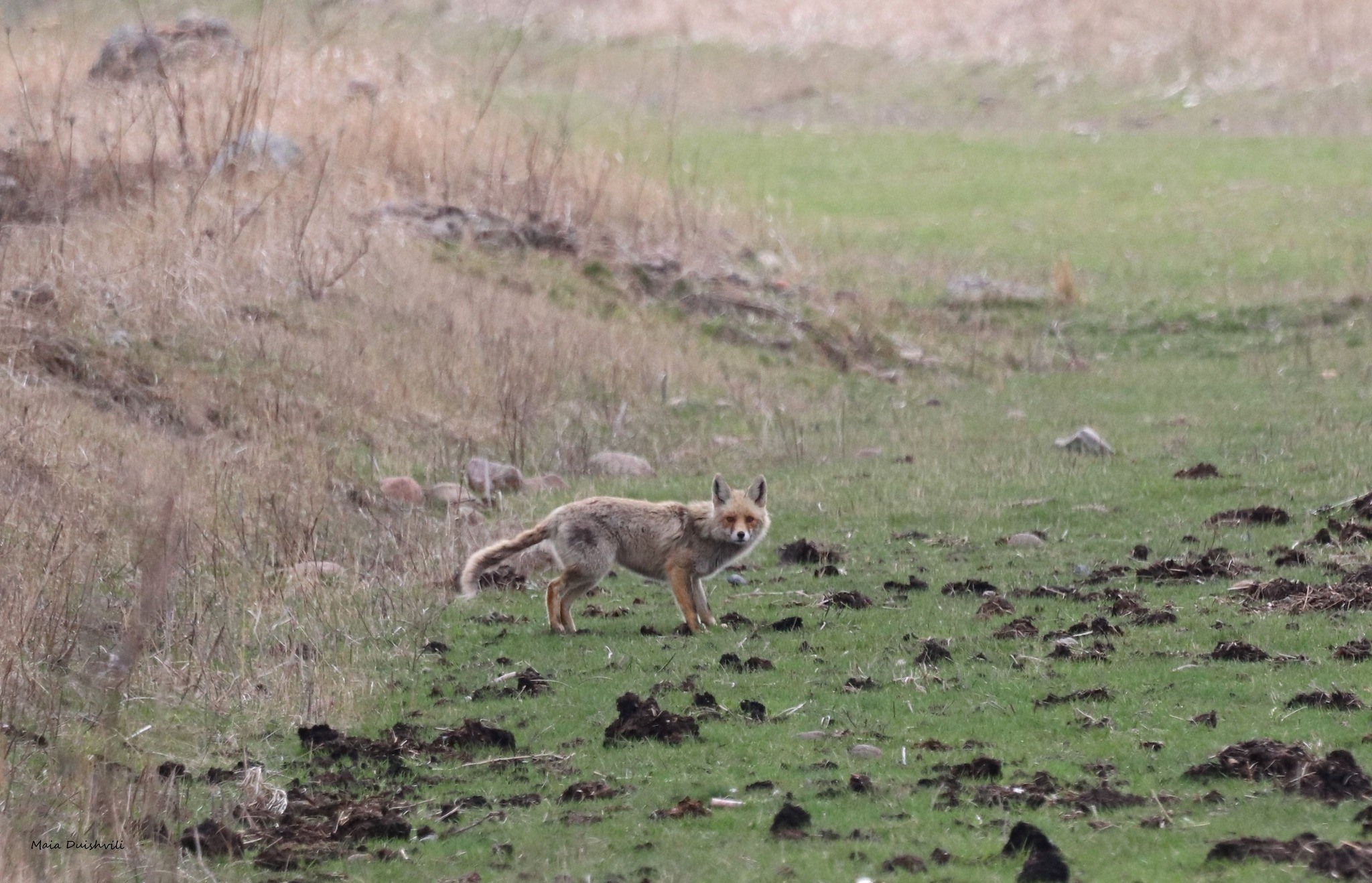
Getting the shot often requires a long period of preparation: going out at night, hiking to a chosen location, hiding before sunrise, and then waiting and shooting throughout the day.
For Davit Samkharadze, a film lighting technician, wildlife photography is, as it is for many in the field, a hobby with no commercial value. In eastern Georgia, he mainly photographs birds near Lakes Kumisi and Javakheti, and in western Georgia, near Lake Paliastomi.

“It’s a big adrenaline rush. The greatest motivation, and challenge, is to photograph a rare bird. Although you may not always get the shot, simply sitting camouflaged in nature is also a great pleasure,” Davit says.
Georgia is home to many endemic species, and each year migratory birds traveling from north to south use the country as a vital stopover on their long, exhausting journeys.
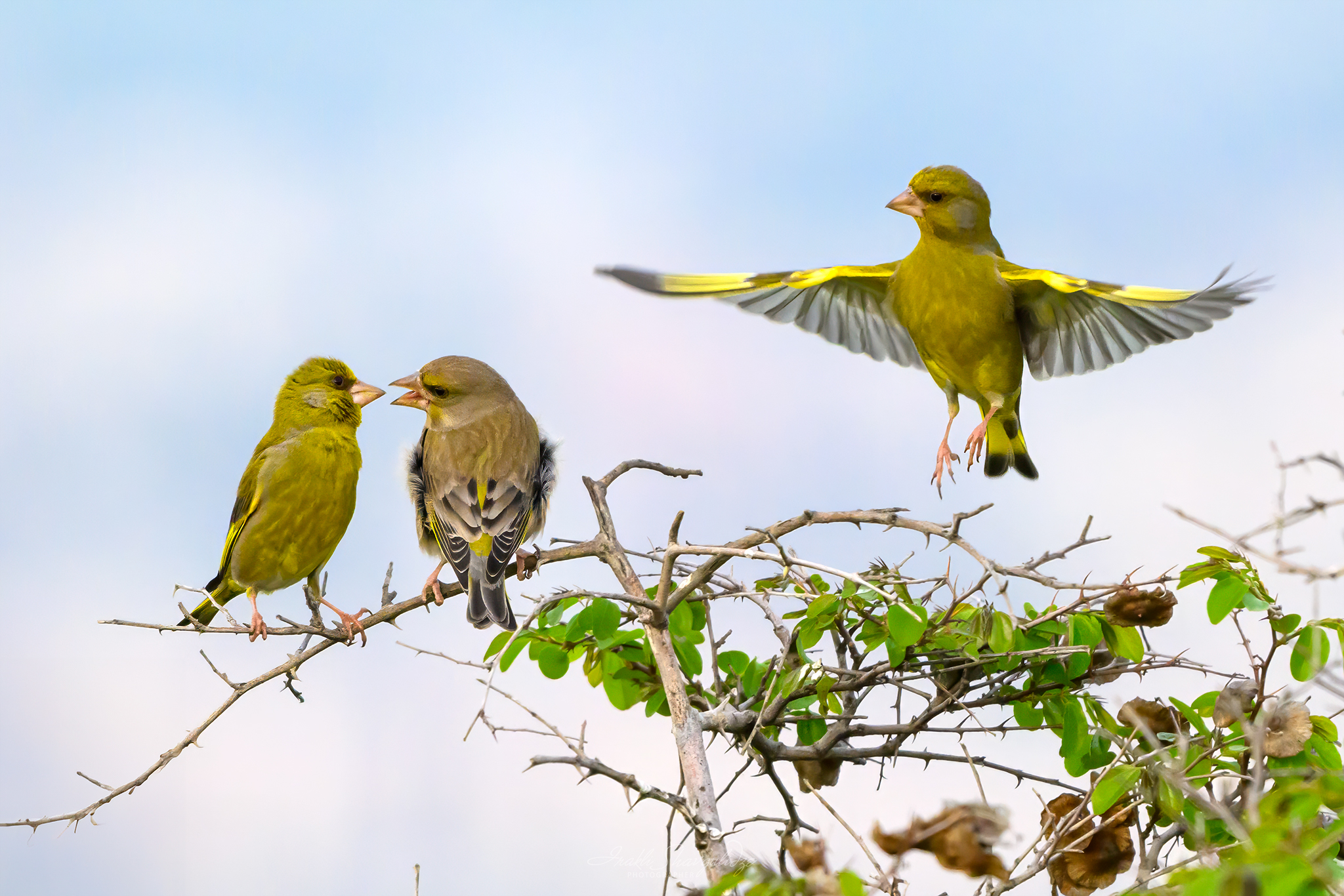
In the wild, birds and animals will only begin to appear a couple of hours after the photographer has hidden. While many birds rely primarily on sight, animals are highly sensitive to scent, so photographers avoid smoking or wearing perfume, and stay downwind to remain undetected.
“You need to understand the habits of each bird. And when you finally get the shot, it brings real joy. People can hide their emotions, but here you capture everything as it is,” says Lasha Shalamberidze, who has worked as a photographer for 15 years and turned to wildlife photography two years ago, inspired by his colleagues.
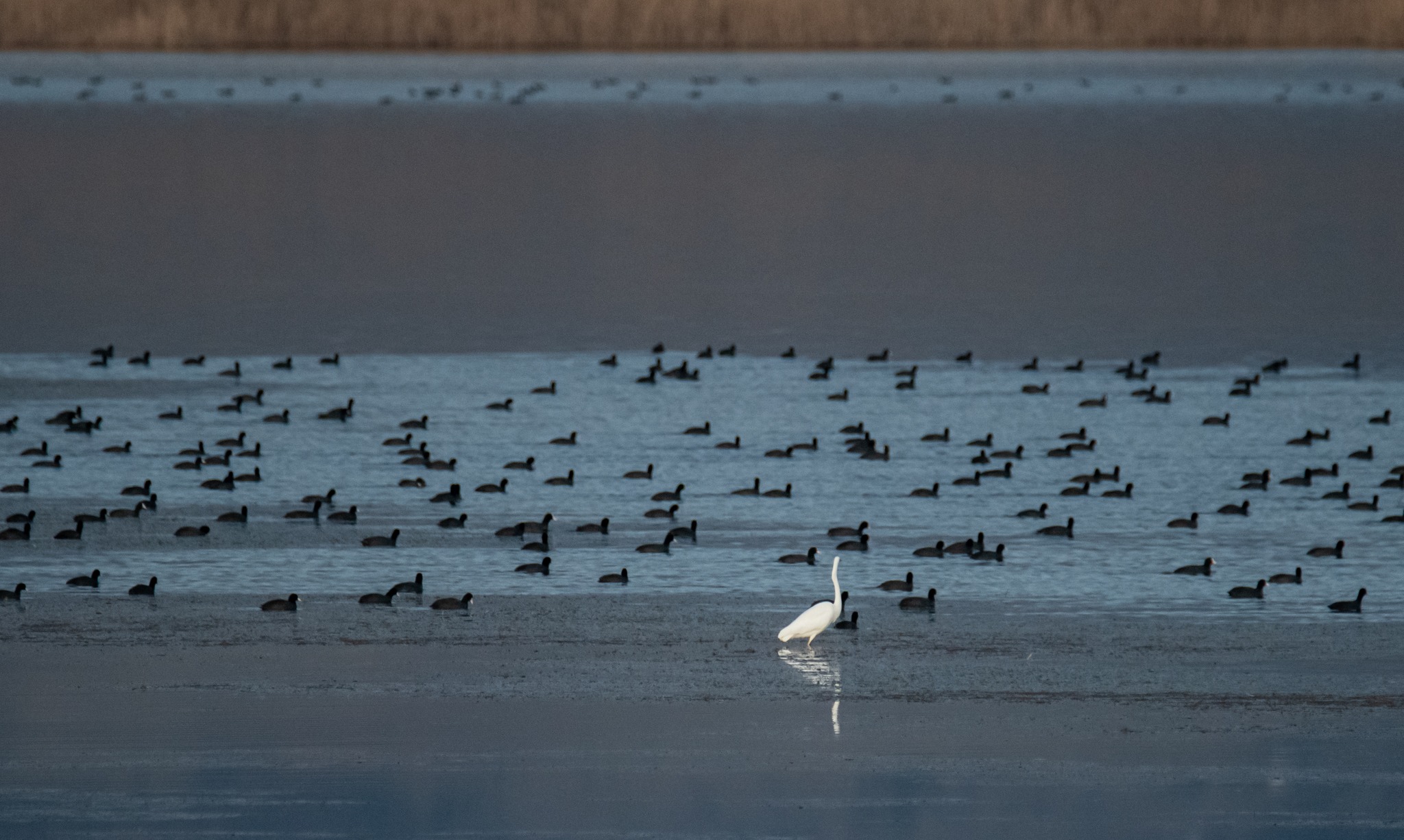
To give their work a more structured form and raise awareness about wildlife, photographers founded the Georgian Wildlife Photographers Association earlier this April. One of its founders, Levan Kobalia, says the association aims to increase general awareness of birds and animals. It also brings together Georgian wildlife photographers, who currently number about 40, 10% of whom are women.
“By sharing our photos, we want people to understand that not all small birds are sparrows, not all large birds are eagles, and not all long-legged birds are cranes,” says Kobalia.

Georgia’s wildlife photographers believe their work can contribute to environmental protection. They use photography to raise awareness, sharing their images on both personal and public social media pages. They also speak about the challenges they see in the field, including poaching, and note that some Georgians, among them children, have often been seen killing birds.
“There are many cases of animal cruelty. In Georgia, animals and birds are often feared, and we really want to teach children in schools to love and respect them,” Shalamberidze says.
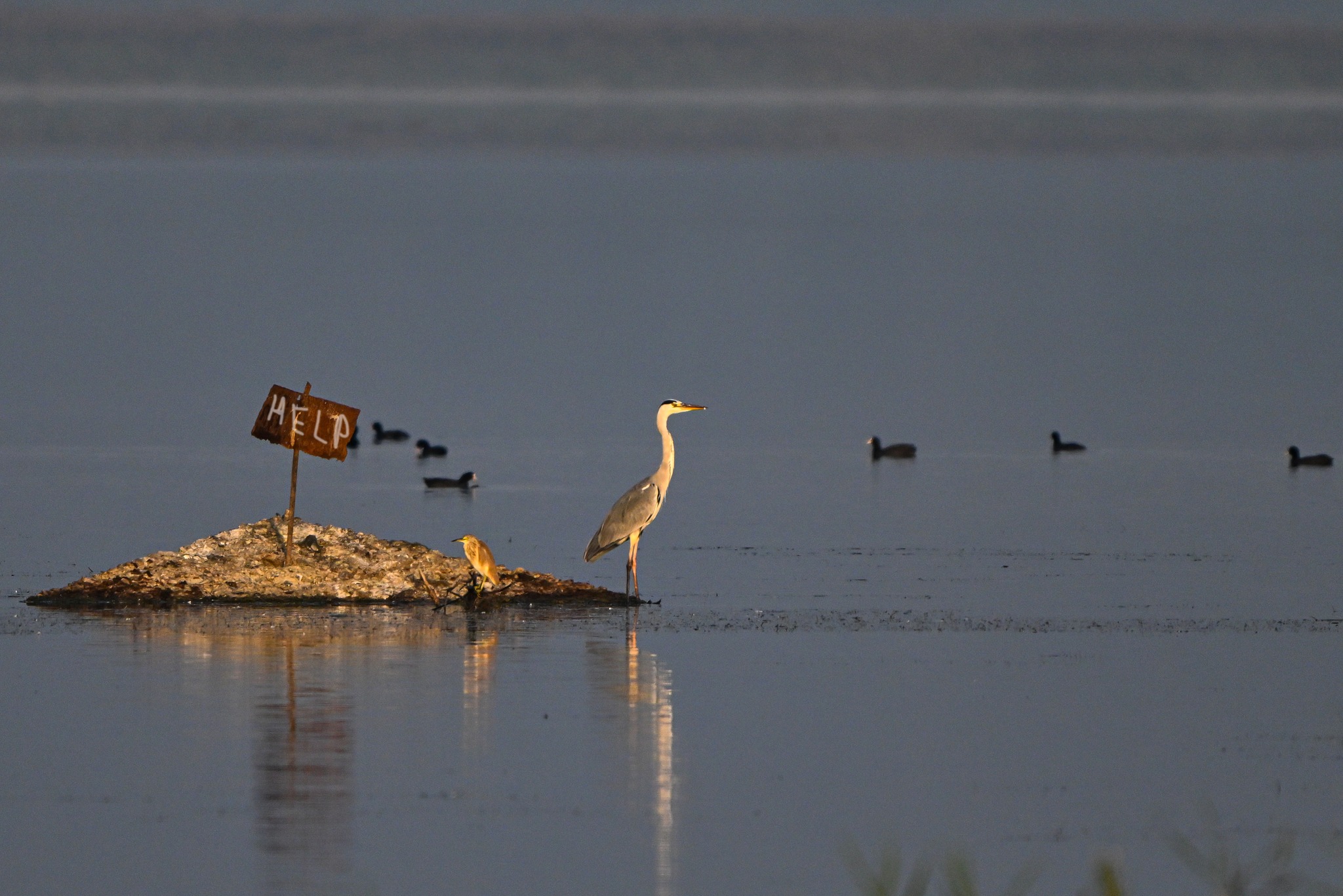
Wildlife photographers say the goal goes beyond capturing the perfect shot: it’s about helping people, especially children, learn to see nature not with fear, but with curiosity and respect.









