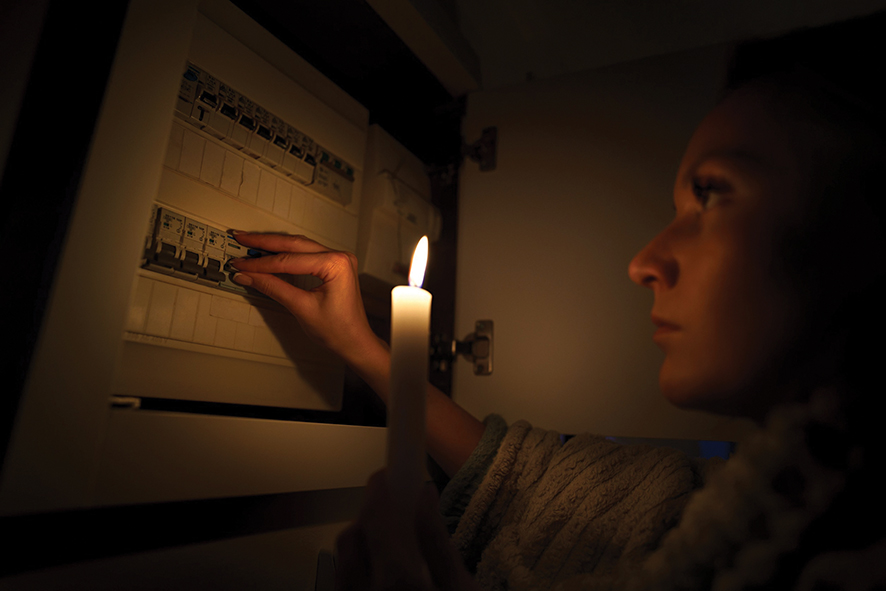
Georgia was hit by its third major power outage in recent weeks on Wednesday evening, with electricity cut across much of the country and gradually restored after almost an hour.
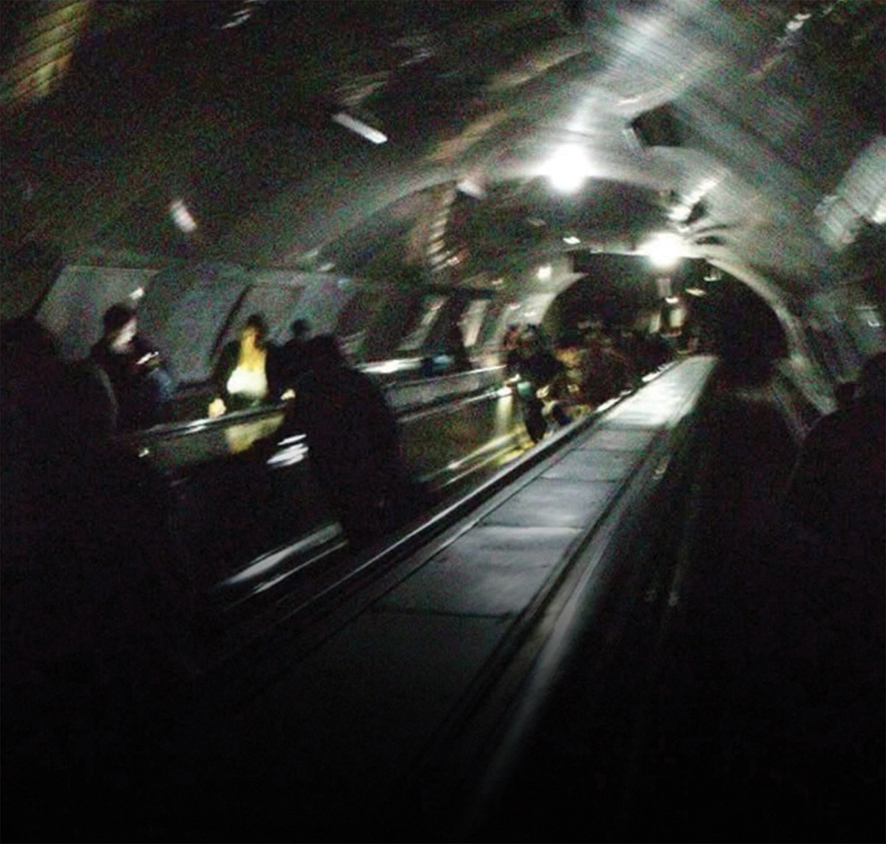
The blackout, which began at around 8pm, disrupted services nationwide. Mtavari Arkhi reported that passengers were forced to leave metro trains on foot during the outage.
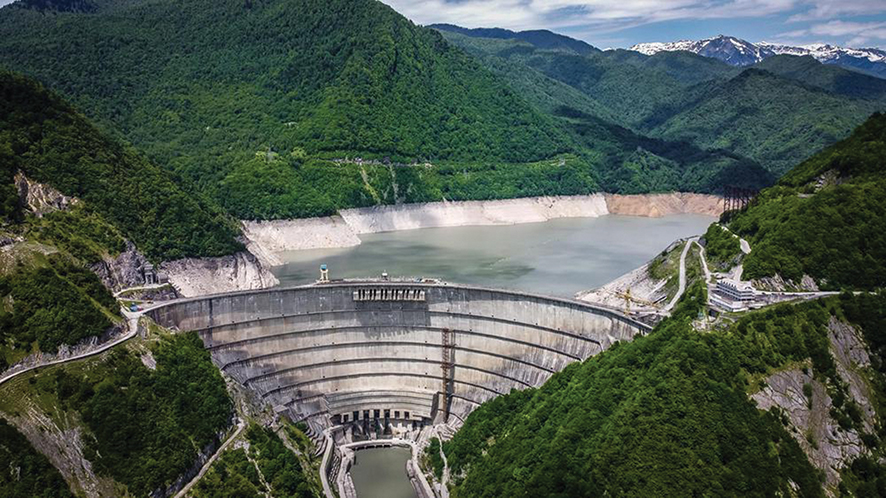
According to the Georgian State Electrosystem (GSE), the blackout occurred during technical work being carried out at the Enguri Hydropower Plant following the nationwide system failures on July 24 and 25.
The agency said specialists were testing equipment at the station, which required the electricity system to operate temporarily in an isolated mode and at frequencies different from the standard operating frequency, resulting in a temporary nationwide power outage.
GSE said emergency measures were immediately taken and electricity was subsequently restored across the country.
The explanation drew criticism from opposition MP Giorgi Sharashidze of the Gakharia for Georgia party, who questioned why authorities failed to act or warn the public if they knew there was a risk of a nationwide system shutdown.
“After the third nationwide electricity outage, the statement by the Georgian State Electrosystem and later comments by a member of the Georgian National Energy and Water Supply Regulatory Commission, saying that the blackout was caused by planned testing of Enguri HPP units and that the risk of a complete system shutdown was known in advance, raise even more questions about what is really happening in Georgia’s electricity system,” Sharashidze said.
He added that citizens, particularly those forced to walk through darkened metro tunnels, deserved to know why no preventative measures or advance warning had been given. Sharashidze also suggested the real reason behind the blackout could be more serious than officials have acknowledged.
The incident came less than two weeks after nationwide blackouts on July 24 and 25, when electricity supplies were interrupted across Georgia, including in the Russian-occupied region of Abkhazia. The repeated failures have raised questions about the stability and management of the country’s electricity network.
According to reporting by Radio Free Europe/Radio Liberty journalist Sandro Jufalakiani, the July outages have already led to personnel changes at Georgian State Electrosystem (GSE). GSE Director General Vano Zardiashvili is expected to leave his post after returning from leave, with Deputy Director General Davit Vardiashvili temporarily carrying out his duties.
The move followed the presentation of preliminary findings by the Georgian National Energy and Water Supply Regulatory Commission into the July 24 blackout.
According to the commission’s initial assessment, the first outage began after the 110-kilovolt “Geguti” transmission line, connected to the Kutaisi 220 substation, was disconnected. At the time, Georgia’s electricity system was linked with Azerbaijan’s network. The disconnection separated Georgia from the Azerbaijani system, leaving the country’s grid operating in isolation. The commission said this led to drops in frequency and voltage, followed by a chain reaction that shut down power plants and consumers across the country.
The regulator said the electricity system should have been better prepared to prevent such a scenario, stating that existing protection and automation systems should have been recalculated to improve the reliability and stability of the network.
However, the company responsible for the transmission line, Energo-Pro Georgia, disputed this assessment, saying that the failure of one distribution line should not result in Georgia losing its connection with a neighboring country, switching to an isolated mode, and experiencing a complete nationwide blackout.
Investigations into the July outages are being carried out separately by the energy regulator and the State Security Service of Georgia, which is examining the possibility of sabotage. No final conclusions from that investigation have been announced.
Energy experts have warned that Georgia’s electricity system faces structural risks, including the concentration of much of the country’s hydropower generation in western Georgia. Energy expert Gia Arabidze told RFE/RL that while the preliminary findings had provided some information, the exact reasons for the outages remained unclear.
The repeated blackouts have also renewed debate over political influence and management within the energy sector. Some experts cited by RFE/RL argued that personnel changes alone would not resolve deeper problems within the system.
By Team GT