
Tensions around the Strait of Hormuz are continuing to ripple through global energy markets this week, as maritime enforcement linked to the United States and Iran disrupts shipping routes and keeps fuel supply worries in focus.
According to Reuters, US naval forces have intercepted and redirected several Iranian-flagged oil tankers operating in Asian waters near India, Malaysia, and Sri Lanka. US Central Command (CENTCOM) also said that 29 vessels have been ordered to return to port as part of broader enforcement actions tied to Iranian maritime activity.
The Strait of Hormuz is at the heart of it all. A narrow but critical waterway, about a fifth of the world’s oil normally passes through it: even small disruptions can quickly be felt in global markets. Traders and analysts say that is exactly what we are seeing now, with prices remaining volatile as uncertainty continues.
Recent reporting suggests that flows of crude and refined fuel from the Gulf have tightened, especially for products like diesel and jet fuel. This feeds directly into transport and aviation costs, and the effects are already starting to show.
At the same time, the wider conflict remains stuck in uneasy diplomacy. Talks between Washington and Tehran are still technically ongoing, but are fragile and indirect. Neither side appears close to a breakthrough, and recent developments at sea have only added more doubt about whether negotiations can really hold.
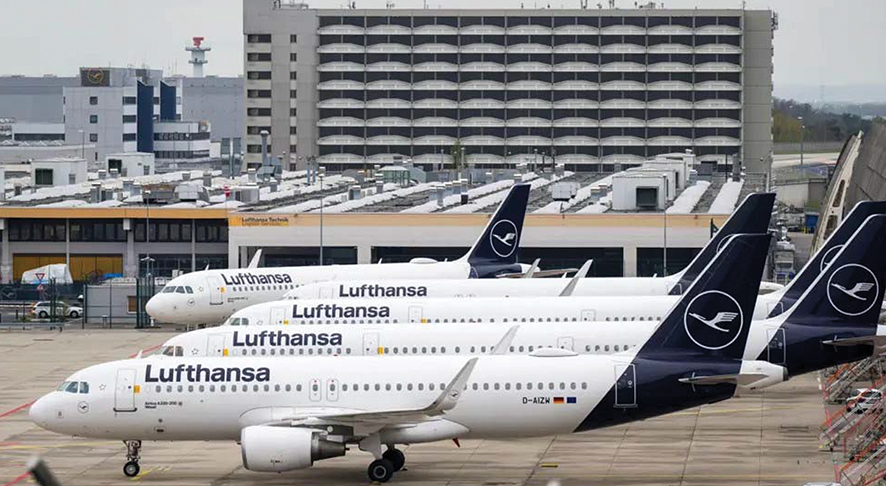
For airlines, the pressure is becoming harder to ignore. This week, Lufthansa announced it will cut 20,000 short-haul flights through October 2026, pointing to higher jet fuel costs linked to instability in Middle Eastern oil supply routes. The airline said the cuts will mostly affect lower-demand European routes as it tries to control rising operating expenses.
Industry analysts say aviation is particularly exposed in moments like this because fuel is one of its biggest costs. With Europe relying heavily on imported refined fuel, even small shifts in global supply can force airlines to rethink schedules, reduce capacity, and consolidate routes.
For now, the aviation impact is still secondary to the broader energy concerns. But with tensions around the Strait of Hormuz still unresolved, the sense in markets is that the pressure has not peaked yet.
By Team GT