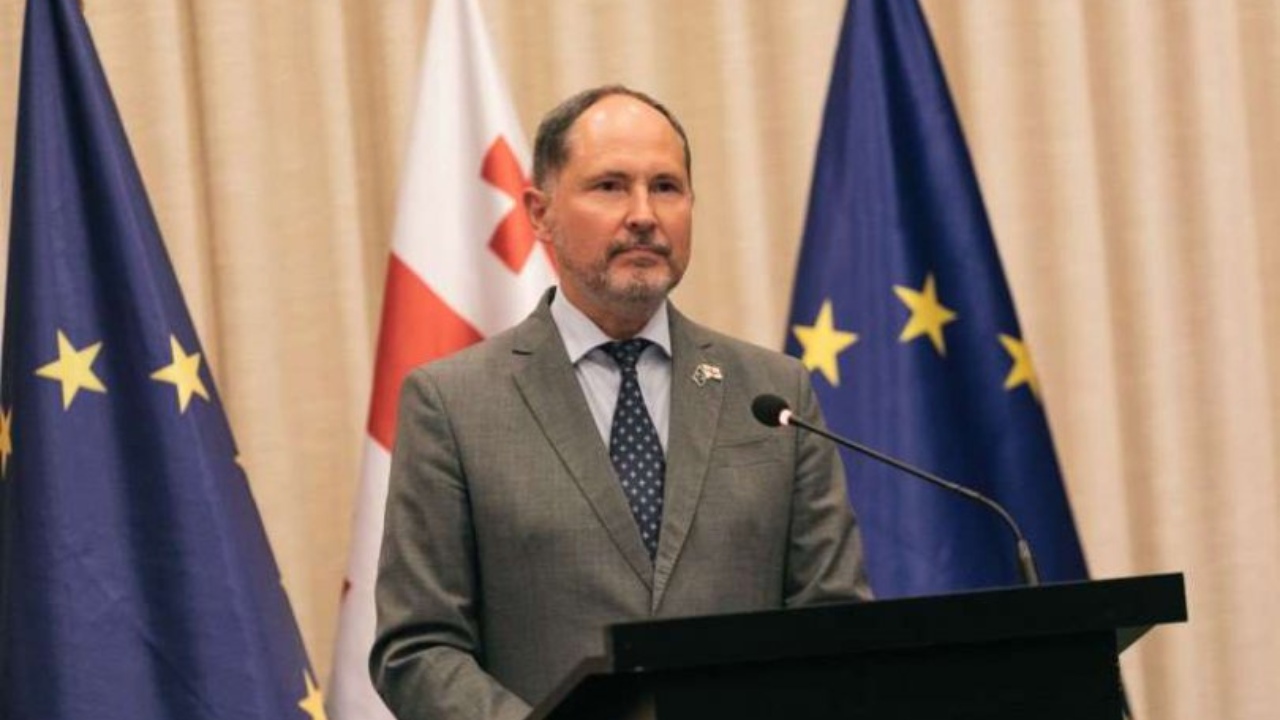
Officials from the ruling Georgian Dream party have called for the EU Ambassador to Georgia, Pavel Herczynski, to be summoned to the Ministry of Foreign Affairs following his recent remarks made in Brussels.
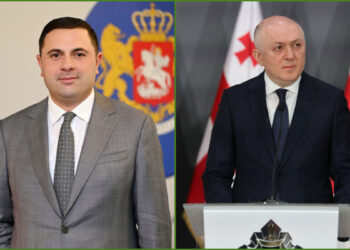
Prime Minister Irakli Kobakhidze claimed that Herczynski’s statement was “manipulative” and accused the ambassador of threatening the Georgian public with civil unrest. Kobakhidze added that the diplomat’s comments about possible future developments in Georgia implied a scenario of civil war and economic decline.
“He said that in the near future it will be decided how events in the country will unfold: either in one direction or another. According to his interpretation, the second direction is civil war and the impoverishment of the population. When the EU ambassador speaks in such a way, it is truly tragic. This is a direct threat, and summoning the ambassador is therefore appropriate,” Kobakhidze said.
Tbilisi Mayor Kakha Kaladze echoed the criticism, also accusing Herczynski of making alarming statements about potential civil confrontation. Kaladze described the remarks as “deeply concerning” and stressed the need for the ambassador to provide clarification.
“It was a very worrying statement: there was talk of war and civil confrontation. Hearing this is extremely serious. Where there were indirect calls to get involved in war, now there is direct talk of internal conflict. This is very troubling. First and foremost, he must be summoned and asked specific questions that require answers,” Kaladze stated.
The controversy follows comments made by Herczynski on April 22 in Brussels during the opening of a documentary photo exhibition titled “Georgia in Focus” at the European External Action Service. In his speech, the EU ambassador said that Georgia is at a crossroads.
“The future of Georgia is not yet written, but what will be decided in the coming weeks and months will determine whether Georgia belongs to the European family of nations, built on democracy, the rule of law, and human rights, or whether it will unfortunately return to its darker past,” Herczynski said.
The remarks have further strained the already tense rhetoric between Georgian authorities and European representatives, amid ongoing debates over the country’s democratic trajectory and its path toward European integration.