Russia kept up steady pressure along the eastern front over the past week, trying to turn small gains into something more meaningful. Ukraine, in turn, continued striking deep into Russian energy and transport infrastructure while holding its defensive lines in the Donbas. The war remains a slow grind, but its reach is widening, and the consequences are building.
Recent battlefield assessments from Ukrainian and Western sources indicate continued fighting across a long stretch of the front, running from the northeast down toward central Donetsk. Clashes have been reported near Kupiansk and southeast of Slovyansk, particularly along the Kostyantynivka-Druzhkivka line. Russia’s Defense Ministry says its forces have captured significant territory since the start of 2026, though such claims are difficult to verify independently and are often disputed.
Ukraine continues to rely on a network of fortified towns and cities in Donbas, sometimes described as a layered defensive belt. These positions remain central to slowing or blocking further Russian advances.
There has been no confirmed breakthrough or sudden collapse in Ukrainian defenses this week. Still, the pressure is constant. Russian tactics, as described by military analysts, center on small infantry assaults backed by heavy artillery and guided aerial bombs. The goal appears to be gradual exhaustion of Ukrainian forces rather than a rapid push forward. For Ukraine, the challenge is holding the line while preserving reserves and protecting key infrastructure from ongoing air attacks.
Civilians continue to pay the price. Ukrainian officials reported that missile and drone strikes during the week killed several people and injured many others in cities including Kyiv, Odesa, and Dnipro. Exact numbers differ between reports and may change, but the pattern is clear. These attacks do not shift the front line directly, but they place pressure on daily life, infrastructure, and public morale.
Ukraine’s southern regions and export routes also came under repeated attack. Authorities reported damage following drone strikes on port facilities in the Danube region, including Izmail, which has become a key export hub as Black Sea routes remain under threat. In the Odesa region, separate strikes damaged port and railway infrastructure. These incidents fit a consistent pattern of attempts to disrupt Ukraine’s logistics and economic lifelines.
Ukraine has responded by continuing its long-range drone campaign inside Russia. Officials and open-source reports indicate strikes on oil refineries, storage depots, and export terminals in several regions, in some cases more than 1,000 kilometers from the border. The aim is to complicate fuel supply chains and increase the economic cost of the war for Moscow.
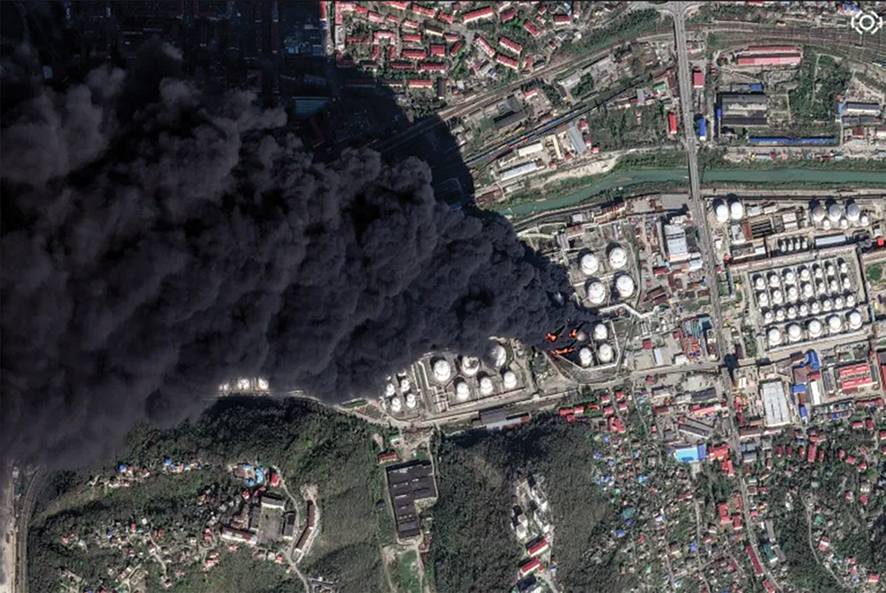
One reported strike hit the Tuapse oil refinery on Russia’s Black Sea coast. Local authorities confirmed a fire at the site, though the scale of the damage and its impact on operations remain unclear. Taken together, repeated strikes on energy infrastructure are likely adding strain, even if they have not stopped exports.
There has been some movement on the diplomatic front, though little sign of a breakthrough. Ukraine has again expressed willingness to hold high-level talks. Foreign Minister Andrii Sybiha said Kyiv has asked Turkey to consider hosting a meeting between President Volodymyr Zelensky and President Vladimir Putin. Turkish officials have indicated they are open to facilitating such talks. The Kremlin, however, has suggested that any meeting would require prior agreement on key terms, pointing to ongoing disagreements over territory and security guarantees.
The wider international situation may also be shaping the pace of diplomacy. Analysts note that U.S. attention is divided across several global issues, which could reduce immediate pressure for negotiations. For now, developments on the battlefield continue to define each side’s leverage.
Ukraine is still securing support from its partners. Germany has announced expanded defense cooperation, including joint drone production and additional air defense systems such as Patriot and IRIS-T. These are expected to strengthen Ukraine’s ability to defend against aerial attacks.
The United Kingdom has also outlined further assistance, including large-scale drone deliveries and continued supplies of artillery ammunition and air defense missiles. While exact figures and timelines vary, Western officials increasingly point to drones as a central element of the war on both sides.
Financial support remains just as important. The European Union is moving ahead with a large, multi-year financial package designed to help Ukraine cover both military and government expenses. Funds are expected to be released in stages, helping sustain essential services while the war continues.
Taken together, the past week reflects the core pattern of this phase of the war. Russia is applying steady pressure along the front and continuing long-range strikes, while Ukraine focuses on holding its defenses, striking back where it can, and relying on outside support.
There are no sudden shifts, but that does not mean little is happening. This is a slow, wearing conflict where outcomes are shaped over time through persistence, resources, and resilience.
The key question remains unchanged. Can Russia turn its gradual gains into something more decisive, or will Ukraine’s defenses, combined with sustained support and growing strike reach, be enough to hold the line and extend the stalemate?
Compiled by Ana Dumbadze