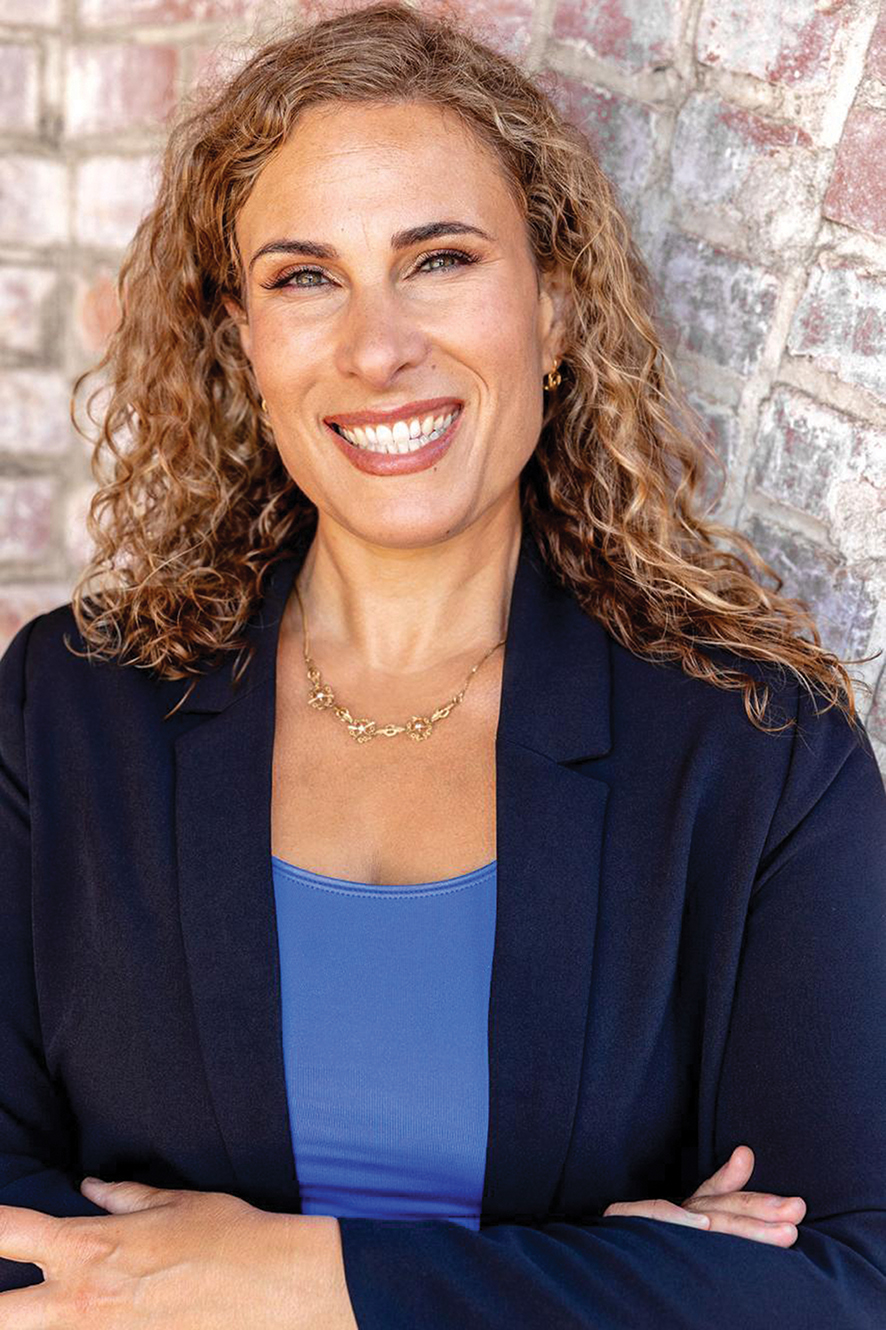
Heidi Basch-Harod serves as the Executive Director of Women’s Voices Now (WVN). In this role, she oversees an international team dedicated to the organization’s mission of using film to drive social change and advance girls’ and women’s rights globally. She also supervises the Emmy-Award winning youth development program, Girls’ Voices Now. Within the WVN Film Festival, she works with volunteers from around the world, recruiting and evaluating a wide range of women’s rights-focused documentaries.
WVN’s goal is getting those films out into the mainstream and bringing their stories to wider audiences.
GEORGIA TODAY sat down with Heidi to find out more.
Tells us the origin story of the festival: what makes it unique?
The WVN Film Festival is the inaugural program of WVN, which was founded in 2010, born out of discussions between the organization’s founder, Leslie Sacks, of blessed memory, and close friends and colleagues. Leslie used to say: “Women are the catalysts and their voices are the medium,” and in amplifying their voices, there would be a more just world for all.
Sadly, Leslie passed away in 2013 after a decade-long battle with cancer. In his honor, his family have continued to support and champion our work and mission, ensuring Leslie’s vision survives.
The festival is a unique one. There are many women’s film festivals – promoting women in front of and behind the camera; and many human rights film festivals, spreading awareness about these issues everywhere. To my knowledge, there is no other film festival in the world that is a women’s rights documentary film festival with the dual purpose of supporting women filmmakers and advocating for global women’s rights.
Another fun fact about our festival: it was online from its very start. COVID lockdowns granted us the opportunity to be seen and heard in unprecedented numbers. Folks had no choice but to adapt to home viewing films and creating an atmosphere for themselves, in partnership with us.
It is challenging to hold onto hope and to advocate for women’s rights and gender equality
More on our uniqueness: The WVN Film Festival occurs annually; each year with a theme. However, the theme is not preset, being identified and determined from the review of the films by the internal selection committee. Magically, or because we are just all so connected without sometimes even knowing it, competing films selected to each year’s festival have a common thread running through them all. Now, when we are witnessing serious backlash against the progress of women in many parts of the world, it is very challenging to hold onto hope and to keep going to advocate for women’s rights and gender equality.
It seems that our filmmakers are feeling this too, and so many of the films submitted to our festival focus on trailblazing individuals who actually have had a much more difficult journey than some of us do today. So, this year’s theme, “Forward, In Her Footsteps,” is all about remembering the women who have come before us who made it possible for us to even dream to be somewhere different. We have to trust in the legacy and history of the struggle and keep going; to remember it is always worthwhile to see where we’ve come from as we decide where to go next.

How do you select participating films?
For our festival, films must fall into the short or feature documentary genre. We look for filmmakers who consider themselves change-makers advocating for women’s and girls’ rights around the world. We define documentary broadly, accepting animation and other documentaries taking a more creative or experimental approach; in our new AI reality, we also accept documentaries using these technologies.
Our films come from around the world: to date, from 105 countries. The first round of volunteer previewers determine which films make the first cut, then onto our internal previewer committee of board and staff, then to the festival jury members who determine the recipients of the eight cash prizes we award.
It’s important to us that all previewing committees and jury panels are incredibly diverse, and to ensure that films accepted are ethical, authentic, and representative of the subjects’ lived experiences, unmediated as much as is possible in this medium of art.
What are some of the urgent issues these filmmakers are addressing and why?
Each year, we see a variety of issues that we are familiar with: women’s access to education, economic opportunities and political representation. We also see films addressing bodily autonomy, including but not limited to films about female genital mutilation, abortion, and gender identity. Indubitably, a bulk of our films will deal with the ongoing global pandemic of violence against women affecting one in three of us.
Interview by Tony Hanmer
Tony Hanmer has lived in Georgia since 1999, in Svaneti since 2007, and been a weekly writer and photographer for GT since early 2011. He runs the “Svaneti Renaissance” Facebook group, now with over 2000 members, at www.facebook.com/groups/SvanetiRenaissance/
He and his wife also run their own guest house in Etseri: www.facebook.com/hanmer.house.svaneti