The United States has imposed new customs tariffs on goods imported from 60 countries, arguing that they have failed to effectively enforce bans on products made with forced labor.
Several governments have rejected Washington’s allegations.
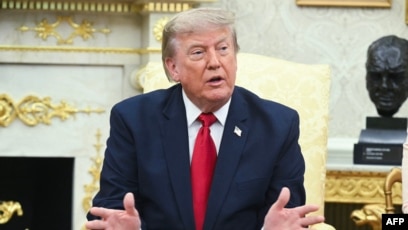
The new measures, signed by President Donald Trump, were published by the White House on July 23 and took effect on July 24. The list includes both long-standing US allies and countries regarded as strategic rivals.
The tariffs, ranging from 10% to 12.5%, apply to imports from the European Union, the United Kingdom, Switzerland, Australia, Israel, Turkey, Japan, China, Russia, India, and dozens of other countries across Africa, Asia, the Gulf region, and the Americas.
White House says the decision follows an investigation launched by the Office of the US Trade Representative in March 2026 into whether these countries were effectively preventing imports of goods produced through forced labor.
The US administration says the new duties cover 99.4% of total imports from the affected countries. Steel, aluminum, oil, and natural gas are exempt, as they remain subject to separate tariff regimes.
The move effectively replaces the blanket 10% tariffs that President Trump had previously imposed on imports from dozens of countries, after the US Supreme Court ruled those earlier measures unlawful.
European Union High Representative for Foreign Affairs and Security Policy Kaja Kallas dismissed Washington’s assessment, telling Reuters that the claim the EU fails to adequately enforce forced labor restrictions is unfounded. She described the US decision as unexpected.
Switzerland also rejected the allegations, while the Australian government called the tariffs entirely unjustified.
Since returning to office for a second term, President Trump has introduced multiple rounds of tariffs on imports from countries around the world, arguing that the United States has been placed at an unfair disadvantage in global trade.
His tariff policy has heightened trade tensions with numerous countries, including traditional US allies, while also contributing to higher prices within the United States.