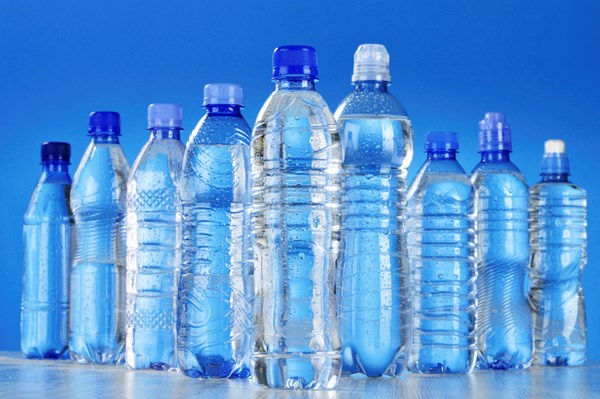
Georgia is preparing to introduce one of the world’s strictest regulations on plastic beverage packaging, with plans to ban the sale of most drinks in plastic bottles starting February 1, 2027.
Under the proposed rule, the production, import and sale of carbonated drinks, soft drinks, alcoholic beverages and bottled water in plastic containers will largely be prohibited.
Only limited exceptions will remain. The regulation will allow:
- drinking water packaged in bottles larger than 3 liters and
- carbonated beverages sold in containers larger than 20 liters.
If implemented as planned, most beverages currently sold in plastic bottles in Georgia, both locally produced and imported, would disappear from the market.
Research by the Georgian business outlet BM.GE indicates that no other country has introduced a restriction of comparable scope.
Neither the European Union, the United States, nor member states of the Organisation for Economic Co-operation and Development have implemented bans limiting beverage sales in plastic bottles to such an extent.
Experts point out that Georgia is a major producer of mineral water and carbonated drinks and the industry relies heavily on plastic packaging. Aluminum and glass bottles currently account for only a small share of the market.
Another challenge is the lack of a comprehensive recycling system in Georgia. Unlike the European Union, where waste separation and recycling standards are widely implemented, Georgia does not yet have an operational nationwide system for recycling plastic or aluminum. Glass recycling also remains limited.
By comparison, the European Union has introduced targets requiring at least 25% of plastic bottles to be recycled by 2025.
Industry specialists warn that transitioning to alternative packaging such as glass or aluminum will require significant investment, potentially increasing production costs, particularly for larger beverage containers.
The current regulation represents a scaled-down version of an earlier government proposal that would have banned plastic packaging for a wider range of food products, including dairy items and sauces. Despite these revisions, analysts say the measure still represents the strictest regulation on plastic beverage packaging globally.
The policy could significantly affect leading beverage producers operating in Georgia, including the Borjomi Group.
The company produces several well-known brands such as Borjomi, Likani and Bakuriani. The Georgian government currently holds a 7.73% stake in the Borjomi Group, meaning the regulation could also have economic implications for the state’s interests in the sector.
The planned measure is part of broader efforts aimed at reducing plastic waste and limiting environmental pollution.