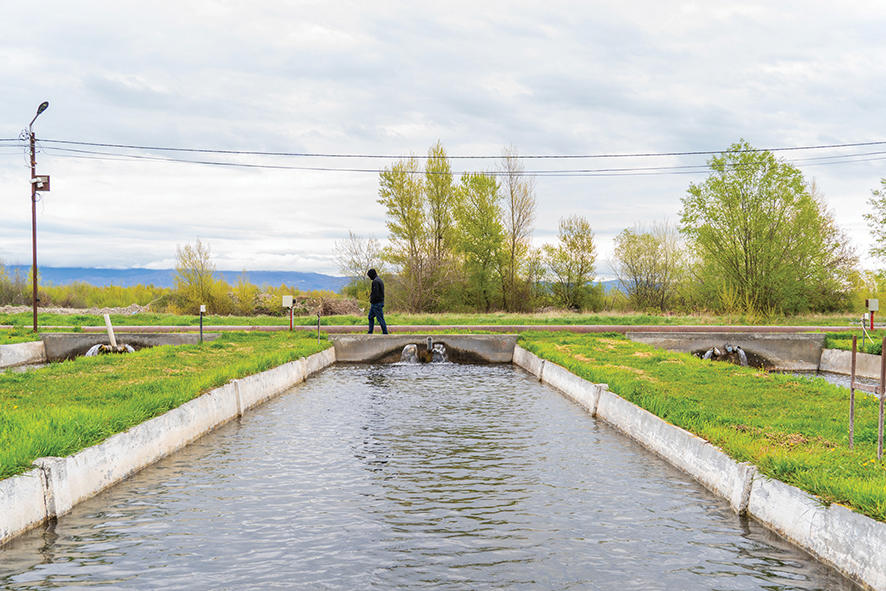
Fish farmers in Georgia have enhanced their knowledge and practical skills in food safety and aquatic animal health management through a five-day training. The educational opportunity was organized and delivered by the Food and Agriculture Organization of the United Nations (FAO) under the ENPARD IV program with the support of the European Union and Sweden.
The training brought together more than 40 aquaculture producers, Food Business Operators and sector stakeholders. It aimed at adopting good aquaculture practices aligned with international standards.
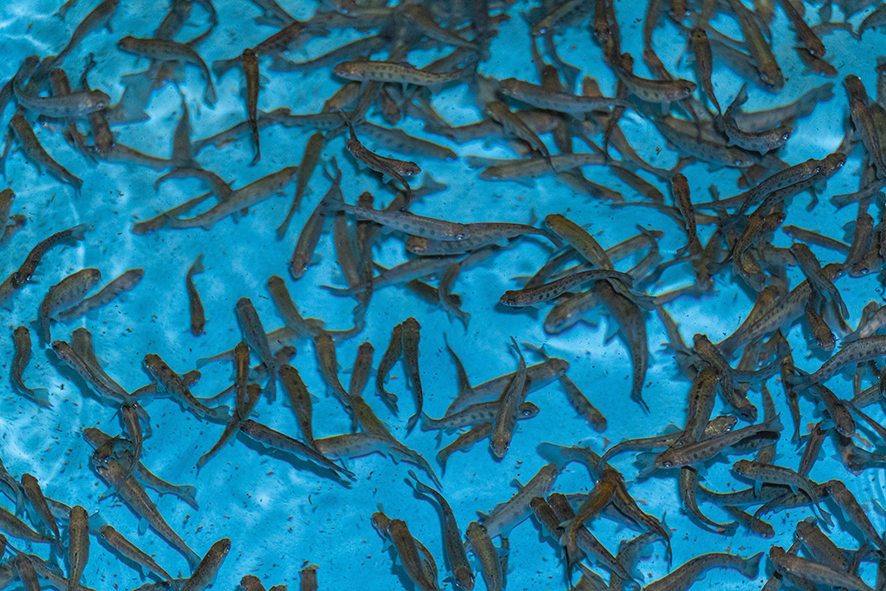
As the aquaculture sector in Georgia develops, strengthening food safety and disease prevention is essential for protecting public health and improving market access. The training combined practical and field-based learning to build farmers’ capacity in biosecurity, hazard management, and outbreak response, while introducing FAO-supported digital tools, such as the National Animal Identification and Traceability System (NAITS) and Farm Management Systems (FMS), to enhance traceability and decision-making.
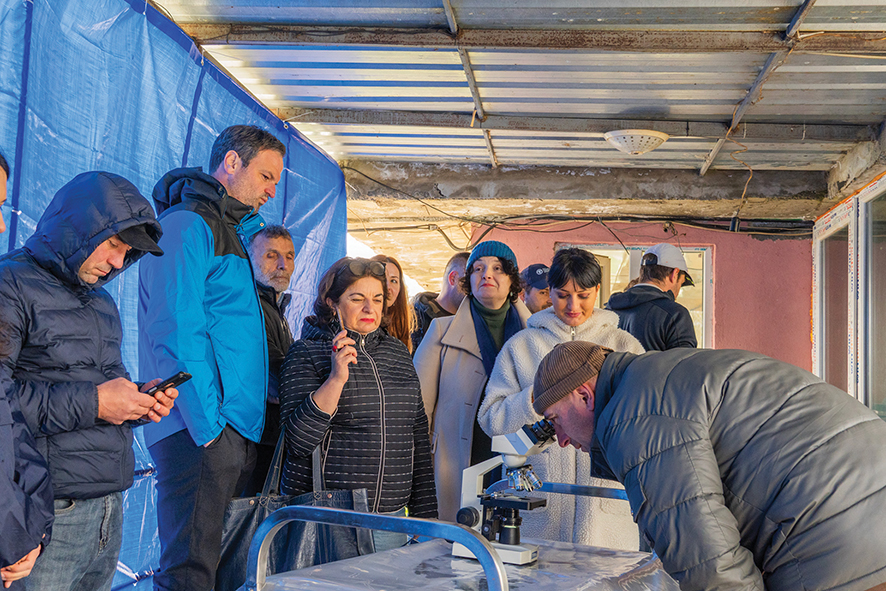
A dedicated field day allowed participants to integrate food safety and aquatic animal health practices through hands-on farm-based exercises, focusing on the practical application of biosecurity measures, hazard management and real-time decision-making in aquaculture production.
“The aquaculture sector is the world’s fastest-growing food sector, representing 51% of the total aquatic animal production already in 2022,” said Haydar Fersoy, FAO Senior Fishery and Aquaculture Officer, and Lead Technical Officer from FAO’s Regional Office for Europe and Central Asia. “Aquatic animal health management and aquaculture biosecurity are therefore of outmost importance, representing key areas to ensure quality and safe products for end consumers.”
“Supporting aquaculture farmers in a practical manner to meet international food safety and biosecurity standards will ensure the establishment of a resilient and competitive sector,” said Guido Agostinucci, FAO ENPARD IV Program Manager. “By strengthening capacities across the entire value chain, we help producers reduce risks, improve product quality and access new market opportunities.”
“Meeting EU food safety standards particularly in eliminating banned substances which have no place in Georgian aquaculture is key to the future of the sector,” said Denis Reiss, Program Officer for Sustainable Food Systems at the Delegation of the European Union to Georgia. “Georgian responsible and knowledgeable producers, backed by FAO training, are at the heart of this transformation.”
FAO, with the support of the European Union and Sweden, continues to assist Georgia’s aquaculture sector through a combination of technical training modules and targeted support mechanisms. These interventions build on previous activities, including the training opportunities on food safety in aquaculture, good aquaculture practices (GAqP), aquatic animal health, biosecurity systems, and HACCP-based inspection approaches, contributing to strengthened compliance with international standards, improved production practices, and the long-term sustainability and competitiveness of the sector.
Source: FAO