The European Union failed to reach agreement on a new package of sanctions against Russia, just days before the fourth anniversary of Moscow’s full-scale invasion of Ukraine on February 24.
The proposed 20th sanctions package, aimed at tightening economic and financial restrictions on the Kremlin, did not receive unanimous backing from all 27 EU member states — a requirement for adopting new restrictive measures under the bloc’s foreign policy rules.
Diplomats confirmed that Hungary and Slovakia vetoed the package, preventing its adoption at this stage. Both countries have previously expressed reservations about additional sanctions on Russia, particularly measures they argue could negatively affect national energy security and economic stability.
EU officials said discussions are ongoing, but consensus has not yet been achieved. Disagreements over specific provisions in the package — including expanded restrictions on technology exports, tougher anti-circumvention measures, and additional listings of individuals and entities linked to the war effort — have stalled progress.
The failure to approve new sanctions comes at a symbolic moment, as European leaders prepare to mark four years since Russia launched its full-scale assault on Ukraine in 2022. Since then, the EU has imposed multiple rounds of sanctions targeting Russia’s banking sector, energy exports, military-industrial complex, and senior officials.
Despite the deadlock, EU officials reiterated their commitment to maintaining pressure on Moscow and continuing support for Ukraine. Negotiations are expected to resume in the coming days in an effort to overcome divisions and reach a compromise.
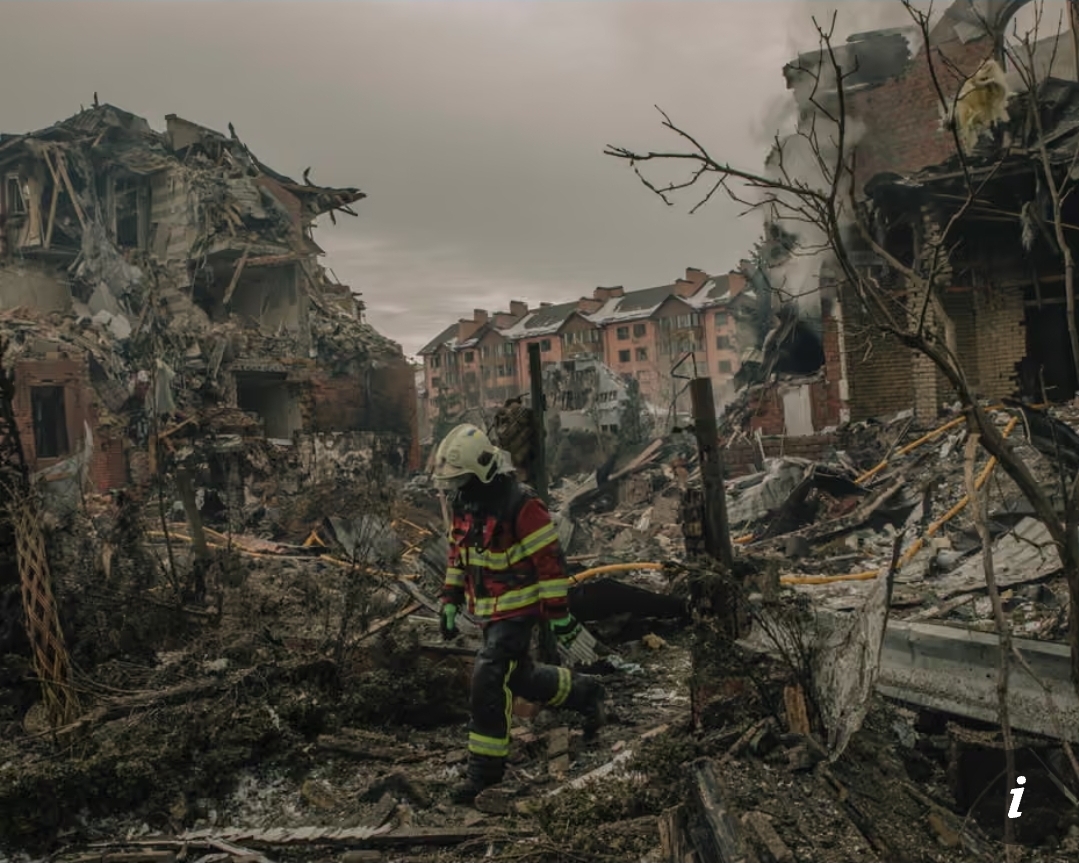
Russia’s full-scale invasion of Ukraine has now entered its fifth year, with fighting ongoing across eastern and southern Ukraine and continued missile and drone strikes on Ukrainian cities.