The European Union has approved €34 million in emergency financial assistance for Armenia to help the country’s private sector mitigate the impact of trade restrictions imposed by Russia.
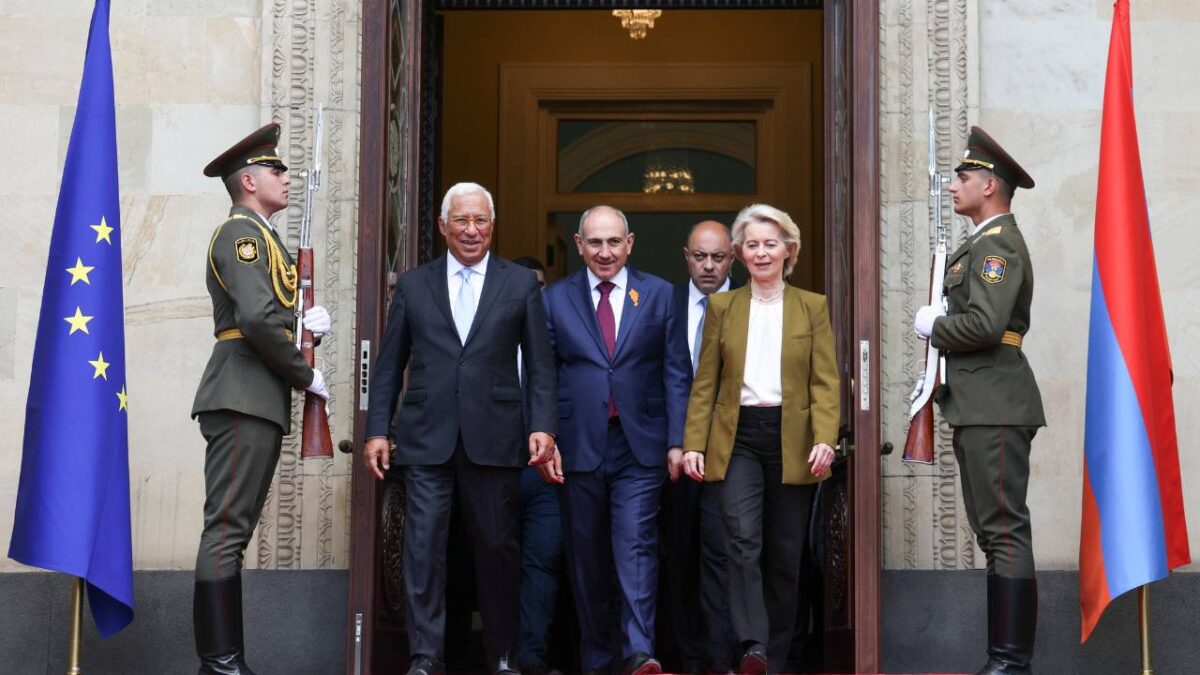
European Commission says the funding was disbursed just two weeks after a telephone conversation between European Commission President Ursula von der Leyen and Armenian Prime Minister Nikol Pashinyan, demonstrating the EU’s commitment to supporting Armenia and its citizens.
The Commission said the financial assistance represents the first tranche of a broader support package announced by von der Leyen. The initiative also includes trade facilitation and solidarity measures aimed at strengthening Armenia’s economic resilience.
“This financial assistance is the first instalment of the wider package announced by President von der Leyen. The package also includes trade facilitation and solidarity measures to strengthen Armenia’s economic resilience,” the European Commission said in a statement.
Building on commitments made during the recent EU-Armenia summit, Brussels and Yerevan will continue working to deepen business ties and expand market access for Armenian producers. The support package includes trade initiatives, business forums and targeted market measures designed to assist sectors affected by the restrictions, including agri-food products, floriculture and other export-oriented industries.
The European Commission also announced that Enlargement Commissioner Marta Kos will visit Armenia on July 5 to support the implementation of the assistance package and discuss further steps to strengthen EU-Armenia cooperation.
The move comes after Russia introduced new restrictions on Armenian exports. Since June 12, Russian authorities have banned imports of all quarantine-controlled products from Armenia and prohibited their transit through Russian territory to other member states of the Eurasian Economic Union.
Although Russia’s agricultural watchdog, Rosselkhoznadzor, has insisted that the measures are unrelated to politics, restrictions on Armenian products began amid growing political tensions between Moscow and Yerevan. Russia has previously been accused of using similar trade restrictions during periods of political disagreements with other countries.