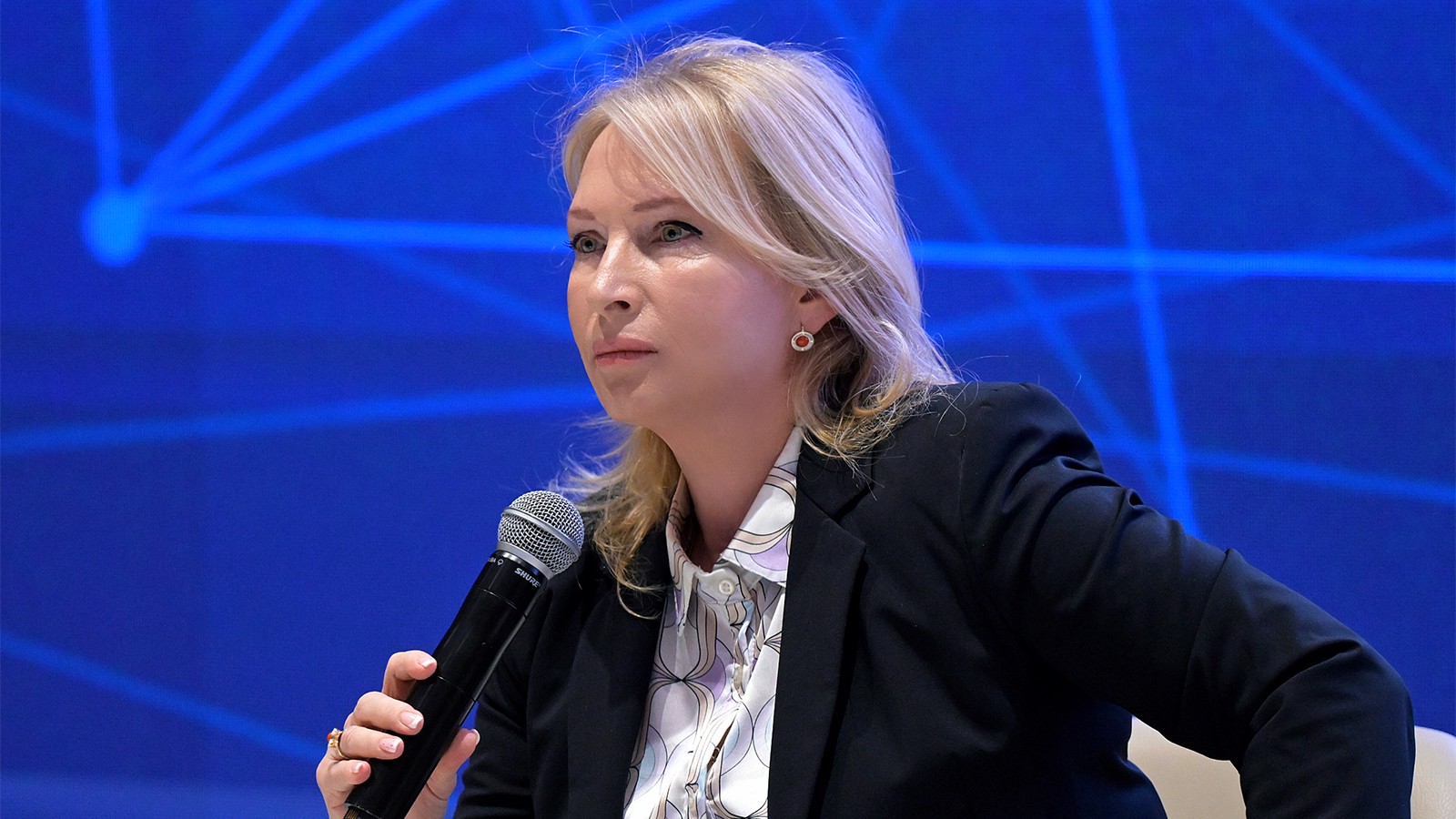
The President of the National Bank of Georgia, Natia Turnava, was the main speaker at the high-level international symposium, “Orienting in Global Financial Uncertainty: Current Processes in Financial Markets, Investment Strategies and the International Monetary System,” organized by the Central Bank of China (PBoC) and the Bank for International Settlements (BIS) in Shanghai.
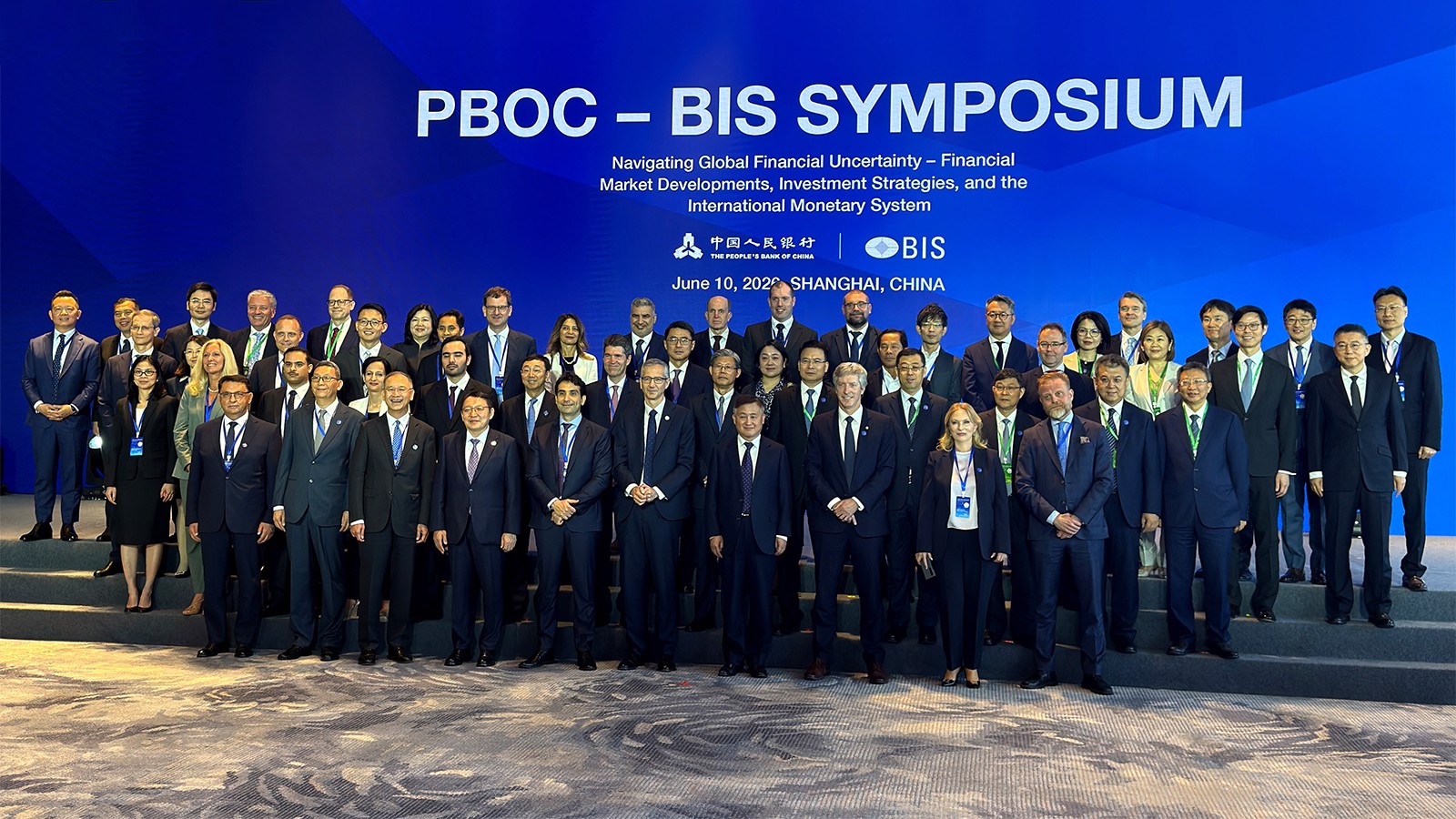
Presidents and high-ranking representatives of around 30 central banks and monetary authorities took part in the symposium, including representatives from the central banks of France, Germany, Switzerland, the United Kingdom, Singapore, Hong Kong, Brazil, Argentina, Indonesia, Saudi Arabia and Qatar.
The large-scale international event served as a platform where representatives of central banks, international financial institutions and the private sector discussed global macroeconomic and financial developments, modern reserve management strategies, prospects for the international monetary system, and current and long-term trends in financial markets.
At the first session of the symposium, “Development of Global Macroeconomic and Financial Markets,” Turnava reviewed ongoing structural changes in international financial markets, the impact of geopolitical processes on investment decisions, and modern challenges in central bank reserve management.
“Long-term trade tensions, military conflicts in the Middle East and Europe, as well as global supply chain disruptions, have significantly increased market volatility and investment risks. Today, geopolitical events are no longer just external risks – they have become economic variables that directly affect inflation, capital flows, exchange rates and investment strategies,” Turnava said.
She also noted a global trend toward diversification of reserve portfolios and growing interest in Asian capital markets.
“There are three main principles of reserve management for central banks – safety, liquidity and profitability. The importance of safety has increased significantly in recent years. That is why many central banks are trying to strengthen the stability of their portfolios and increase diversification both in terms of currencies and asset classes,” Turnava said.
Turnava also noted that investments in gold had a positive impact on the yield of Georgia’s international reserves. She said the National Bank of Georgia applies geographical and currency diversification in reserve placement, with increasing interest in Asian markets and currencies alongside traditional ones.