
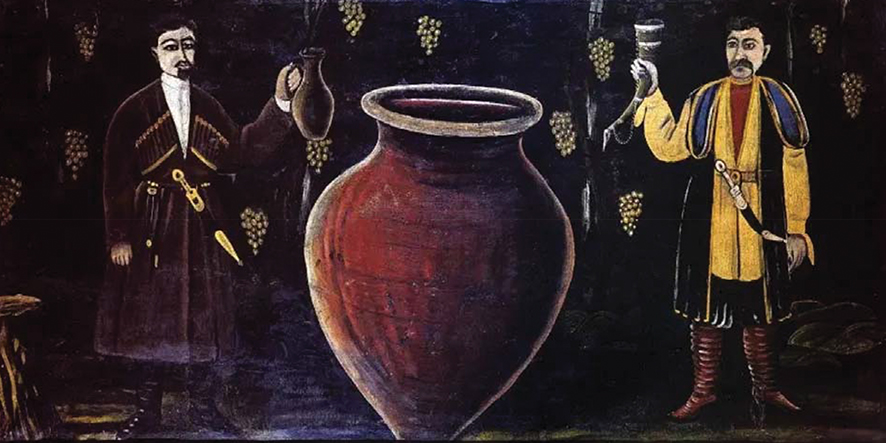
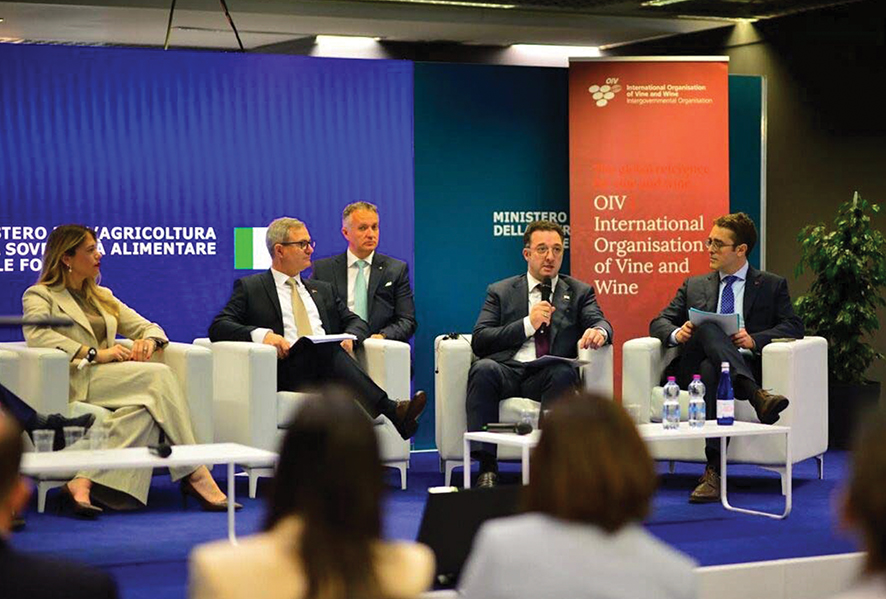
At this year’s conference hosted by the International Organization of Vine and Wine (OIV) in Paris, Georgia used the platform to underline something it has long argued: wine is not just an export product, but a core part of its national identity.
The conference, titled Recognition of the Cultural Value of Vine and Wine: International Perspectives, brought together government officials, researchers, and industry representatives to discuss how viticulture fits into cultural heritage, tourism, and economic development.
Georgia’s Minister of Environmental Protection and Agriculture, Davit Songulashvili, told participants that wine in Georgia goes far beyond agriculture or trade. He described it as something woven into everyday life and expressed through art, literature, music, film, and social traditions.
In practical terms, Georgia is trying to turn that cultural identity into economic value. The country has been steadily building its reputation in international wine markets, particularly in segments that value origin, craftsmanship, and story as much as volume.
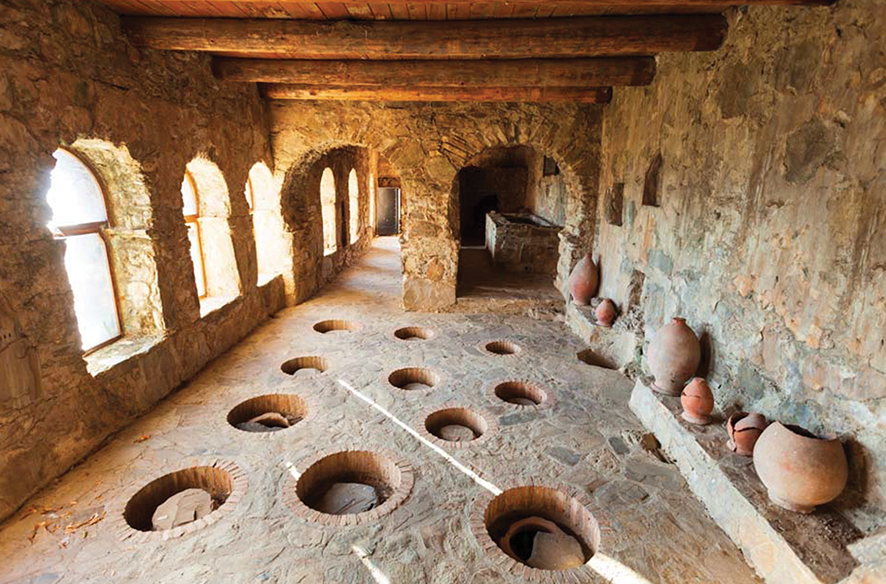
One of the world’s oldest winemaking traditions
Georgia is widely recognized as one of the oldest wine-producing regions in the world. Archeological findings suggest that winemaking in the South Caucasus dates back around 8,000 years, based on chemical traces found in ancient clay vessels.
That long history is not just symbolic: in 2013, traditional Georgian winemaking using large clay Qvevri (amphora) buried underground for fermentation and storage, was added to UNESCO’s Intangible Cultural Heritage list. The method is still widely used today, and has become a defining feature of Georgia’s modern wine identity.
For many producers, it is also a selling point. The global wine market has seen growing interest in traditional and “natural” styles of production, and Georgia’s ancient methods fit neatly into that trend.
More than 500 grape varieties
One of the key points highlighted by Songulashvili at the conference was Georgia’s unusually high grape diversity. More than 500 native grape varieties have been documented in the country, many of which are not found anywhere else.
While only a portion of these are used in commercial winemaking, the genetic diversity is increasingly seen as an important resource. It gives winemakers flexibility to adapt to changing climate conditions, and allows for a wide range of wine styles: from fresh whites to deep amber wines.
For researchers, it also represents a living library of grape genetics that could be important for future agricultural resilience.
Small producer, growing global presence
In global terms, Georgia is still a small wine producer compared with countries like France, Italy, or Spain. But it has been steadily increasing its presence in export markets, especially in the European Union, the United States, and China.
Rather than competing on volume, the country has focused on differentiation. Georgian wines are often marketed around authenticity, ancient tradition, and unique production methods, which appeals to consumers looking for something distinct from mainstream offerings.
Industry analysts say this positioning has helped Georgia carve out a niche in the premium and specialty wine segments, where storytelling and heritage carry real weight.

Wine as culture and tourism
The government is also linking wine more closely with tourism. Events like Georgian National Wine Day, held annually on May 8, are designed to bring international visitors into the country’s wine regions and showcase both production methods and rural landscapes.
At the conference, Songulashvili invited international wine enthusiasts to visit Georgia for the upcoming celebration, framing it as an opportunity to experience the country’s wine culture firsthand rather than only through exports.
As global wine markets continue to evolve, Georgia’s message at the OIV conference was straightforward: it wants to be seen not just as a producer, but as one of the foundational cultures of wine itself, with a living tradition that still plays a central role in modern economic development.
By Team GT