The Food and Agriculture Organization of the United Nations (FAO), in cooperation with Georgia’s National Food Agency (NFA), has completed a three-day training program designed to strengthen disease surveillance and biosecurity in the country’s aquaculture sector.
The program, held in Tbilisi and two fish farming regions, brought together regional veterinarians, officials from Georgia’s Ministry of Environmental Protection and Agriculture, fish farmers, and other industry representatives. The training was led by FAO international aquaculture expert Dr. Ruth Garcia.
The sessions focused on the use of the National Animal Identification and Traceability System (NAITS) and the Farm Management System (FMS), two digital platforms being adapted to improve health monitoring, traceability, and disease management in aquaculture.
The first day included a seminar at the National Food Agency, where participants discussed biosecurity measures, disease surveillance, early detection of aquatic animal diseases, sample collection, and laboratory transport procedures. Participants also reviewed ways to improve the epidemiological investigation questionnaire currently used by the agency.
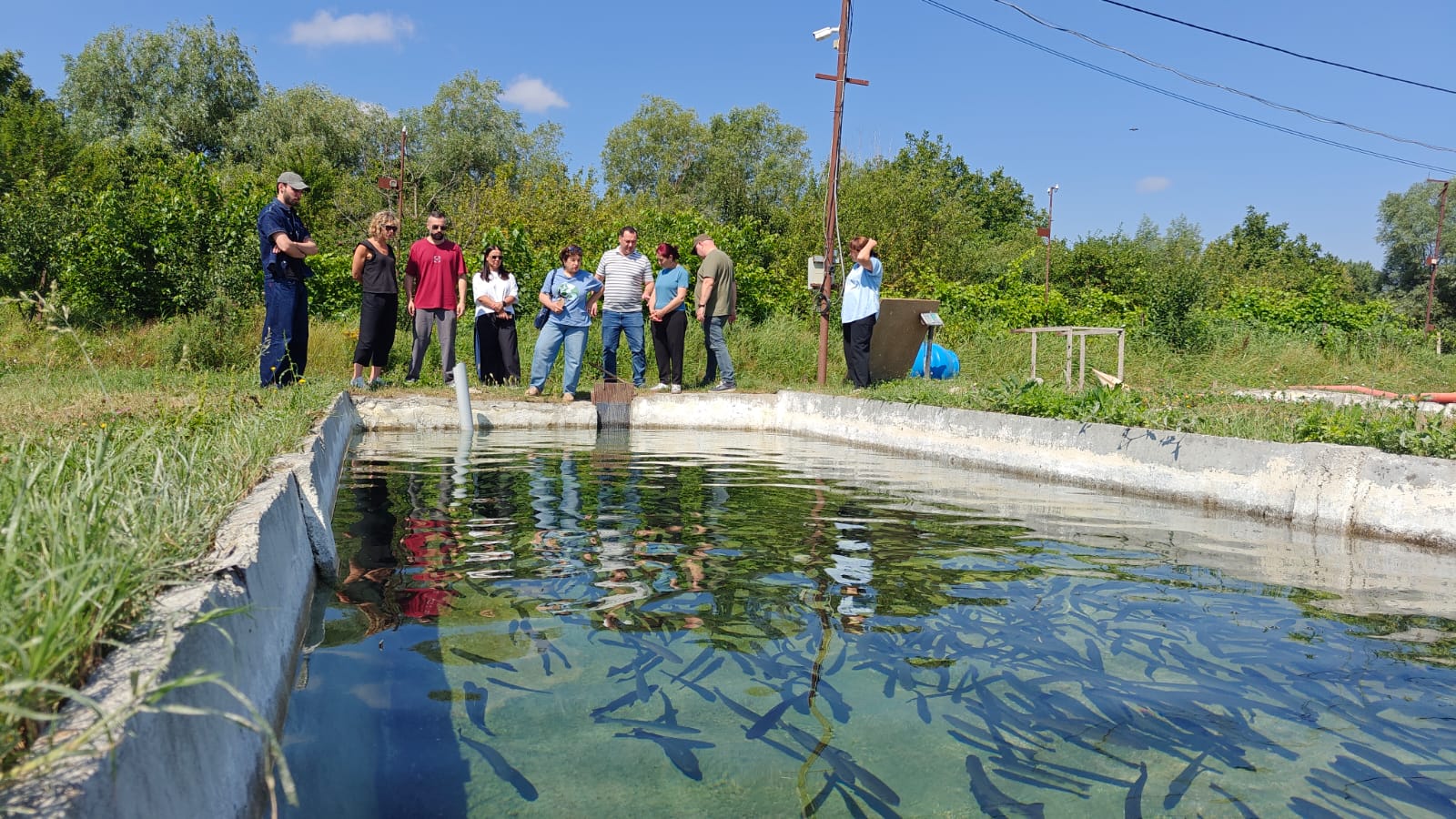
The practical component of the training took place at a trout farm in Variani, Gori Municipality, where participants assessed fish health, monitored water quality, evaluated biosecurity practices, and practiced collecting and transporting samples. They also carried out a simulated response to a disease outbreak using the NAITS and FMS systems.
“NAITS and FMS are being adapted to give state inspectors and farmers a shared, reliable system for monitoring aquatic animal health from farm to table,” said Mikheil Sokhadze, FAO Project Manager. “Strengthening this capacity is a key step toward more effective production, traceability and disease monitoring in Georgia’s aquaculture sector.”
The final day was held at pond aquaculture farms in Tsnori, Kakheti, where participants applied the same methods to warm-water fish farming. The exercises included water quality monitoring, simulated epidemiological investigations, and safe sample transportation.
FAO says the feedback gathered during the training will help finalize the technical specifications of the aquaculture modules within NAITS and FMS. Once completed, the systems are expected to support the registration, identification, traceability, health monitoring, and biosecurity management of aquaculture farms, strengthening state oversight and supporting the sustainable development of Georgia’s fish farming industry.
The project is implemented by FAO in cooperation with the National Food Agency with financial support from the Swiss Agency for Development and Cooperation (SDC) and the Austrian Development Agency (ADA) as part of International Partnerships Austria.