
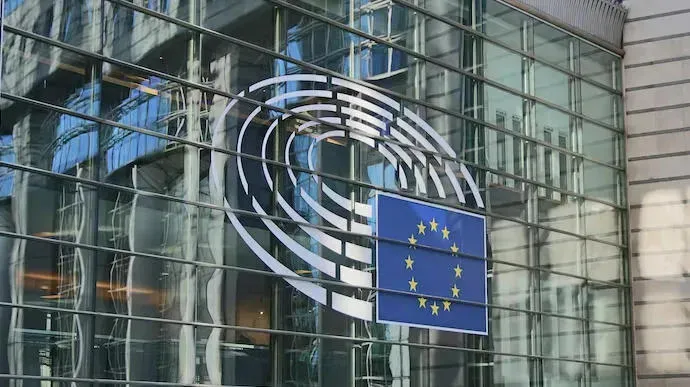
The European Parliament Committee on Foreign Affairs has adopted its annual report on Georgia, highlighting concerns over democracy, rule of law and the country’s European integration path.
European Parliament report says the report was backed by 53 Members of the European Parliament (MEPs), while 14 voted against.
“The report focuses on the European Parliament’s main concerns regarding the state of democracy, the rule of law and European integration in Georgia,” the explanatory statement says.
The draft document expresses “full solidarity” with the Georgian people, who it says “continue to fight for a European and democratic Georgia against the backdrop of democratic backsliding, increasing repression, relentless hostile rhetoric, disinformation and threats.”
It also states that the ruling Georgian Dream party “has not only stopped, but actually changed the course of Georgia’s European integration.”
The report emphasizes the importance of targeted personal sanctions imposed by the European Union and its member states against Bidzina Ivanishvili, as well as key Georgian Dream leaders, judges, prosecutors and other officials. Based on the document, such measures are seen as an important tool against impunity in cases involving democratic backsliding, electoral irregularities, human rights violations and the persecution of political opponents and activists.
The European Parliament welcomes the fact that, in the absence of unanimity at the EU level, a growing number of member states have introduced individual sanctions against Georgian officials, and calls on others to follow suit.
The report also welcomes the launch of the “Moscow Mechanism” by the Organization for Security and Co-operation in Europe, initiated by 24 participating states.
In addition, the document refers to a proposal by the European Commission to suspend visa-free travel for holders of Georgian diplomatic, service and official passports across the EU, citing breaches of fundamental values. It notes that broader EU-wide visa bans targeting Georgian officials have not been adopted due to opposition from Hungary and Slovakia.
The report also warns that continued inaction by the Georgian authorities could eventually lead to the suspension of visa-free travel for the wider population, for which it says the ruling party would bear responsibility.









