Tensions between Iran, Israel, and the United States escalated sharply this week, with direct exchanges of missile fire, airstrikes across multiple fronts, and brief, fragile pauses in fighting that quickly began to unravel.
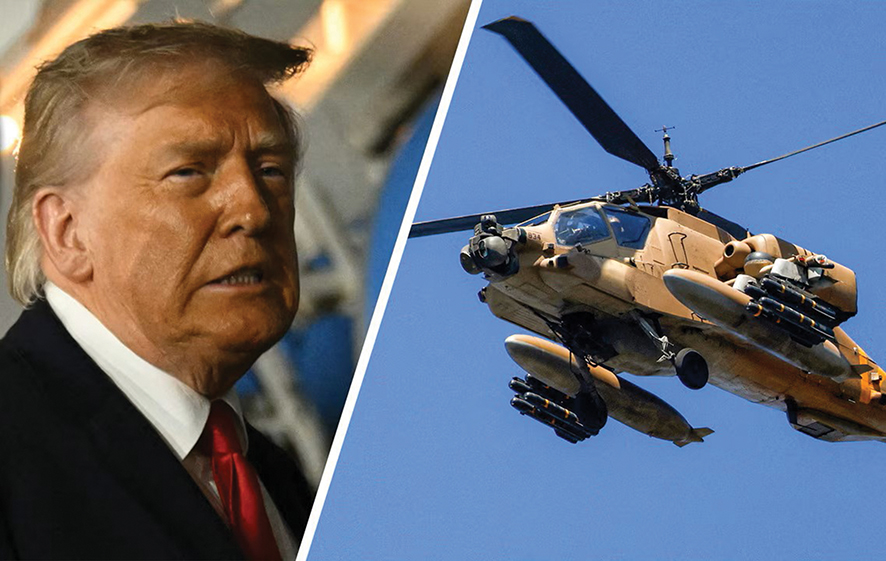
The crisis intensified when a US Apache helicopter went down during a patrol near the strategic waterway after being hit by enemy fire. President Donald Trump later confirmed the loss of the aircraft and said the US “must respond,” authorizing retaliatory strikes shortly afterwards.
US forces carried out a series of airstrikes on Iranian military infrastructure, which Washington described as self-defense operations. The strikes prompted Iran to launch missile and drone attacks on US military positions across the region, including bases in Kuwait, Bahrain, and Jordan. Most of the incoming projectiles were intercepted, and officials reported no major casualties, but several countries briefly raised alert levels.
The Strait of Hormuz quickly became the central flashpoint. Iran initially claimed it was closing the waterway and threatened to block all shipping traffic, raising concerns about global energy supplies.
However, US Central Command later stated that commercial shipping continued to move through the strait, directly contradicting Iranian claims, even as the area remained heavily militarized and tense.
In reaction to the escalation, UN Secretary-General António Guterres warned that the situation was spiraling dangerously, saying: “The Middle East is being pulled deeper into crisis and the consequences reach far beyond the region… We should not minimize the risks of lesser fire becoming full fire. All parties must work towards a diplomatic settlement. No more attacks. No more excuses.”
In Washington on Wednesday, President Donald Trump linked the latest wave of US strikes to stalled negotiations with Iran, saying, “We’re going to be attacking them, attacking them very hard.” He also stated, “We hit them hard yesterday, and we’re going to hit them again hard today,” while warning that Iran would “pay the price” if it continued to delay a diplomatic agreement.
Israeli Prime Minister Benjamin Netanyahu maintained that ongoing strikes were necessary responses to Iranian actions and regional proxy activity, keeping Israel closely aligned with US coordination efforts.
By Team GT