Tensions involving Iran, the United States and Israel remained high this week, marked by a fragile mix of diplomatic efforts, military incidents and regional security concerns. While indirect negotiations between Washington and Tehran appear to be moving forward, renewed confrontations in and around the Strait of Hormuz and continued Israeli military activity in the region have kept fears of escalation alive.
One of the key developments this week was growing discussion of a possible US–Iran arrangement aimed at easing hostilities and reopening maritime routes in the Strait of Hormuz, a strategically vital shipping corridor disrupted by months of conflict. Based on the international media reports, mediators from Oman and Qatar continue efforts to bridge remaining disagreements, though no final agreement has been reached. Iranian officials have reportedly linked progress to broader economic issues, including access to frozen assets and sanctions relief.
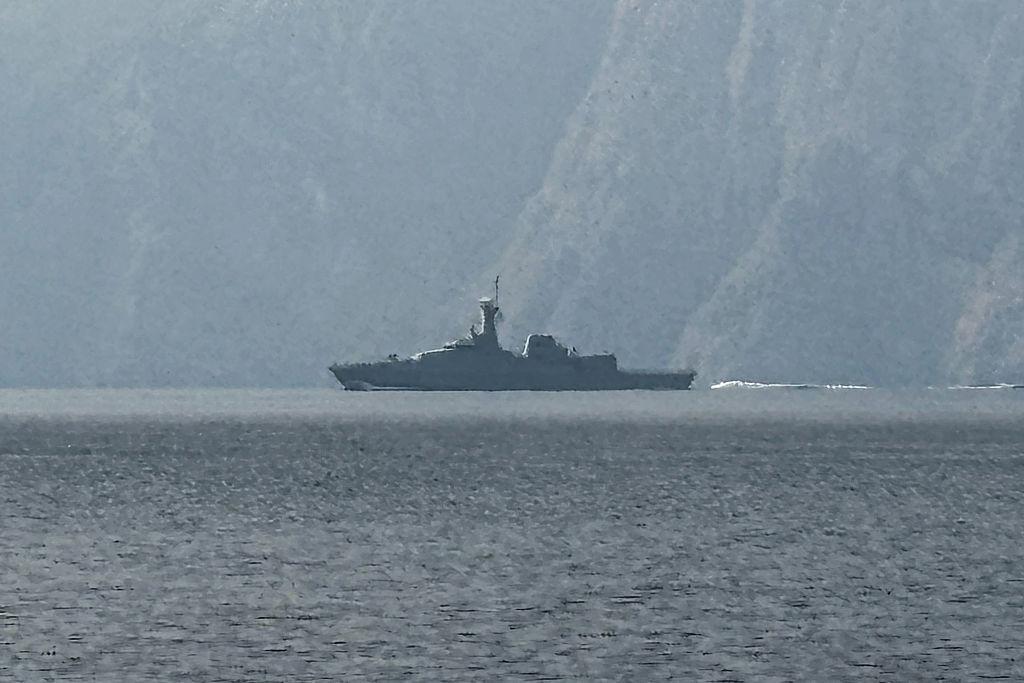
At the same time, military tensions flared again after the United States carried out what it described as “defensive” strikes against Iranian vessels and military-related targets in the Hormuz area, claiming they posed threats to maritime security and US forces. Tehran accused Washington of violating the ceasefire framework and vowed retaliation, warning against further military pressure.
Israel, meanwhile, continued operations linked to regional security concerns, particularly in Lebanon, where fighting involving the Iran-backed group Hezbollah intensified this week. Israeli airstrikes and expanded military operations have added pressure to already fragile ceasefire efforts and complicated broader diplomatic negotiations involving Iran.
Economic repercussions also remained visible. Global oil prices fluctuated sharply this week amid uncertainty over Hormuz shipping routes and the risk of renewed escalation. Markets briefly surged after Iranian threats of retaliation but later eased as hopes for diplomacy gained momentum. Analysts say developments in US–Iran talks are now a major factor influencing energy markets.
Despite ongoing tensions, both Washington and Tehran have signaled that diplomatic channels remain open, raising cautious optimism that a broader confrontation between Iran, the United States and Israel may still be avoided. However, regional instability and military incidents continue to threaten progress.