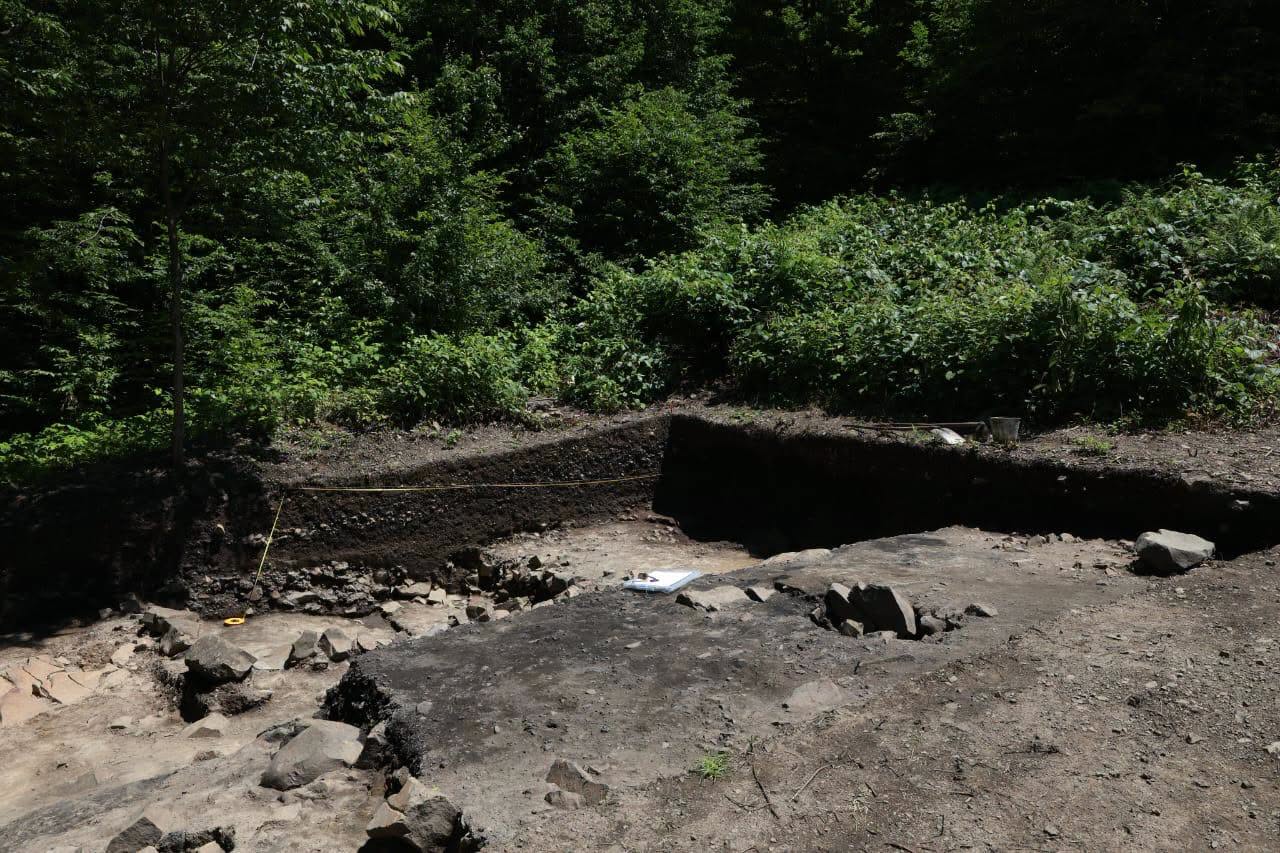
Archaeologists have uncovered a 3,000-year-old metallurgical production complex in the village of Doghurashi, Tsageri Municipality, shedding new light on Georgia’s Bronze Age metal industry.
The discovery was made during excavations led by the Georgian National Museum in collaboration with researchers from the United Kingdom, Israel, and Italy.
The metal-smelting complex dates to the 13th-9th centuries BC, based on analysis conducted by the University of Oxford laboratory. The Georgian National Museum said it is the largest Bronze Age metallurgical workshop of its kind discovered to date in the ancient region of Colchis and provides valuable insight into early metal production techniques.
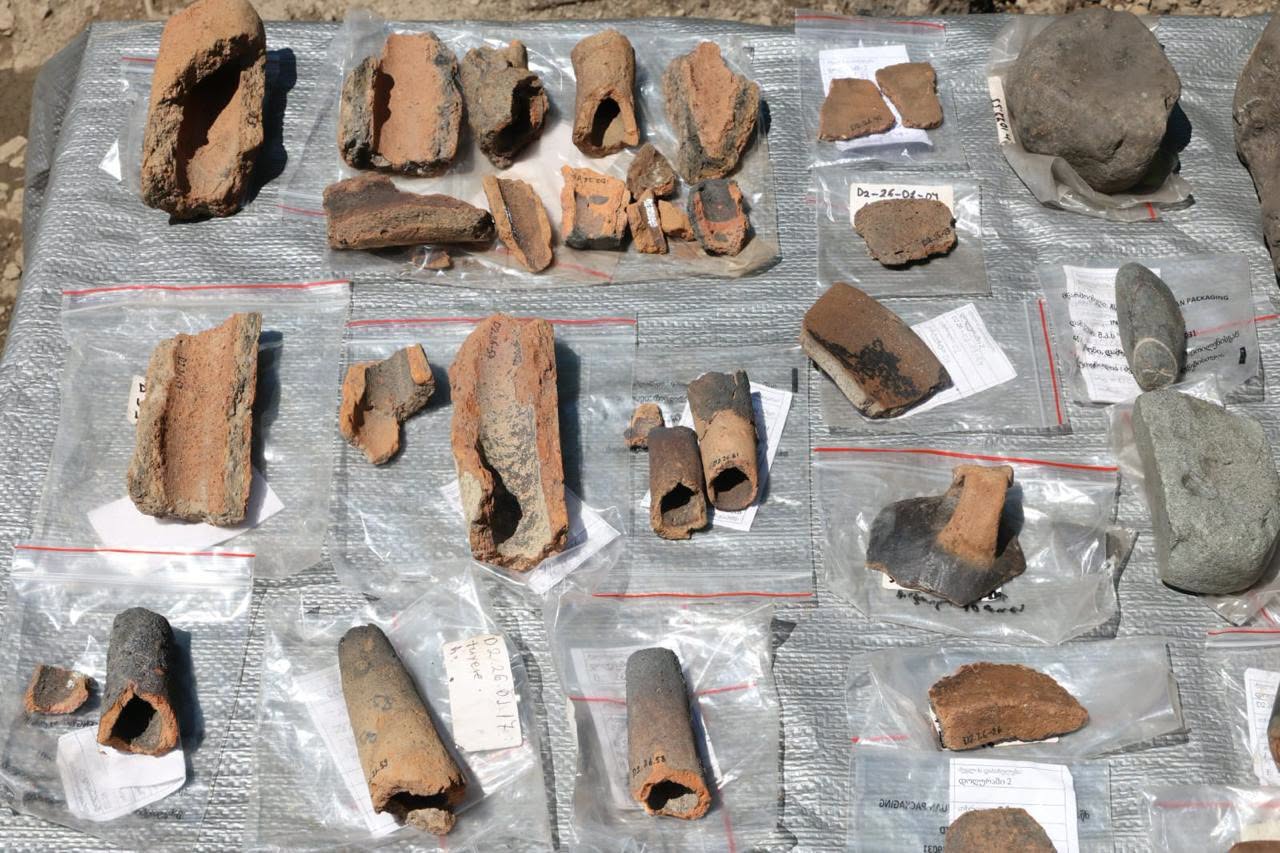
Researchers say the discovery reinforces evidence that Lechkhumi was one of the major metallurgical centers of mountainous Colchis during the Late Bronze and Early Iron Ages and played a significant role in copper production across the Caucasus.
The archaeological expedition is supported by Georgia’s Ministry of Culture and is led by archaeologist Nana Rezesidze. Research on the ancient copper workshops is headed by historian Nino Sulava, with participation from Georgian and international specialists.
The site was visited by Georgian National Museum Director General David Lordkipanidze, State Representative in Racha-Lechkhumi and Kvemo Svaneti Papuna Margvelidze, local officials, and invited guests.