I am not even sure if a talk about leisure, tourism, vacation, and things like that could be taken as morally acceptable when so many innocent civilians and soldierly folks are dying around the world in the ongoing stupid, degrading wars. Calling it ‘Hot Spots’ on the globe is no longer relevant – the whole planet is red-hot. Meanwhile, people are still insisting on travelling to enjoy life via tourism.
Isn’t it weird that tens of thousands are falling on the battlefield of bullets and shrapnel, and the self-same tens of thousands are basking in the sun, enjoying exotic foods and drinks, and all the rest of the remaining pleasurable amenities? Why are some of us so lucky and some so inevitably miserable? The answer is simple – the world, as we know it, has never been and will never be fair and reasonable. That’s why!
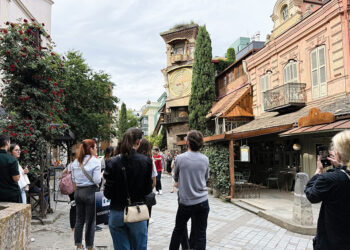
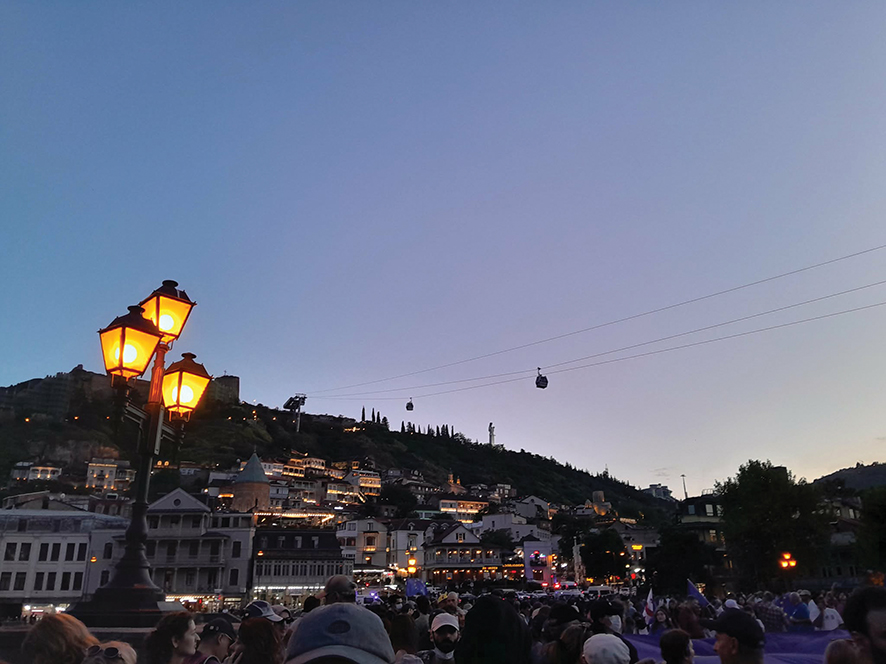
This brief apologetic introduction should serve as an excuse for further talk about a good thing like tourism in Sakartvelo. Recently, Tbilisi hosted a wide-scale three-day international forum, titled ‘B2B Summit by Tarifa’, which gave a chance to local private sector representatives to meet their potential European partners. It has greatly helped the Georgian tourism industry to be better recognized in the rich European market.
40 Georgian companies participated in this significant professional get-together. According to the officially published information, the Georgian tourism industry hosted 7.8 million international visitors in 2025 (among them, 1.5 million were from Russia), with revenue reaching 15 billion GEL. The traditional European sources of tourism were expected to be shifting away toward Asia, especially China and India, even Israel, Saudi Arabia, and Iran, but now, as the situation has become precarious in the Middle East, having a negative effect on the entire world of travel, it’s difficult to predict the potential drawback in the field.
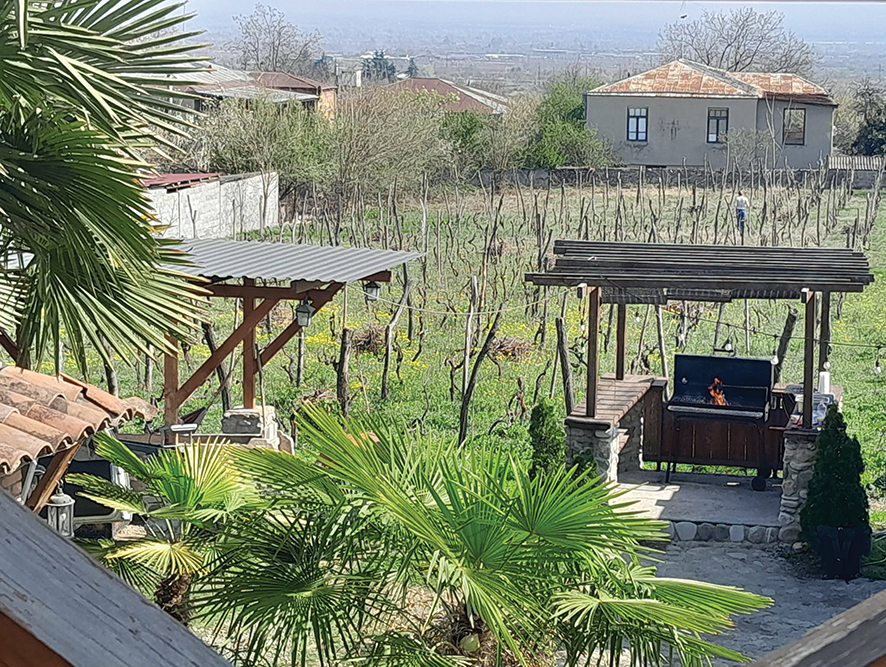
Concerning the capital city of Tbilisi, it is experiencing strong performance in hotel occupancy. The mountain resorts are also well packed with visitors. Meanwhile, the government is concentrating on infrastructural improvements like reconstructed and expanded highways, new flights, and tourism-related construction, repairs, and maintenance.
The bad news, though, is that the tourism industry, as in any other country in the world, here too is faced with risks from current and potential political instabilities, notwithstanding the irrefutable fact that Georgia has maintained peace and relevant stability over the last fourteen years, which has made it possible to diversify visitor origins, upgrade service quality, and attract higher-spending tourists. Hence, the tourism sector remains a decisive contributor to Georgia’s GDP despite the need for further development and diversification.
It is also notable that the service sector and leisure industry in Georgia are deeply interconnected, with tourism acting as a primary driver of economic growth, employment, and investment. The hospitality sector, encompassing accommodation, transportation, and dining, relies on Georgia’s unique cultural and natural attractions to create leisure experiences.
As tourist arrivals increase, there is a strong focus on improving service quality, highlighting the need to match high-end international service standards to maintain a competitive advantage
It is more than natural that the fast-growing tourism industry in this country is tending to give birth to strong demand for a high-quality service sector, including hotels, restaurants, and means of transportation. Cooperation between tourism and hospitality sectors is instigating noticeable economic and financial advantages, creating new jobs and attracting serious investments into infrastructure and services.
The development of leisure activities, be it winter sports or wine tours, is intertwined with the endeavors of service providers, such as local tour operators and hospitality providers that offer attractive eateries as well as standard board and lodging. Tourism in Sakartvelo is prioritized as a core economic driver, enhancing the overall standard of living.
As tourist arrivals increase, there is a strong focus on improving service quality, highlighting the need to match high-end international service standards to maintain a competitive advantage. The sector is shifting from basic accommodation to experiential leisure, including wellness, culinary, and wine tourism, which demands a higher level of integrated service.
The industry’s growth is sensitive to regional stability and geopolitical factors. For instance, the Middle East conflict has the potential to heavily impact Georgia’s tourism, with high-spending markets like Israel and the Gulf states facing disturbances. Notably, cancellations reached 60–70% for early 2026, creating immediate losses in tourism revenue.
However, it is presumed that some demand might still be looming (to put it as carefully as possible) from the Middle East to Georgia for the summer of 2026. A powerful interruption took place in early 2026, impacting the Israeli market, which is a major contributor to Georgia’s tourism revenue. Traveler nervousness in the region and deteriorated self-confidence have resulted in reduced demand.
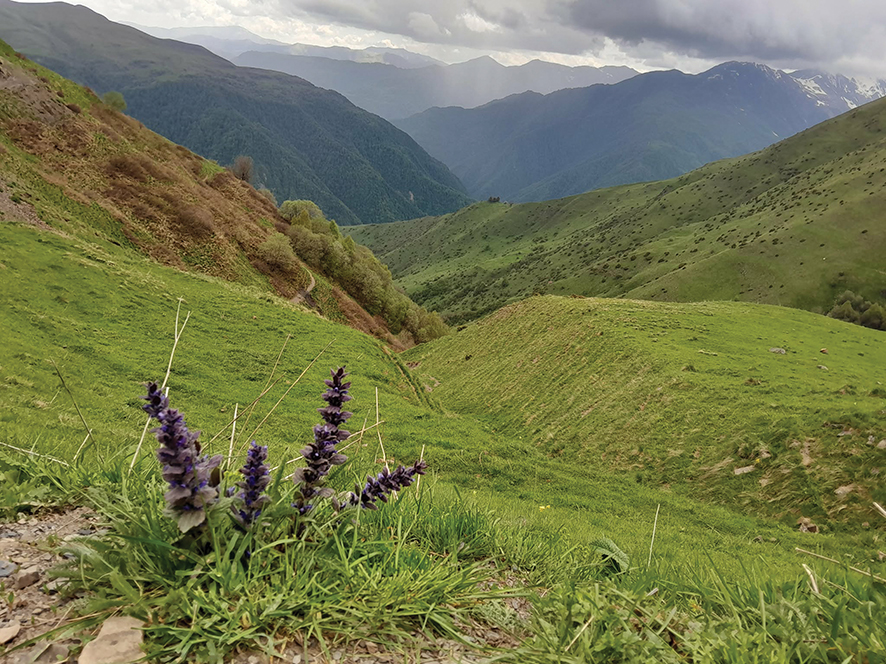
Surely, European visitors may hesitate to take trips due to proximity to the conflict. To cut a long story short, the initial, direct impact is negative. And yet, some tourists are trying to avoid the Middle East by means of rebooking to safer or alternative destinations, which, as a result, could give a certain advantageous position to Georgia in late 2026.
In a word, the immediate outlook is challenging because of tour cancellations by high-spending tourists from the Middle East, whereas some financially gainful tourism flow could, in reality, be redirected towards Sakartvelo, depending on the way the war continues, or rather, stops altogether.
This way or that, the Georgian tourism and leisure business is hanging in there quite vigorously, and might reach totally unexpected heights. So help us God!
Blog by Nugzar B. Ruhadze