The de facto Foreign Ministry of Abkhazia has claimed that Nauru’s decision to sever diplomatic relations with the occupied Georgian region was made under “unprecedented and systematic external pressure” and described the move as being of a “coercive nature.”
In a statement, the de facto ministry said that after Nauru recognized Abkhazia’s independence on December 15, 2009, the two sides established diplomatic relations and developed what it described as a constructive political dialogue and a legal framework for bilateral cooperation. It said high-level reciprocal visits had strengthened ties and paved the way for joint projects and initiatives.
De facto authorities say Georgia and its Western partners consistently opposed the development of relations between Abkhazia and Nauru. The statement alleges that once bilateral initiatives entered a practical stage, Nauru became the target of an “aggressive campaign of external pressure,” including political blackmail, diplomatic pressure, financial and economic coercion, and sanctions aimed at forcing the Pacific island nation to reverse its recognition of Abkhazia.
The de facto ministry cited remarks previously made by former Nauruan President Baron Waqa during a visit to Abkhazia, claiming he had publicly spoken about unprecedented pressure on Nauru following its recognition of Abkhazia, including alleged attempts to influence the country’s decision through financial means.
The statement further claimed that previous Nauruan governments had repeatedly reaffirmed their commitment to the principles of sovereign equality and the independent conduct of foreign policy. It argued that Nauru’s decision to terminate diplomatic relations was the direct result of prolonged political and diplomatic pressure intended to restrict Abkhazia’s international ties.
The de facto ministry also asserted that states maintaining diplomatic relations with Abkhazia, particularly smaller countries with limited political and economic resources, have long faced external pressure. It said such practices contradict fundamental principles of the UN Charter, including sovereign equality and non-interference in internal affairs, adding that “pressure, threats, economic coercion, and artificial isolation” cannot change political realities.
The statement concluded by saying that Abkhazia would continue pursuing what it described as the strengthening of its international standing, the protection of its national interests, and mutually beneficial cooperation with states that, in its view, respect the principles of sovereign equality, mutual respect, and international law.
The statement followed Nauru’s decision to terminate diplomatic relations with the occupied Georgian regions of Abkhazia and South Ossetia.
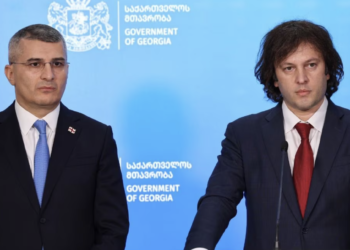
Georgia’s Foreign Ministry welcomed the move, saying Nauru’s Cabinet had decided on July 21, 2026, to revoke diplomatic relations with both entities.
“The decision once again confirms that respect for and adherence to international law are the foundation of healthy international relations,” the ministry said.
The ministry also expressed Georgia’s readiness to establish diplomatic relations with the Republic of Nauru and to develop bilateral cooperation based on shared interests.
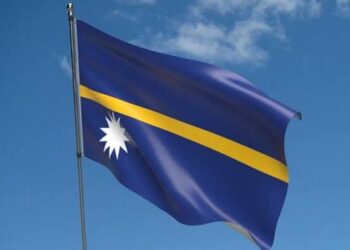
Nauru, a Pacific island nation with a population of around 10,000, recognized the independence of Abkhazia and South Ossetia following the 2008 Russia-Georgia war.
In 2017, then-US President Donald Trump signed legislation prohibiting US financial assistance to any country that recognizes the independence of Abkhazia or South Ossetia and establishes diplomatic relations with them. The law also directs the United States to oppose loans, credits, guarantees, or other forms of international financial assistance for programs that violate Georgia’s territorial integrity.
As a result, Nauru, which had previously benefited from assistance provided through US-funded international organizations, became ineligible for such financial support under the legislation.