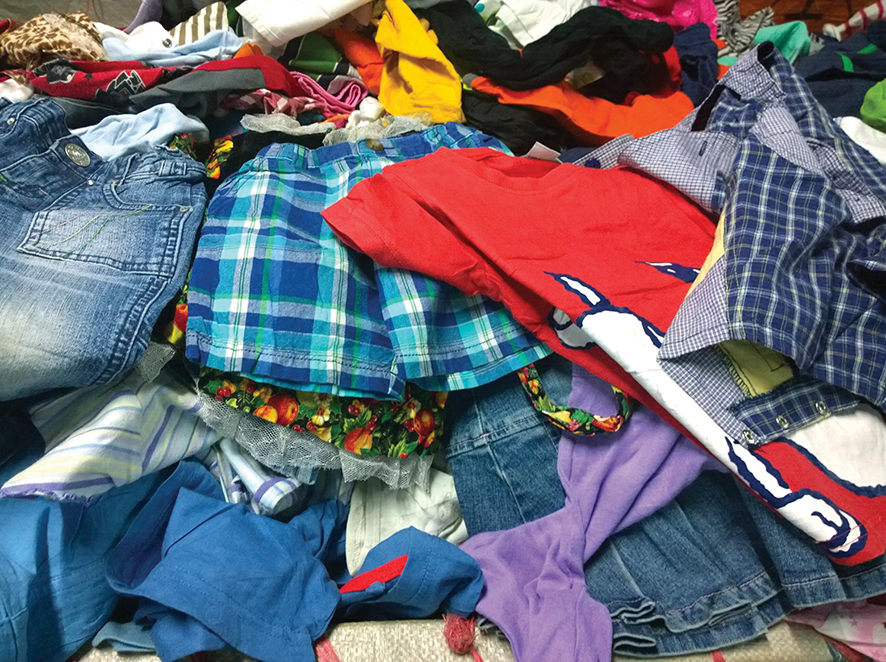
Large companies across the European Union are now prohibited from destroying unsold clothing, footwear and clothing accessories under new rules aimed at reducing waste and promoting a more circular economy.
The ban, which took effect on July 19 under the Ecodesign for Sustainable Products Regulation (ESPR), requires businesses to prioritize selling, donating or preparing unsold goods for reuse instead of discarding them. Medium-sized companies will be subject to the same requirements from 2030, while small and micro-businesses are exempt.
The European Commission said the measure is intended to prevent the unnecessary waste of valuable resources used to manufacture new products and reduce greenhouse gas emissions associated with their disposal.
“By encouraging reuse, repair and more resource-efficient business practices, the new rules support the transition to a more circular and competitive European economy,” the Commission said.
Under the regulation, companies must first attempt to keep products in circulation by selling them, including through discounts or alternative markets, donating them to charities or social enterprises, or preparing them for reuse through repair, refurbishment or remanufacturing.
The destruction of unsold goods will only be permitted in limited circumstances, including where products are unsafe or damaged, are counterfeit or infringe intellectual property rights, or have been rejected by charities or donation schemes. In such cases, businesses must comply with the EU’s waste treatment hierarchy, which gives priority to recycling.
Companies using these exemptions will be required to provide evidence, such as documentation or test results, and publish annual reports detailing the products they have destroyed.
National authorities will enforce the rules and may impose fines on businesses that fail to comply.
Companies must retain relevant records for five years to facilitate inspections, while reporting requirements have been streamlined through the use of existing customs and logistics codes.
The ban is one of the first measures introduced under the ESPR, which entered into force in 2024 and establishes EU-wide requirements to make products more durable, repairable, recyclable and resource-efficient.
Textiles were chosen as the first product category covered by the measure because of the sector’s significant environmental impact. According to the European Environment Agency, between 4% and 9% of all textile products placed on the European market are destroyed before they are ever used, amounting to an estimated 264,000 to 594,000 tons of textiles each year.
The Commission said the rules were developed following consultations with businesses, non-governmental organizations and industry experts to ensure they are practical while avoiding unnecessary administrative burdens.
By Team GT