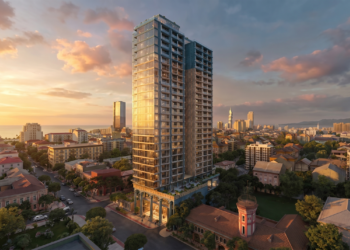
One of the clearest trends in Tbilisi’s real estate in recent years has been the growth of the Lisi area. Analysts point to the abundance of new projects, the quality of the setting, and the location’s rising potential, all of which make this zone attractive for investment.
Lisi’s Transformation: A New Urban Center Takes Shape
For years, Lisi was seen only as a recreational area on the city’s edge. Today it is becoming one of Tbilisi’s most promising residential locations. Infrastructure growth and the arrival of major commercial venues turned the area into an active urban hub, and the sharp rise in demand is most visible in the housing segment.
Market analysis shows that new apartments around Lisi gain value far faster than in the city’s traditional, already crowded districts. Several factors drive this, chiefly the calmer planning and the ecological advantage.
That is why pragmatic buyers who invest in Georgia are especially drawn to Lisi, making decisions with financial stability and asset growth in mind. A home here is now a considered step, tied at once to long-term financial interest and a modern standard of living.
Chronometri: Investment Value Built on Experience
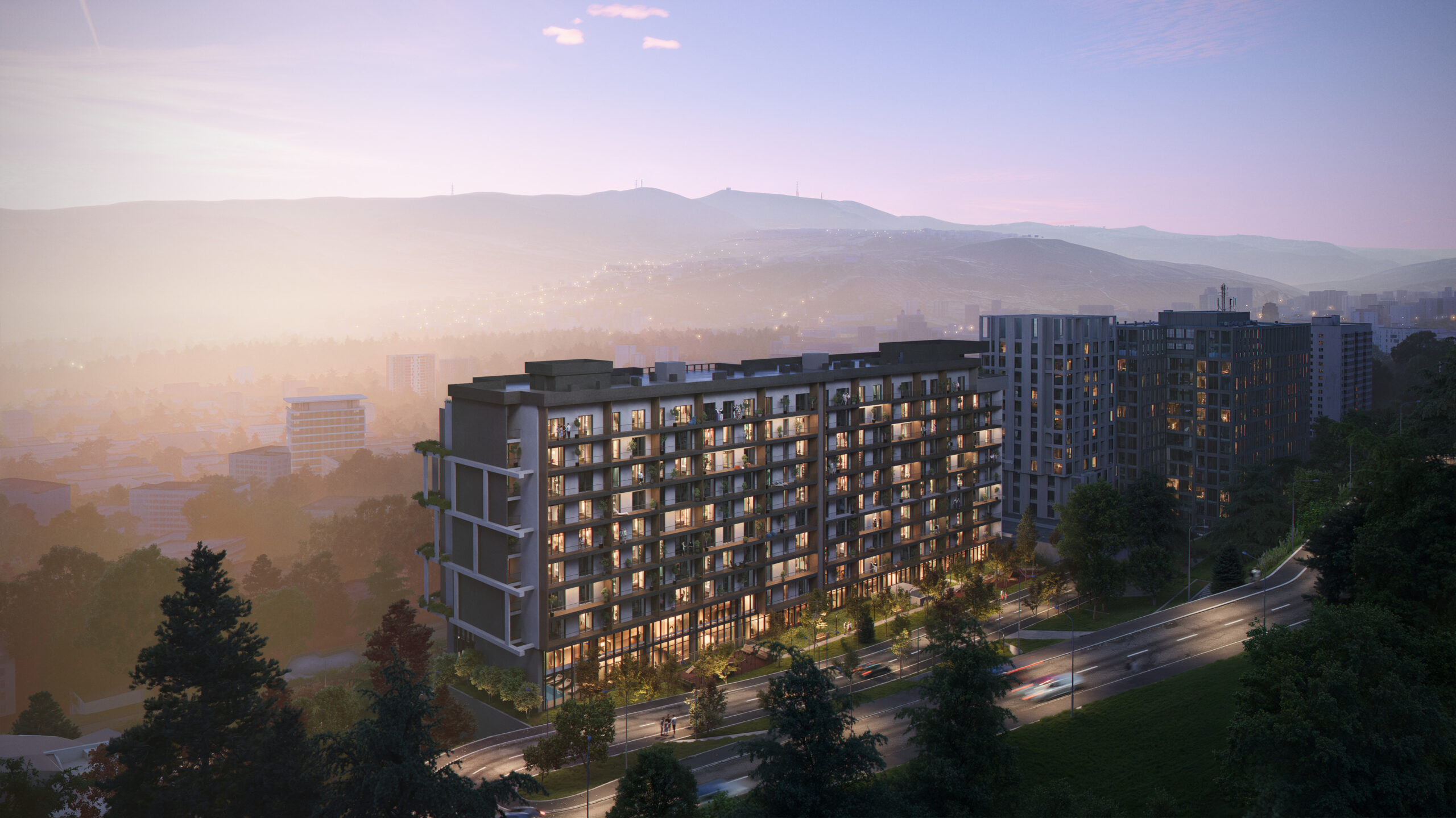
Alongside location, the popularity of Lisi rests on the functional depth of its residential projects, where architectural vision and engineering precision complement each other. In response, the developer Chronometri sets a new standard of living on Lisi. Its Business Class Residential Complex is built to be a model of solidity and refined design, the precondition for a predictable, quality investment.
The company answers the challenges of reliability and meeting deadlines. The 2024 to 2027 construction cycle fully follows international norms, a key factor in how prices are formed in the business-class segment. When a buyer chooses a Chronometri apartment on Lisi, that decision rests first on the transparent process and guarantees that modern development demands.
Technical and architectural choices strengthen the appeal further. The materials and structural standards focus on durability and energy efficiency, and market practice shows these features connect directly to resale potential. Most important, the planning delivers functional comfort: sensible distribution of space, well-organized common zones, and integrated infrastructure create a setting in demand both for living and for renting.
Why Business Class Protects Capital
Different segments react differently to economic cycles. Observation shows demand for high-class housing fluctuates less, because decisions here rest more on quality and environment than on price alone. For that reason, the business class category is often seen as a steadier choice for those who value capital over the long term. Its value also depends on the project’s substance: when a living space is multifunctional, its usage potential rises, and new apartments in such projects answer both residential and investment interests.
Infrastructure as a Guarantee of Price Growth
In Chronometri’s case, the infrastructure that adds daily, practical value carries particular weight. The project includes two-level parking and business spaces, while the company Bene takes responsibility for managing the complex. That means residents enjoy complete services at all times, whether security, cleaning, concierge, or technical support.
This management model keeps common areas and engineering systems under constant control. As a result, the building holds its function and appearance for years, which matters greatly in this segment. Such a standard is still rare on the Tbilisi market, so projects of Chronometri’s type are often considered scarce products.
Investment Real Estate and the Value of a Timely Decision
The core principle of the market stays constant: the highest return usually follows a decision made at the right time. While a project is still under construction, a buyer acquires property at a relatively low price, and its value shifts to another level once the work is complete. By this logic, Investment Apartments in Tbilisi are seen as a long-term decision built on steady growth.
Timing matters most where urban development is in an active phase. An investor who decides early is buying future potential. Market dynamics also show that new projects in developing locations stand out for a high pace of price growth, shaped above all by location, project quality, and infrastructure.