
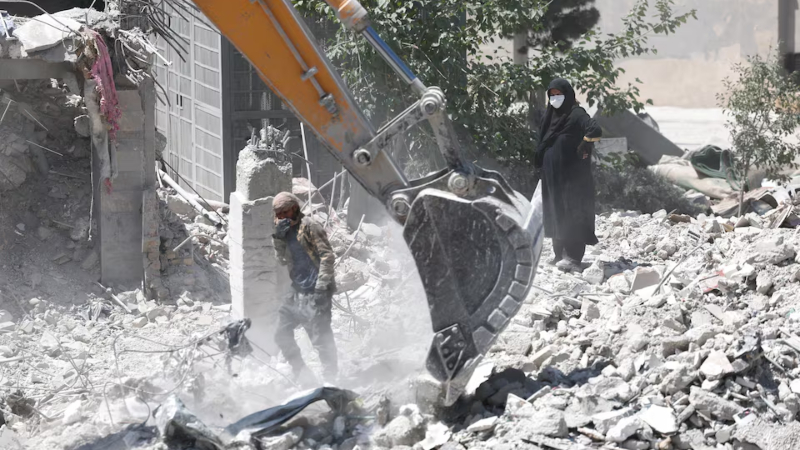
Israel said it carried out airstrikes against targets at the Mahshahr petrochemical complex in southwestern Iran, marking the first reported attack on an energy facility inside Iran since a ceasefire between the two countries took effect on April 8. Iranian officials confirmed that parts of the facility were damaged.
Iranian media reported that the strike targeted facilities in the Mahshahr area of Khuzestan Province, one of Iran’s key energy and petrochemical hubs. Video footage circulating online showed large plumes of smoke rising from the complex following the attack. An official quoted by Iran’s semi-official Fars news agency said sections of the plant sustained damage, though the full extent of the impact remains unclear.
The strike came after a sharp escalation in tensions over the weekend, when Iran and Israel exchanged missile attacks for the first time since the April ceasefire. Tehran launched missiles at targets in Israel, while the Israeli military responded with strikes against Iranian air defense systems, military infrastructure, and economic targets.
The latest flare-up has raised concerns that months of efforts to stabilize the conflict could unravel. Although both sides later signaled a temporary halt to direct attacks following international diplomatic pressure, Israeli Prime Minister Benjamin Netanyahu warned that further Iranian action would trigger a forceful response, while Iran stated it would retaliate if attacks resumed.
The confrontation has also widened regional security concerns. Iran-backed Houthi forces in Yemen have renewed threats against Israeli-linked shipping in the Red Sea, while exchanges of fire involving Hezbollah and Israeli forces along the Lebanon border continue to fuel fears of a broader regional conflict.
The attack on Mahshahr is particularly significant because energy infrastructure had largely been spared since the April ceasefire. Analysts warn that any sustained targeting of oil, gas, or petrochemical facilities could have major implications for global energy markets and shipping routes in the Gulf. Following news of the strikes, oil prices surged, with Brent crude briefly approaching $98 per barrel amid concerns about potential disruptions to regional energy supplies and uncertainty surrounding future access through the Strait of Hormuz.
Despite the latest escalation, diplomatic efforts continue. The United States, the United Nations, and several regional mediators have called on both sides to exercise restraint and preserve the fragile ceasefire framework, warning that a renewed cycle of attacks could further destabilize the Middle East and undermine ongoing negotiations aimed at reducing tensions between Iran and Israel.
Image source: The Egyptian Gazette