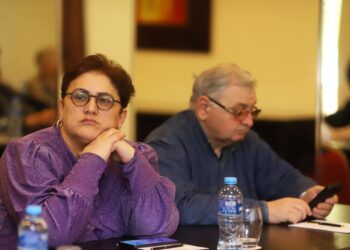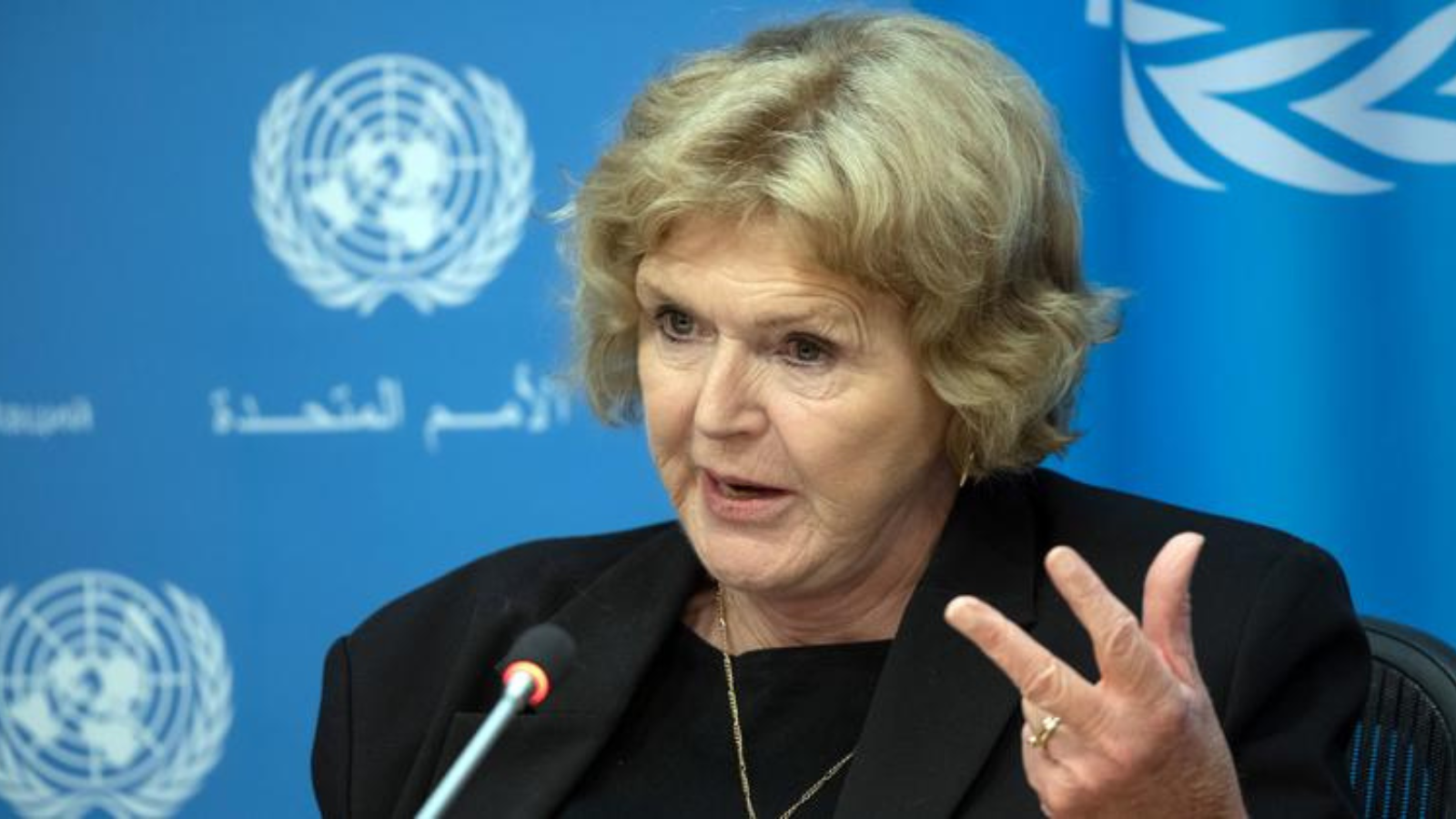
The UN Special Rapporteur on human-rights defenders, Mary Lawlor, has expressed deep concern after reports emerged that Tamar Oniani, Human Rights Program Director at the Georgian Young Lawyers’ Association (GYLA), and one of the organization’s employees, were summoned by Georgia’s State Security Service (SUS) for questioning over statements made in a recent BBC investigative documentary.
Reportedly, Oniani and a colleague were questioned as witnesses before a judge on Wednesday, following the SUS announcement that it had launched an investigation into allegations raised in the BBC film regarding the possible use of a chemical irritant during protests in 2024.
The State Security Service stated earlier this week that it is probing possible “abuse of official authority” and “assistance to a foreign organization engaged in hostile activities,” citing the BBC investigation as the trigger for its inquiry.
International human-rights bodies have reacted sharply. UN Special Rapporteur Mary Lawlor described the developments as “disturbing,” stressing that documenting or speaking publicly about alleged human-rights abuses must never be treated as a threat to state interests.
“Voicing concerns about human-rights violations should not be considered ‘damage to state interests’,” Lawlor said.
Civil society groups in Georgia warn that the questioning of GYLA staff risks creating a chilling effect on human-rights work. Several organizations argue that summoning rights defenders in connection with media interviews may be intended to pressure or intimidate civil society actors who publicly challenge government conduct.
GYLA has not yet issued a detailed public statement regarding the questioning but has repeatedly emphasized that its work — including participation in international media investigations — is aimed at protecting citizens’ rights and strengthening rule of law.
As of now, the State Security Service has not disclosed what specific statements or evidence from the BBC documentary prompted the summons, nor has it clarified the broader scope of the investigation.
International observers and domestic watchdogs are calling for full transparency and for the protection of human-rights defenders’ freedom to monitor, report and publicly discuss potential abuses without risk of reprisal.