From camping under the stars and learning survival skills to developing leadership, teamwork and confidence, Scouting has long been about far more than outdoor adventure. In Georgia, the movement continues to grow, offering young people opportunities to build practical skills, make lifelong friendships and become active members of their communities.
This summer, the Samegrelo Organization of the Georgian Scout Movement is hosting a series of camps in Anaklia, culminating in an English-language scouting program that combines language learning with camping, outdoor activities and international-style scouting. Designed for young people aged 10 to 18, the four-day camp aims to improve participants’ spoken English through games, role-playing, teamwork and adventure, with English serving as the primary language throughout the program.
We spoke with Giorgi Tchezhia, Vice President of the Georgian Organization of the Scout Movement and project lead, about the growth of Scouting in Georgia, the work of the Samegrelo Scouts, and what participants can expect from this year’s summer camps.
For readers who may not be familiar with Scouting in Georgia, how has the movement developed in recent years and what role does it play in the development of young people today?
The Georgian Scout Movement has been part of the World Organization of the Scout Movement (WOSM) since 1997, connecting it to a global network spanning 176 countries and around 60 million members. As the world’s largest youth educational movement, WOSM provides opportunities for young people to learn, grow and collaborate across borders.
Scouts of Georgia is a non-profit, non-political organization focused on helping young people reach their full potential. Through hands-on activities and non-formal education, participants build confidence, resilience and practical life skills while developing physically, intellectually, emotionally and socially.
The program teaches essential outdoor and everyday skills, from hiking, camping and field cooking to first aid and self-rescue techniques. Alongside camps and expeditions, Georgian Scouts organize community projects, awareness campaigns and charity initiatives, giving young people the chance to make a positive impact both locally and internationally.
The organization has also produced educational resources to encourage school tourism in Georgia, helping schools and communities make greater use of the country’s natural environment as a place for learning and adventure.
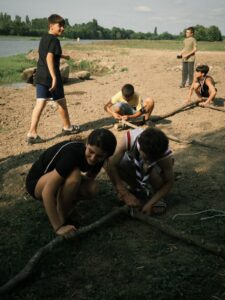
The Samegrelo Scout Organization has become one of the most active regional groups in the country. What led to its success and what makes the organization unique?
What makes our organization successful is the way we teach. Our programs have been developed with the help of experienced education specialists and are based on non-formal learning, which encourages young people to learn through doing rather than sitting in a classroom.
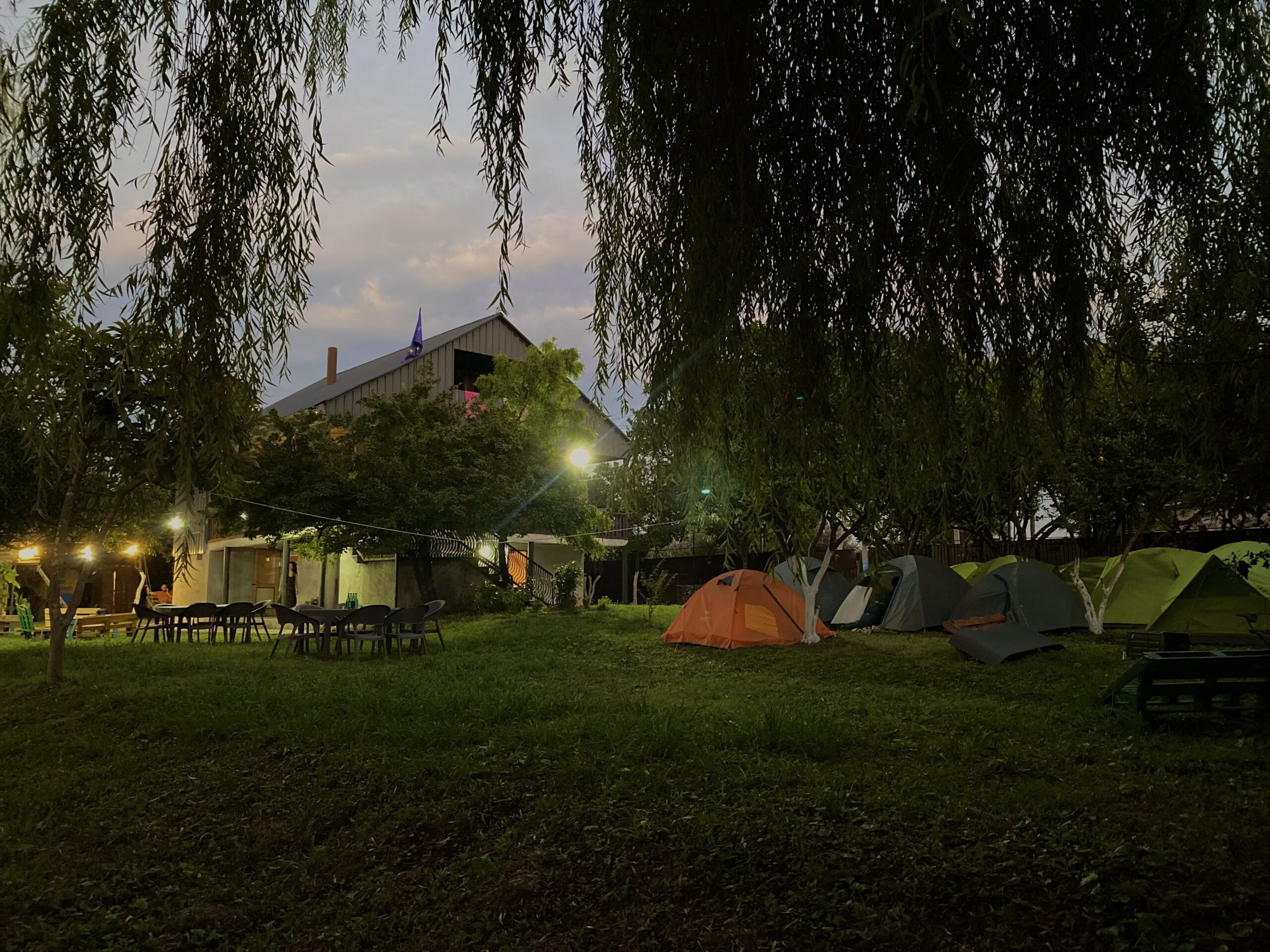
The Samegrelo Scout Organization was established in 2014 and has been expanding its activities ever since. Along the way, it has created dedicated learning spaces designed specifically for young people.
We believe the environment is just as important as the program itself. Non-formal education is very effective, but when it takes place in a relaxed, purpose-built setting, young people become even more engaged. They gain confidence, learn new skills and enjoy the experience at the same time.
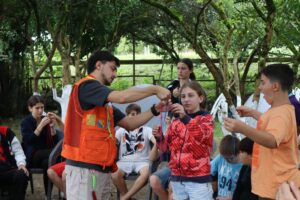
This summer in Anaklia you are organizing a whole series of camps, which include everything from fishing and career development, to English language learning and board games. What was the idea of creating such a diverse program?
Based on seven years of experience running camps, the organization has shaped its programs around the needs of young people in the region. Each camp has a different focus, from outdoor adventure and language learning to career development and board games, with the aim of offering something new while making a lasting contribution to the local community.
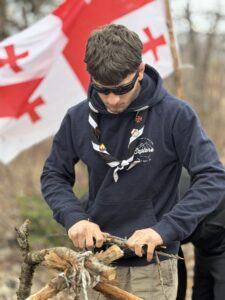
One of the main events is the English-language scout camp at the end of August. How will the participants improve their English compared to a traditional classroom course and why do you think learning through scouting works so well? Can they attend other non-Georgian camps?
The English-language camp is built on the belief that the best learning happens when young people are having fun and taking part. Instead of learning English from a textbook, participants will pick up new words and improve their confidence through games, team activities, role-playing and real conversations with their fellow Scouts.
A special part of the camp will be the chance to meet Scouts from other countries. By spending time together, sharing stories and working as a team, participants will experience different cultures while using English in a relaxed, everyday way. These international connections are at the heart of Scouting and often become some of the most memorable parts of the experience.
Open to young people aged 10 to 18, the camp welcomes everyone who wants to take part. It is a place where young people can step outside their comfort zone, make new friends, learn new skills and discover what they can achieve when they work together.
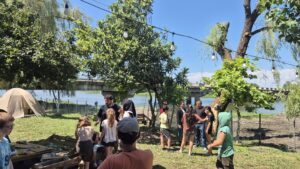
Safety is naturally a priority for parents who send their children to camp. What measures are taken to ensure the well-being of participants and what kind of environment should families expect?
The youth program is led by certified and experienced scout leaders.
At the heart of our organization are the values that guide everything we do: trust, friendship, care and respect. We want every young person who joins us to feel supported, valued and part of a community.
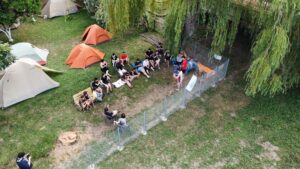
What is your vision for the Georgian scout movement in the future? Are there any plans to expand internationally, attract young people, or develop new programs that will prepare the next generation for the challenges of the future?
Georgian Scouting is at an important turning point. After years as part of the Eurasian Scout Region, the organization officially joined the European Scout Region in 2023, opening the door to closer cooperation and new opportunities with Scouts across Europe. The move has helped strengthen the organization, with Georgian Scout leaders working alongside European colleagues to develop new educational approaches and expand the programs available to young people.

The future also brings exciting international opportunities. In 2027, the World Scout Jamboree will take place in Poland, bringing together up to 50,000 Scouts from around the world. Next year, the European Scout Event will be held in Belgium. Georgian Scouts are preparing for these major gatherings through their summer camps, which help participants develop the skills, independence and confidence needed to take part in national and international events.
However, taking part in these opportunities is not without challenges. Like many youth organizations, the Scouts of Georgia faces financial limitations and currently relies mainly on income from its own activities. The organization has added a donation option to its website, but has not yet received external support. Looking ahead, it hopes to expand its entrepreneurial activities and find new sources of funding to invest in equipment, educational materials and future programs that will benefit young people across Georgia.
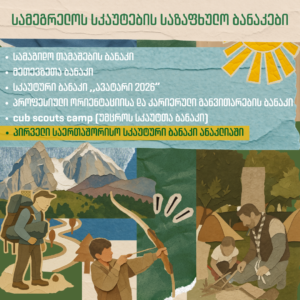
For additional information and to register for the camps, visit:
facebook.com/scoutsofsamegrelo
And the page of the camp space – facebook.com/dejavu
+995 557 28 88 95
Related article: Scouts Lead the Way: Growing Rural Tourism in Zugdidi Municipality