
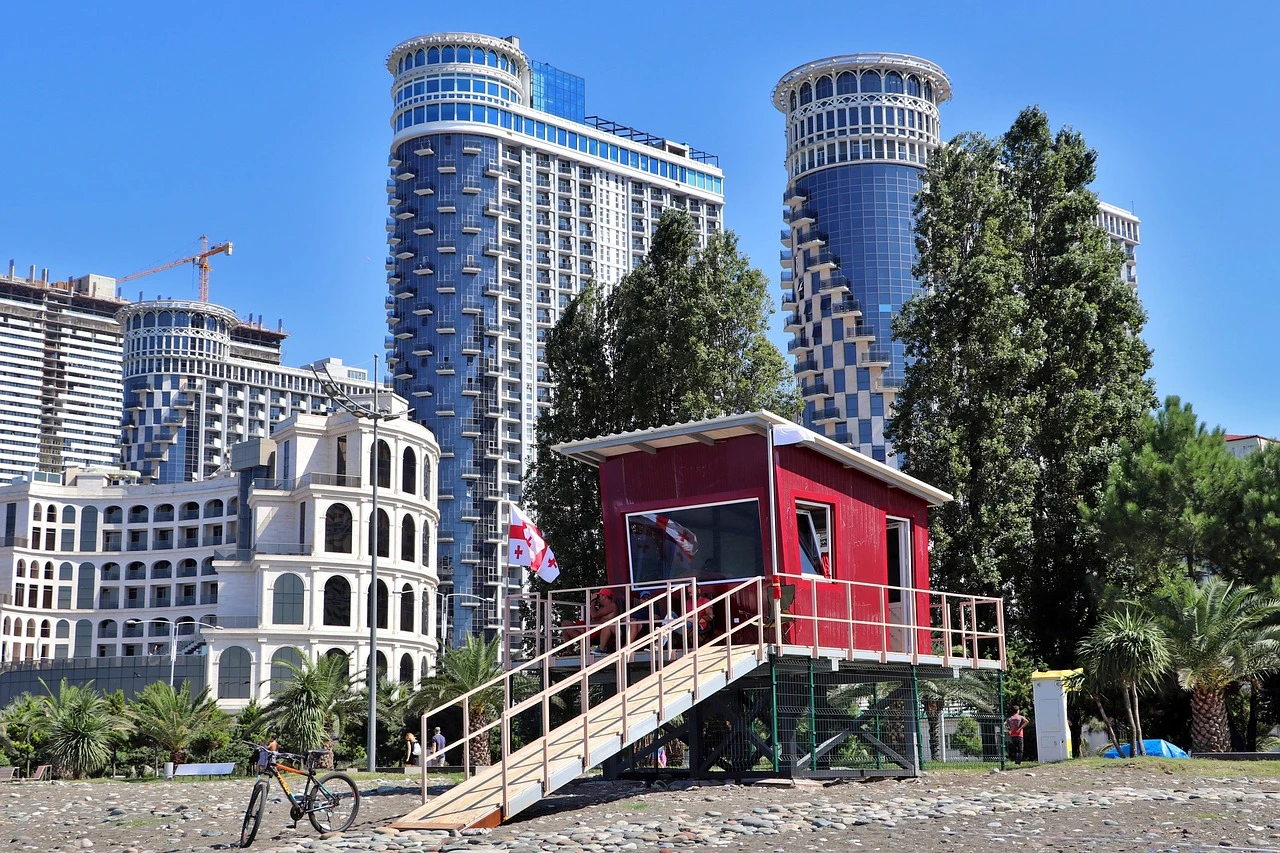
In recent years, Georgia has established itself as a premier destination for adventure-seekers craving genuine cultural immersion. This small but mighty Caucasus nation captivates guests through its extraordinary combination of historical treasures and contemporary attractions, jaw-dropping landscapes, and enduring traditions that span millennia.
Don’t let its compact size fool you – Georgia delivers experiences on a grand scale. The towering Caucasus range, Europe’s most elevated mountain chain, creates a magnificent backdrop, while the terrain varies dramatically from warm Black Sea beaches to pristine gorges, rock-hewn monasteries, and terraced vineyards with snow-capped mountain vistas. This destination creates lasting impressions on everyone who visits.
Modern infrastructure and innovative services have made Georgian exploration remarkably straightforward. Contemporary transportation solutions like Getmancar provide both car rental in Tbilisi (and other Georgian regions) and innovative car sharing options, allowing travelers to unlock vehicles via smartphone and discover the country on their own terms. Whether your plans call for multi-day road adventures or brief excursions lasting just hours, Getmancar’s versatile system merges traditional rental convenience with modern on-demand flexibility. This enhanced accessibility means even isolated mountain settlements and hidden monastery valleys now lie within easy reach for independent explorers.
Selecting Your Travel Season
Your optimal visit timing hinges on personal interests and intended activities. Alpine adventurers and committed trekkers should aim for June through August, when mountain passes stay open and high-altitude weather proves most reliable. Remember that summer delivers intense heat to valleys and plains, with Georgia’s three main urban centers – Tbilisi, Kutaisi, and Batumi – experiencing particularly sweltering conditions.
City-focused travelers hoping to avoid congestion and premium pricing should target May and September as superior options. These transitional months offer pleasant climates while popular sites remain relatively quiet.
Winter months spanning November to March attract fewer international visitors, as tourism facilities largely shut down and High Caucasus regions become mostly inaccessible. However, cold-season travelers encounter an essentially crowd-free destination with accommodations advertising their year’s lowest prices.
 Determining Trip Length
Since most international guests travel considerable distances reaching Georgia, stays under four nights feel inadequate. Seven days or longer represents the optimal timeframe, providing sufficient opportunity to experience Tbilisi thoroughly, venture into rural territories, and dedicate minimum two evenings to mountain landscapes.
Arrival Transportation
Air connections dominate as the primary entry mode, with route options steadily expanding. Tbilisi’s contemporary international facility processes dozens of daily European arrivals, supplemented by consistent Middle Eastern and Asian services. David the Builder Airport near Kutaisi has carved a specialty niche serving budget airlines, connecting numerous Eastern European markets.
Internal Mobility
Public Transit Systems
Visitors must select between marshrutky (privately-run minivans following established routes) and personal vehicle rental. While hiring cars costs substantially more, it delivers unrivaled exploration autonomy. Most tourists only utilize rail service for the modern, reasonably prompt link between Tbilisi and Black Sea port Batumi.
Tbilisi’s compact two-route metro handles city transit effectively. For districts beyond underground coverage, economical ride-sharing applications including Yandex, Bolt, and Maxim deliver affordable transportation across the capital.
Domestic aviation offers practical solutions reaching mountainous zones like Svaneti and Racha, bypassing hours of twisting road navigation.
Versatile Transportation Through Getmancar
Travelers wanting mobility independence without conventional rental restrictions should investigate Getmancar’s dual-service approach in Georgia: comprehensive car rental in Tbilisi operations plus cutting-edge car sharing via mobile platform.
Traditional Rental Services: Getmancar operates an expansive fleet of meticulously maintained vehicles ideal for extended explorations. Their car rental in Tbilisi inventory features compact models like Honda Fit (starting 70 ₾ daily), mid-size sedans including Ford Focus and Toyota Corolla (starting 90 ₾ daily), SUVs such as Mitsubishi Outlander Sport (starting 90 ₾ daily), plus premium selections like Volkswagen EOS convertible (starting 130 ₾ daily). Every rental incorporates comprehensive insurance protection, season-appropriate tires, round-the-clock assistance, and adaptable pickup/return arrangements including Tbilisi International Airport. Extended rental durations qualify for reduced rates, enhancing multi-day journey economics.
App-Based Sharing: For abbreviated trips or impromptu explorations, Getmancar’s smartphone car sharing facilitates vehicle access by minute, hour, or day – perfectly suited for rapid city tours or spontaneous countryside visits. Simply install the application, identify nearby available vehicles, and unlock your selected car digitally. Keys and documentation wait inside.
Qualified drivers require minimum 21 years age, valid Category B European license, and two-plus years driving history. Three rate structures address varying requirements: per-minute charges for quick tasks, hourly pricing for multiple-destination trips, and daily rates for prolonged usage. Payment executes automatically via registered payment cards, while journeys may commence and conclude within designated municipal zones.
This combined methodology accommodates every traveler – whether organizing week-long wine region circuits or requiring transportation briefly for specific attraction visits.
Key Destinations
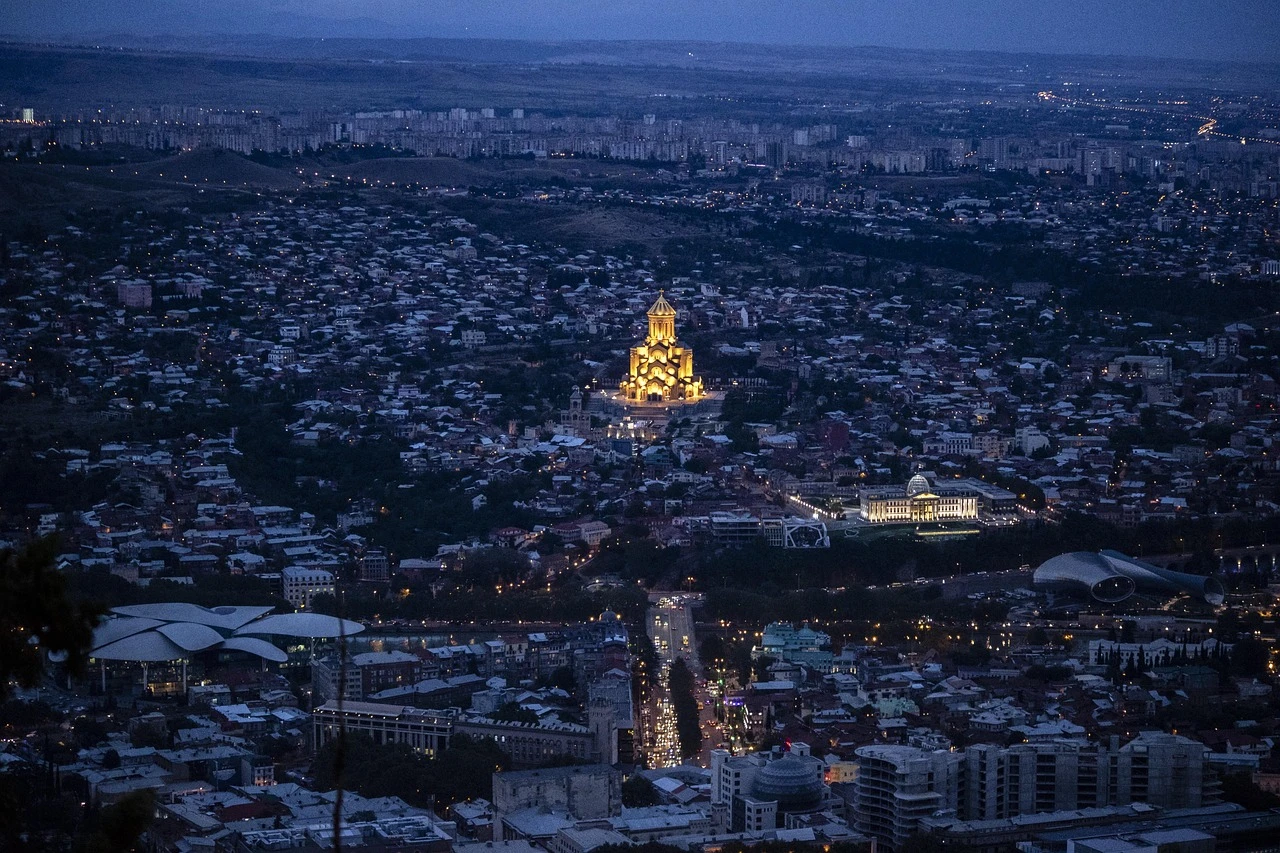
Tbilisi enchants through its historic church collection, characterful partially-renovated Old Quarter, and magnificent views from Sololaki ridge, reached via aerial tramway. The capital has achieved global prominence within electronic music communities, with establishments like Bassiani positioning Tbilisi among elite international nightlife cities.
The Georgian Military Highway toward Stepantsminda represents the definitive day journey from the capital penetrating the High Caucasus. This passage ranks among Earth’s most spectacular mountain roadways. Upon arrival, observe the iconic hilltop church majestically positioned against Mt Kazbek’s snow-blanketed peak.
Mountain Expeditions
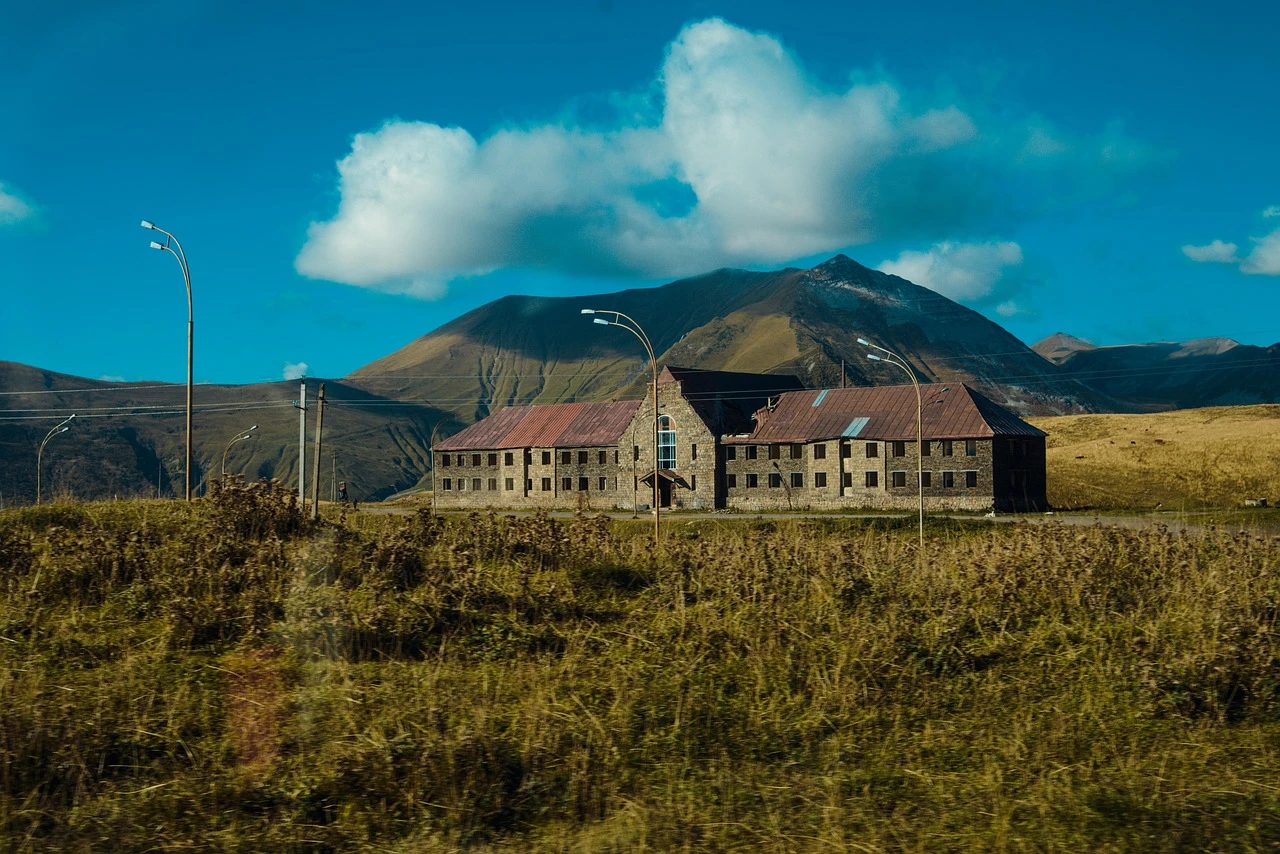 Most guests concur that Georgia’s ultimate highlight involves time immersed in its exceptional mountains. Despite formidable heights – Mt Elbrus, Europe’s loftiest summit, stands just beyond the northern Russian frontier – these imposing peaks remain remarkably accessible.
Viticulture Legacy and Exploration
Georgia rightfully claims status as Earth’s most ancient wine-producing territory, with archaeological documentation confirming winemaking extending 8,000 years backward. The nation’s traditional qvevri technique – fermenting wine within large earthenware vessels buried underground – earned UNESCO World Heritage designation acknowledging its cultural significance.
The Kakheti territory eastward from Tbilisi operates as the principal wine tourism center, generating above 70% of national volume. Guests can visit family-run estates, taste wines straight from qvevri, and explore indigenous grape cultivars like Saperavi and Rkatsiteli found nowhere else worldwide. Numerous wineries supply lodging in traditional guesthouses amid vineyard landscapes, accompanied by elaborate banquets highlighting regional delicacies.
Culinary Heritage
Georgian gastronomy represents a delicious merging of European and Asian elements, garnering passionate endorsements from food authorities internationally. The country’s iconic preparations highlight its farming wealth and age-old cooking methods handed down across generations.
Khachapuri, Georgia’s signature dish, manifests in regional interpretations – the boat-form Adjarian variety crowned with egg and butter demonstrates particular appeal. Khinkali dumplings, packed with seasoned meat and fragrant stock, necessitate correct consumption approach: clutch by the pleated crown, nibble carefully to extract the liquid, then finish the rest. Locals count vacant khinkali shells tracking intake – creating friendly rivalry during meals.
Coastal Black Sea Experiences
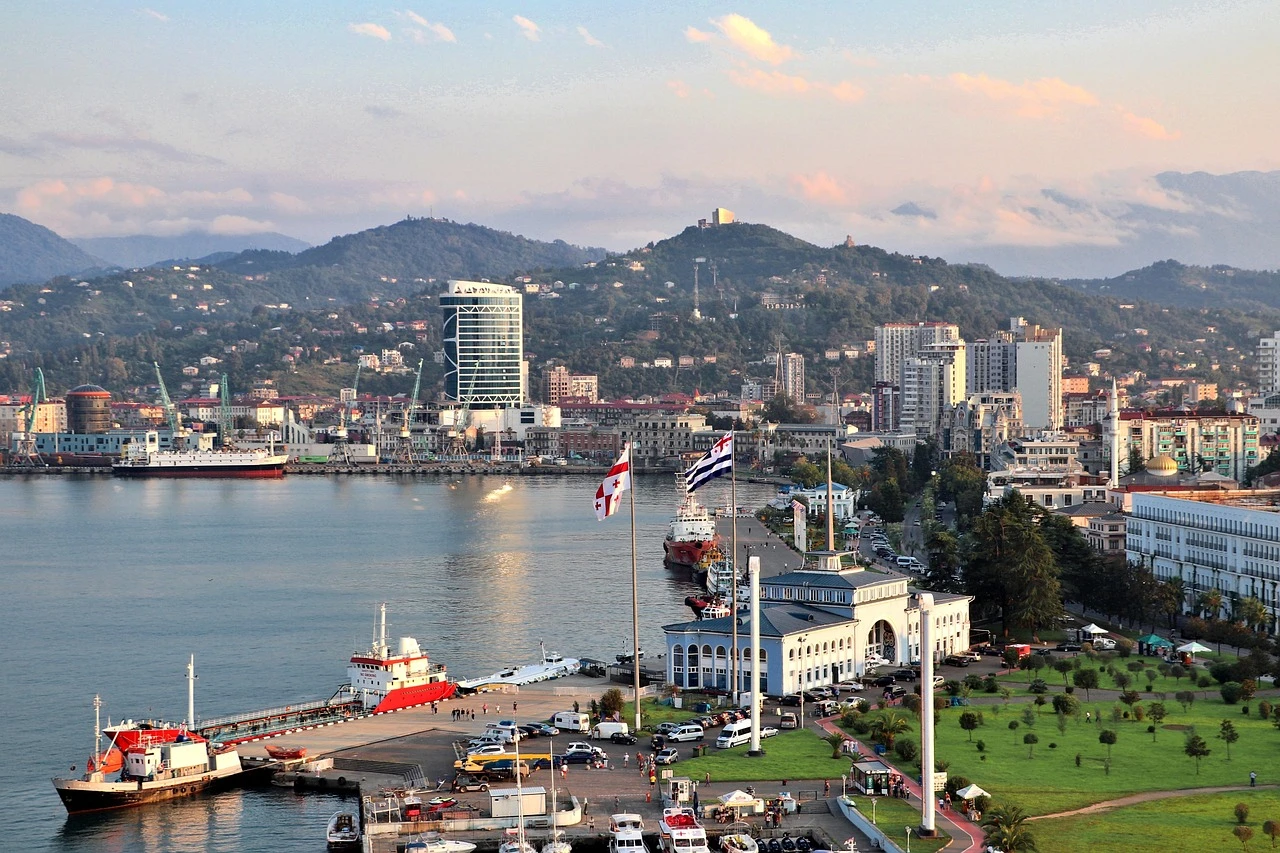 Georgia’s Black Sea shoreline delivers an entirely distinct experience from inland mountain territories. The waterfront municipality of Batumi has evolved into a contemporary vacation destination while preserving its distinctive personality and subtropical atmosphere.
Batumi Boulevard, a 7-kilometer pedestrian esplanade extending between downtown and coastline, ranks among Georgia’s most established and frequented attractions. The promenade showcases the Alphabetic Tower featuring its revolving observation restaurant, the moving sculpture depicting legendary sweethearts Ali and Nino, and Batumi Piazza – an Italian-inspired plaza decorated with magnificent tile work.
Annual Celebrations and Cultural Programming
Georgia’s event schedule overflows with festivities year-round, presenting visitors chances to witness authentic cultural customs. These occasions span from reverent religious commemorations to celebratory folk gatherings.
Religious Observances: Georgian Orthodox Christmas (January 7) incorporates midnight masses, the Alilo charitable procession, and customary foods like Satsivi and Gozinaki. Orthodox Easter encompasses candlelit ceremonies at principal cathedrals, Easter basket blessings, and family gravesite visits on Easter Monday (Chreli Shoba). Giorgoba (November 23) commemorates Saint George, Georgia’s guardian saint, through religious services and community assemblies coinciding with autumn harvest festivities in agricultural zones.
Traditional Customs: Berikaoba, a customary masquerade celebration occurring late winter or early spring, displays elaborate outfits and disguises depicting Georgian mythological figures. Participants conduct dramatic presentations, comedic acts, and spontaneous humor, marking spring’s emergence and nature’s rebirth.
Scheduling visits coinciding with these festivals enriches your Georgian journey, offering glimpses into customs that have molded the nation’s character.
Traditional Crafts and Artisan Heritage
Georgia maintains vibrant artisan traditions stretching back centuries, with skilled craftspeople preserving techniques passed through family lines. These traditional crafts offer visitors authentic souvenirs while supporting local communities and cultural preservation.
Cloisonné Enamelwork: Georgian artisans excel in minankari, an intricate enameling technique creating colorful jewelry and decorative items. Workshops throughout Tbilisi’s Old Town demonstrate this painstaking process, where artisans apply colored glass powder to metal frameworks before multiple firings. The resulting pieces feature brilliant colors and intricate geometric or floral patterns characteristic of Georgian aesthetic traditions.
Textile Traditions: Felt-making persists in mountain communities, particularly Tusheti and Khevsureti, where shepherds transform wool into warm clothing, hats, and decorative items. Traditional Georgian carpets, known as vardi, feature distinctive regional patterns and natural dye techniques. Silk production, historically significant in Georgia, continues in select regions with workshops demonstrating cocoon cultivation, thread extraction, and weaving processes.
Visiting artisan workshops provides authentic cultural experiences while purchases directly support traditional craftspeople. Many Tbilisi galleries now represent rural artisans, making quality handicrafts accessible to travelers with limited time for regional exploration.
Financial Considerations
Georgia sustains reasonable affordability relative to European territories, though expanding tourism has incrementally raised costs and service levels. Budget-conscious travelers still encounter hospitable choices, with appealing family-run guesthouses prevalent and modern hostel accommodations abundant in metropolitan districts.
Lodging rates have advanced from roughly €40 toward approximately €60 recently. Short-term apartment lettings present inconsistent quality and cost with vigorous marketplace rivalry. Meals and drinks stay economically rational, with fulfilling dinners averaging €10 per individual throughout most areas.
Cultural Awareness
Hospitality Heritage
Georgian hospitality commands legendary recognition globally, with guests experiencing sincere cordiality throughout travels. Tourism substantially reinforces the national economy, with practically everyone linked to the sector somehow.
Security Factors
Georgia typically rates as remarkably secure for global travelers. Principal worries involve vehicular mishaps, requiring cautious driving and careful street traversing. Subsequent to October 2024 parliamentary voting, Tbilisi witnessed civic protests, meriting government travel advisory consultation before traveling.
Communication Capabilities
Senior Georgians chiefly speak Russian as their international language, whereas metropolitan inhabitants below 40 generally hold English proficiency. Young people and hospitality experts typically interact capably in English. Trying fundamental Georgian expressions generates substantial local regard.
Religious Courtesy
The vast preponderance of Georgians follow Georgian Orthodox Christianity and value appropriate clothing when touring countless historic religious buildings. Female guests should drape heads; male visitors must eliminate headgear. Helpfully, most churches stock loaned clothing including shawls and head coverings near doorways.
Immigration Paperwork
Georgia grants visa-free entry to visitors from above 100 countries, embracing EU citizens, Americans, British, Australians, Canadians, Israelis, New Zealanders, South Africans, and Swiss. Visa-necessitating travelers submit through Georgia’s e-Visa Portal for US$20, with five-day handling intervals.
Georgia Travel Facts and Figures
| Category | Information |
| Climate Zones | Subtropical (coast), Continental (interior), Alpine (mountains) |
| Total Area | 69,700 km² (similar to Ireland or West Virginia) |
| Population | Approximately 3.7 million (Tbilisi: 1.1 million) |
| Time Zone | GMT+4 (no daylight saving time) |
| Electricity | 220V, 50Hz (European two-pin plugs) |
| Emergency Numbers | Police: 112, Ambulance: 112, Fire: 112 (unified) |
| Internet Access | Widely available; average speed 40-60 Mbps in cities |
| Mobile Networks | Magti, Beeline, Silknet (SIM cards from 5 ₾) |
| Drinking Water | Tap water safe in major cities; bottled recommended in rural areas |
| Tipping Culture | 10-15% in restaurants (not mandatory); round up for taxis |
| Banking Hours | Monday-Friday 9:30 AM-5:30 PM (some Saturday mornings) |
| ATM Availability | Widespread in cities; limited in remote mountain regions |
| Credit Cards | Widely accepted in cities; cash preferred in villages |
| Average Altitude | Tbilisi: 500m, Mestia: 1,500m, Stepantsminda: 1,740m |
| Highest Road | Cross Pass: 2,395m (Georgian Military Highway) |
| National Parks | 14 protected areas including Borjomi-Kharagauli, Lagodekhi |
| Ski Resorts | Gudauri, Bakuriani, Goderdzi, Tetnuldi |
| Ski Season | December-March (Gudauri offers longest season) |
| Beach Season | June-September (water temperature: 22-26°C) |
| UNESCO Sites | 4 total (Mtskheta, Gelati, Svaneti, Colchic rainforests) |
| Grape Varieties | 525 indigenous varieties (world’s highest diversity) |
| Winery Visits | Free-€20 depending on establishment and tasting selection |
| Traditional Feast | Supra (can last 3-6 hours with 20+ toasts) |
| Polyphonic Singing | UNESCO Intangible Heritage (three-part harmony tradition) |
| Alphabet Uniqueness | Georgian script has 33 letters, used by no other language |
| Georgian Alphabet Age | Approximately 1,500 years old (5th century CE) |
| Literacy Rate | 99.8% (among world’s highest) |
| Driving Side | Right-hand traffic |
| Speed Limits | Cities: 60 km/h, Highways: 90-110 km/h, Residential: 20 km/h |
| Fuel Costs | Approximately 3-3.5 ₾/liter (€0.85-1/liter) |
| Parking Costs | Tbilisi center: 1-2 ₾/hour; free in most provincial cities |
| Getmancar Fleet | 500+ vehicles across Georgia |
| Average Sunshine | 250+ sunny days annually (particularly Kakheti region) |
| Rainy Season | April-May, October-November (Black Sea coast year-round) |
| Snow Depth | Mountains: 1-3 meters winter; valleys: occasional light snow |
| Wildlife | Brown bears, Caucasian leopards, chamois, eagles, vultures |
| Endemic Species | Caucasian tur (mountain goat), Caucasian salamander |
| Honey Production | Famous varieties: chestnut, wildflower, alpine herbs |
| Mineral Waters | 2,000+ springs; Borjomi most famous internationally |
| Traditional Dance | Regional styles include Kartuli, Khorumi, Acharuli |
| Film Tourism | Growing industry; locations for international productions |










