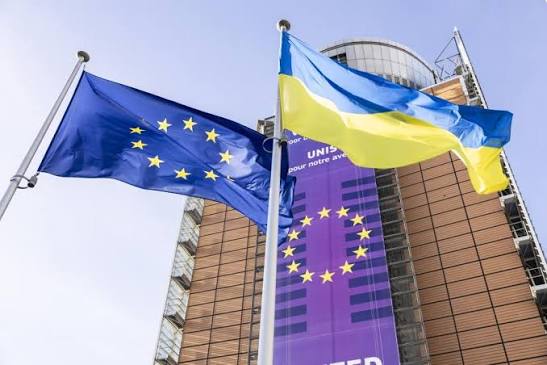
The European Commission has adopted a proposal to begin the process that would make the European Union a founding member of a Special Tribunal on the crime of aggression against Ukraine.
Commission says once EU member states approve the proposal, it will be able to formally declare the EU’s intention to join the tribunal as a founding member.
In that role, the EU is expected to play a central part in the tribunal’s work, including participation in its governing committee, which will oversee the institution’s activities.
The Special Tribunal will have a mandate to prosecute senior political and military leaders responsible for the crime of aggression against Ukraine. It is being established within the framework of the Council of Europe, following an agreement signed between Ukraine and the Council of Europe on June 25, 2025.
EU High Representative for Foreign Affairs and Security Policy Kaja Kallas stated that delivering justice for victims of aggression is the most effective path toward lasting peace.
“Restoring justice for the victims of aggression is the best way to achieve sustainable peace. It also serves as a deterrent to potential aggressors. At a time when international law is under unprecedented pressure, responding properly means taking on greater responsibility, not less. Launching such legal processes — as we are now doing in Ukraine’s case — requires time, effort, and the broadest possible international support, but it is worth it,” Kallas said.
The European Commission noted that the EU has played a leading role in drafting the tribunal’s founding legal texts, which were politically endorsed on May 9, 2025, by an international coalition of states and organizations.
The Commission also supports accountability efforts through the International Centre for the Prosecution of the Crime of Aggression against Ukraine and has contributed €10 million to the tribunal’s preparatory work.
The initiative marks a significant step in international efforts to ensure legal accountability for the crime of aggression and to strengthen the global rules-based order.