In the sweltering heat of the Amazon, delegates arriving at the 30th session of the COP30 climate summit this week sensed more than the humidity: they felt urgency. “It’s no longer time for negotiations. It’s time for implementation, implementation and implementation,” declared António Guterres, Secretary‑General of the United Nations. He warned that current national targets are likely to lead to roughly 2.3 °C of warming, well beyond the 1.5 °C threshold agreed in the Paris Accord. “Every fraction of a degree means more hunger, displacement and loss, especially for those least responsible,” he added.
Brazil, which is hosting the summit this year, has cast COP30 as the “COP of truth.” President Luiz Inácio Lula da Silva told world leaders bluntly: “Without a complete picture of the Nationally Determined Contributions, we will walk blindfolded toward the abyss.” The message: no more vague promises — instead, tangible plans, finance and accountability.

Georgia’s Quiet but Important Role
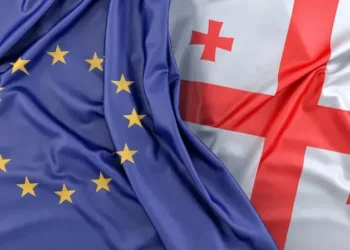
While not among the biggest emitters, the South Caucasus country of Georgia seeks to show it belongs in this global conversation. Ambassador Zurab Mchedlishvili joined the preparatory Pre‑COP meeting in Brasília in October to emphasize Georgia’s commitment to climate cooperation and domestic action.
Prime Minister Irakli Kobakhidze has previously stated, “In Georgia, we take our responsibility to address the climate crisis seriously, and have already undertaken significant steps to make a meaningful impact.”
For Georgia and other mid‑sized and smaller nations, COP30 offers a vital chance to align national policies with global demands, access climate‑finance tools, and ensure the transition to clean energy is fair and inclusive.
COP30 Has Its Work Cut Out
Delegates face urgent challenges. They must accelerate plans to phase out fossil fuels, scale up renewable energy, and improve energy efficiency. Climate adaptation, especially for vulnerable communities, cannot be an afterthought. The host presidency’s message is clear: “As the age of warnings gives way to the age of consequences, humanity confronts a profound truth: climate adaptation is no longer a choice that follows mitigation; it is the first half of our survival. … Adaptation has demanded the courage to let go of what no longer serves us while preserving what defines us.”

The Ever-Untouchable Topic: Food, Farming & Animal Agriculture
Beyond fossil fuels and forests, one subject has quietly surged into focus once again: the climate impact of animal agriculture. According to industry data, livestock systems are responsible for 32% of human‑caused methane emissions, a potent greenhouse gas, and the sector is a major driver of deforestation, especially in the Amazon.
Activists at COP30 are demanding that the global conversation finally pay full attention to this “cow in the room.” At the AgriZone pavilion, campaigners from World Animal Protection denounced “industrial animal agriculture” as a top driver of emissions and deforestation, and called out the irony of livestock‑industry‑backed exhibits at a climate summit. “It is deeply concerning to see a third zone popping up at COP30 dedicated entirely to agribusiness interests,” they said.
Every year, such environmental groups ask that the summit’s own catering not serve animal‑products — a symbolic gesture, they argue, reflecting the gravity of the animal‑agriculture climate footprint. Their message: if governments are serious about 1.5 °C, they must also be serious about food systems.
In the Amazon, where the climate crisis is already visible, all eyes are on COP30. Will it deliver more than speeches? Will it finally address the often-overlooked impact of our food systems, including the greenhouse-gas footprint of meat, dairy, and the crops grown to feed livestock? And beyond food, will it confront the full spectrum of climate challenges — fossil-fuel dependence, energy inequality, deforestation, and adaptation for vulnerable communities? For Georgia and dozens of other nations alike, the question is the same: are we moving from promises to action, or back to square one?
The world is watching.
By Katie Ruth Davies