A growing wave of fan protest and reported ticket cancellations has emerged around the upcoming 2026 FIFA World Cup, as international supporters react to the Trump administration’s expanded immigration restrictions, including the recent suspension of immigrant visa processing for citizens of 75 countries. The backlash has added a political dimension to what is meant to be a unifying global sporting event, with supporters and activists framing the US immigration stance as incompatible with the spirit of inclusion that FIFA and host nations have promoted.
The controversy stems in part from the Trump administration’s January 14 decision to suspend immigrant visa processing for citizens of dozens of countries, a move officials say is aimed at tightening screening criteria and reducing entry by individuals who might become dependent on public benefits. The policy is set to take effect on January 21 and affects a broad range of nations, including several whose teams have qualified for the World Cup or whose supporters travel in large numbers for international events.
Although the suspension technically applies only to immigrant visas and is separate from the tourist and temporary travel categories that most World Cup attendees will use, many fans and commentators have expressed concern that the broader political climate surrounding immigration could discourage travel to the United States for the tournament. Reports circulating on social media and in international news outlets suggest significant numbers of ticket holders have already chosen to withdraw their plans for the event in protest of the US’s immigration policies.
One such report cited an estimated nearly 17,000 ticket cancellations from international fans, a number that supporters of the boycott have shared across platforms to highlight global dissatisfaction with what they describe as a hostile and exclusionary approach to migration. The narrative has been amplified by activists and fan groups linking the policy’s perceived hostility toward foreigners with broader trends in US immigration enforcement.
Voices on social media have framed the reaction in stark terms. One widely shared post declared: “BREAKING: International fans are CANCELLING their World Cup tickets to protest Trump’s violent immigration crackdown,” capturing a broader sentiment among some observers that the political landscape in the United States is increasingly seen as inhospitable to foreign visitors.
These reactions have not been limited to ordinary supporters. Reports also highlight instances where individuals in diplomatic or civil society roles have publicly announced their withdrawal from attending the tournament as a gesture of protest, citing fears over safety and treatment under US immigration enforcement policies.
Supporters from countries such as Senegal and Ivory Coast—both of which have qualified for the World Cup—have described the situation as disheartening. In recent reporting, fans from these nations expressed frustration at being potentially excluded from attending matches in the United States due to current travel restrictions unless they already hold appropriate visas or dual citizenship. FIFA and sports organizers have previously acknowledged the need to ensure fans can attend, but uncertainty remains.
The government of the United States, for its part, has maintained that the expansion of immigration restrictions is part of broader efforts to strengthen border control and immigration vetting systems and does not target legitimate short-term travel or tourism, including for major international events. State Department communications have emphasized that non-immigrant visas, which most World Cup spectators will require, continue to be processed under existing guidelines.
Despite these reassurances, the political climate around immigration is shaping public perception globally. Advocacy groups and some lawmakers abroad have called on FIFA to consider the diplomatic and human impact of hosting large-scale international events in a country with restrictive immigration measures. In the United Kingdom, for example, a coalition of MPs has urged sports federations to reflect on whether America’s policies align with the inclusive values of global sport.
Critics of the boycott narrative note that while protest sentiment exists, independent verification of the scale of ticket cancellations remains limited, and global demand for the World Cup has continued at historically high levels according to official FIFA data. Some fact-checking organizations have pointed out that the claim of 17,000 cancellations has not been confirmed by FIFA or major ticket vendors, and overall ticket demand and applications to attend the tournament remain robust.
Nevertheless, the incident highlights the growing intersection between international sporting events and global political debates, illustrating how domestic policy decisions—especially those involving immigration—can reverberate far beyond national borders. For a tournament that prides itself on bringing together fans from virtually every nation, the discourse around travel access and political protest poses new challenges for organizers as they prepare for the kickoff scheduled for June 11, 2026.
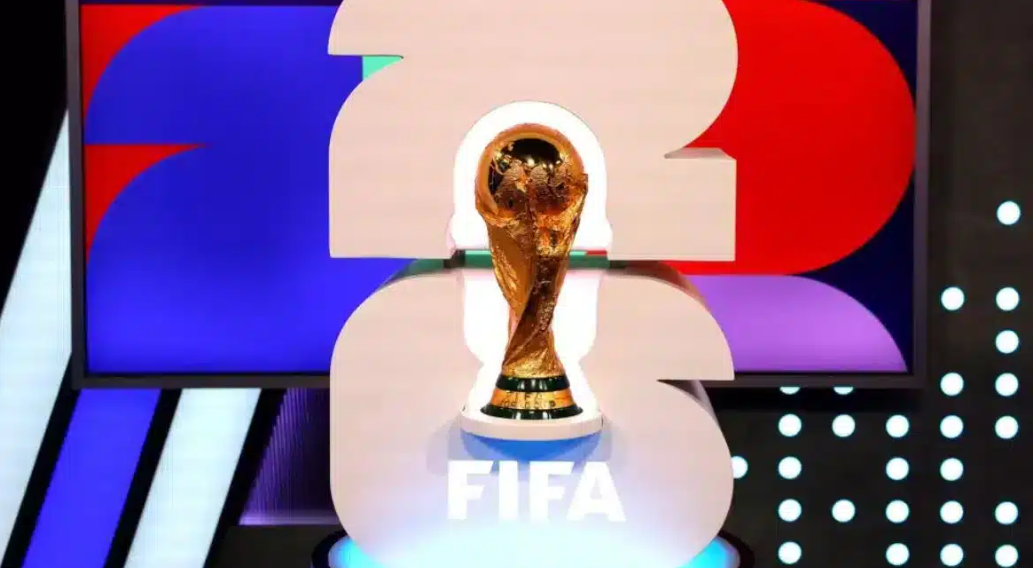
Image: FIFA
Related story: US suspends immigration visa processing for citizens of 75 countries, including Georgia, in broad crackdown