In a major shift in American immigration policy, the United States government announced on January 14 that it will indefinitely suspend the processing of immigrant visas for citizens of 75 countries, effective January 21, 2026. The decision, announced by the US State Department in Washington, represents one of the most sweeping changes to legal immigration procedures in recent years and directly affects applicants from a wide range of nations, including Georgia and several other Eastern European, African, Asian, and Latin American states.
Under the new policy, consular officers at US embassies and consulates will pause immigrant visa issuances for nationals of the listed countries while the State Department reassesses screening criteria, particularly those related to whether applicants might become a “public charge”—a legal term used to describe someone likely to depend primarily on government assistance. The freeze does not currently apply to non-immigrant visas such as short-term tourists, business travelers, or student visas, though these categories may face heightened screening.
The policy applies to immigrants who would be on a path toward US lawful permanent residency and eventual citizenship. Officials stated that the suspension will remain in place “until the United States can ensure that new immigrants will not extract wealth from the American people”—a rationale grounded in concerns about public assistance use, labor market impacts, and national economic priorities.
Countries covered by the visa processing suspension include nations from all inhabited continents, several of which have long histories of migration links with the United States. Among the affected are Afghanistan, Armenia, Azerbaijan, Brazil, Egypt, Iran, Nigeria, Russia, Somalia, Thailand, and Yemen, as well as Georgia and numerous others across Europe, Africa, Asia, and Latin America. Dual nationals holding passports from non-listed countries may still qualify for visas, and limited exceptions may apply in rare cases where applicants are adjudged to serve clear national interests of the United States.
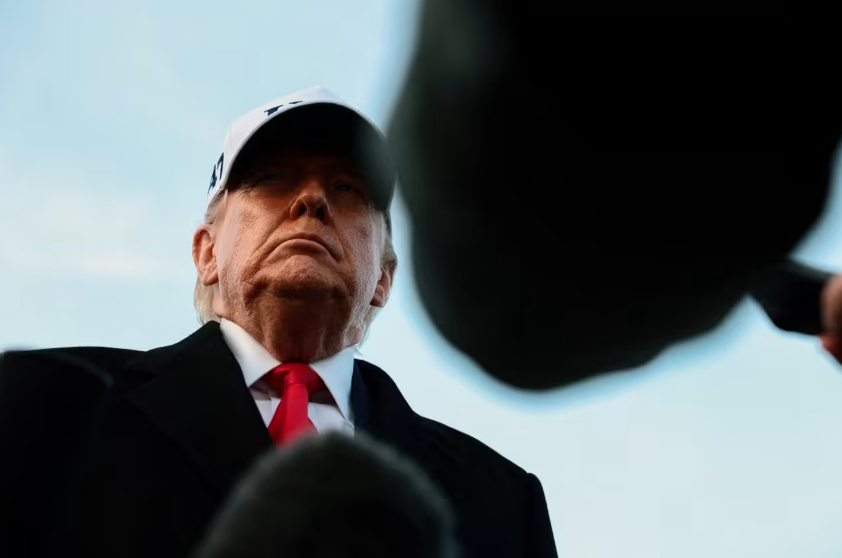
The announcement intensifies President Donald Trump’s immigration agenda, which has emphasized stricter border controls, enhanced vetting, and reduced avenues for legal immigration since he returned to the presidency in 2025. The new suspension builds on earlier expansions of travel bans and eligibility criteria for visas that have already resulted in tens of thousands of visa revocations and more stringent review standards.
The visa freeze is rooted in long-standing provisions of US immigration law that permit consular officers to deny visas to individuals deemed likely to become a public charge. However, the current administration’s interpretation expands the factors that may be considered in such determinations, including income potential, health status, family composition, and likelihood of future reliance on public benefits. The reassessment of these criteria is central to the policy, though the exact timeline for resuming normal processing remains unclear.
The move has been met with mixed reactions both domestically and internationally. Supporters of the policy argue that it is a necessary step to ensure that immigrants entering the United States are financially self-sufficient and will not burden public systems. They contend that tightening eligibility will protect the American labor market and safeguard social services. Critics, however, see the decision as a broadly exclusionary strategy that undermines longstanding US immigration traditions and could harm diplomatic relations with countries impacted by the suspension. Experts have pointed out that immigrants—especially those who legally enter through established paths—tend to contribute robustly to the US economy and are statistically less likely to draw public benefits than native-born citizens.
For prospective immigrants from Georgia, the suspension means that individuals planning to apply for US green cards will see their applications halted indefinitely unless they qualify under specific exemptions. This pause can affect family reunification cases, employment-based immigration pathways, and other long-term relocation plans. Advocates for immigrants in Georgia and other affected countries are urging US officials to clarify the criteria and timelines, emphasizing the hardship that prolonged uncertainty imposes on families and communities that have waited years for visa processing.
Internationally, the broad scope of the policy has drawn concerns from governments whose citizens are affected. Several foreign ministries have stated they are seeking clarification from US diplomatic posts on how the suspension will be implemented on the ground and what, if any, opportunities exist for appeal or review. Observers note that while the suspension does not explicitly apply to refugees, asylum seekers, or temporary visa categories, the overall ambivalence surrounding US immigration policy may deter travel and investment interest in the near term.
In the days following the announcement, legal advocacy groups in the United States indicated they may challenge aspects of the policy, particularly its application to individuals who already have approved visa petitions or who have already undergone extensive background checks. These groups argue that the indefinite nature of the pause raises due-process questions and could contravene established international norms on migration and family rights, though legal scholars caution that administrative policies governing visas traditionally fall within wide executive discretion unless specific constitutional rights can be shown to be violated.
The January 21 start date for the policy will see immediate effects on consular operations worldwide, with US embassies and consulates instructing officers not to schedule or complete immigrant visa interviews for nationals of the 75 listed countries. Applicants with visas already issued may still travel to the United States, but those awaiting adjudication or visa printing will find their cases delayed, with little indication yet of when normal processing might resume.
The change underscores the Trump administration’s ongoing effort to reshape US immigration policy in a more restrictive direction, a trend that has expanded beyond border security and asylum rules into the broader landscape of legal migration and family-based immigration. Whether this policy will endure legal and diplomatic scrutiny, and how it might ultimately affect global migration patterns, remains a central question for both American policymakers and the millions of would-be immigrants whose futures now hang in uncertainty.