The situation in the Middle East remains highly volatile, with the fragile ceasefire between Iran and the United States coming under increasing strain amid clashes around the strategically critical Strait of Hormuz.
Despite repeated statements from US Defense Secretary Pete Hegseth that the ceasefire “still holds,” tensions have sharply escalated over maritime security, missile attacks and stalled negotiations between Washington and Tehran.
The current crisis stems from the broader 2026 Iran war, which began after joint US-Israeli strikes on Iranian targets in late February. Since then, the conflict has expanded across the region, involving attacks on Gulf shipping routes, strikes linked to allied groups in Lebanon and growing threats to global energy supplies.
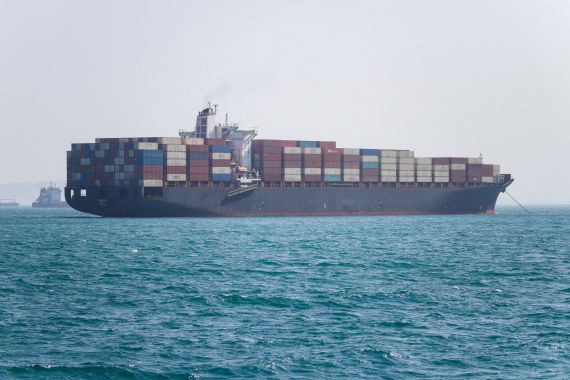
One of the central flashpoints remains the Strait of Hormuz, through which roughly a quarter of the world’s seaborne oil trade normally passes. Iran has repeatedly asserted control over the waterway, while the US launched “Project Freedom,” a naval operation aimed at escorting stranded commercial vessels through the strait.
In recent days, several Gulf states, including the United Arab Emirates, reported missile and drone attacks allegedly linked to Iran, further raising fears of regional escalation. Iran has denied responsibility for some of the reported strikes.
Meanwhile, international shipping remains severely disrupted. Hundreds of vessels and tens of thousands of crew members are still stranded in or around the Persian Gulf due to ongoing security risks and competing US-Iran maritime restrictions.
On Tuesday, US President Donald Trump announced a temporary pause in parts of “Project Freedom,” saying Washington wants to leave room for negotiations with Tehran. However, the US continues limited military operations and maritime interdictions linked to the crisis.
Diplomatic efforts continue behind the scenes, with mediation reportedly involving Pakistan and other regional actors. However, talks remain fragile, and both Washington and Tehran continue accusing each other of violating ceasefire understandings.
The ongoing conflict has already had major global consequences, including surging oil prices, disrupted shipping and growing fears of a wider regional war involving multiple Middle Eastern actors.
Header image: Strait of Hormuz/ Amirhosein Khorgooi/ISNA/WANA via Reuters]