Georgia’s Health Minister, Mikheil Sarjveladze, says the country’s reference pricing reform has significantly reduced the cost of medicines, rejecting claims that pensioners are forced to spend their entire income on pharmaceuticals.
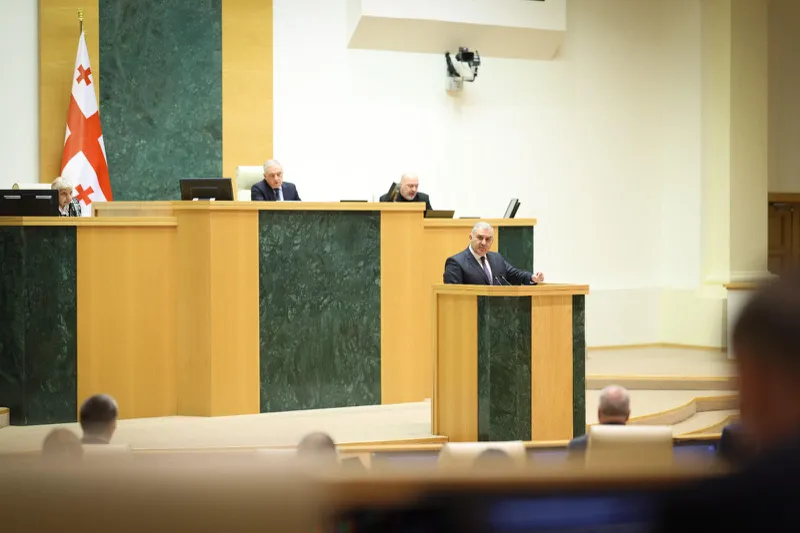
Speaking in Parliament, Sarjveladze stated that between 2023 and 2025, the population paid a total of GEL 853 million less for medicines as a result of the reform. He claimed that this represents an average reduction of around 40% compared to projected costs without the policy.
The minister noted that reference prices have now been set for more than 7,500 pharmaceutical products, adding that the reform has led to substantial price drops across the retail market.
“After the introduction of the reference pricing mechanism, some medicines have become cheaper by 70–80%, and in certain cases the reduction exceeds 90%,” Sarjveladze said.
He also highlighted state support programmes targeting vulnerable groups, including pensioners and people with chronic illnesses. Minister claimed that recent changes to the chronic disease medication programme have expanded access and strengthened financial protection for beneficiaries.
“The state continues to work to further enhance financial security for target groups within the programme,” he said, adding that it covers people with disabilities, pensioners with chronic conditions, and other eligible groups.
Sarjveladze dismissed criticism regarding the affordability of medicines for pensioners, calling such claims “cheap speculation.”
“Assertions that pensioners have to spend their entire pension on medicines are not correct. High-quality treatment for major diseases is ensured through state programmes,” the minister stated.