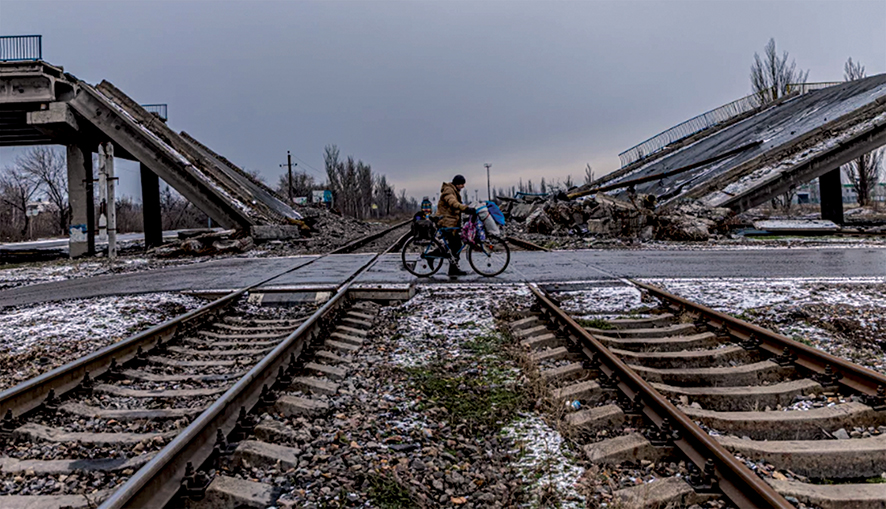
The Russia–Ukraine front line remained largely static this week, but the fighting was anything but quiet. Russia continued to press along several axes in eastern Ukraine with localized advances measured in small distances, while Ukraine sought to blunt assaults with artillery, drones, and counterattacks, and expanded its long-range strike campaign against Russian fuel and logistics nodes. The defining feature of the week, however, was the renewed intensity of Russia’s attacks on Ukraine’s energy system during a deep freeze, magnifying the humanitarian impact far beyond the battlefield.
In Donetsk Oblast, the Pokrovsk sector again drew the heaviest reported combat activity, with Russian forces attempting to exploit gaps and push into villages that would improve their tactical positioning and pressure Ukrainian lines of communication. Ukrainian OSINT analysts at DeepState reported Russian advances in Shakhove on the Pokrovsk front, describing continued attempts to break through defenses in the broader area. While Russia’s gains in this sector were incremental, the pattern remained consistent: repeated assaults, heavy reliance on glide bombs and drones, and grinding attempts to widen footholds rather than dramatic armored breakthroughs.
Further northeast, the Bakhmut–Chasiv Yar–Kramatorsk complex remained contested, with Russia continuing to probe for openings that could support pressure toward key Ukrainian defensive hubs. DeepState reported Russian advances near, and within, Orikhovo-Vasylivka in Donetsk Oblast, another sign of incremental movement in an area where small terrain changes can matter for observation and artillery coverage. As in other sectors, the pace underscored the attritional reality of the campaign: movement occurs, but slowly, and at high cost in manpower and equipment, a point echoed by broader analytical assessments of the war’s recent offensives.
Ukraine, for its part, prioritized holding key defensive lines while looking for opportunities to claw back ground through limited counterattacks and localized advances. A daily ISW summary carried by Kyiv Post indicated Ukrainian forces “recently advanced near Pokrovsk,” suggesting at least some successful tactical action amid intense pressure. Even when such gains are small, they can disrupt Russian assault group staging areas, force redeployments, and buy time for rotation and fortification — crucial in winter conditions when mobility and logistics are harder for both sides.
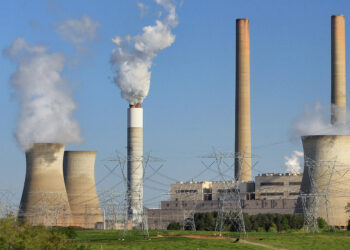
The air-and-drone war again shaped operations on the ground. Russia maintained a high tempo of Shahed-type drone attacks and missile strikes, increasingly linked to the goal of degrading Ukraine’s power generation and transmission during extreme cold. Ukrainian officials described the coming weeks as particularly difficult as Russia targets the power sector, with millions affected by outages and heating disruptions in multiple regions. This week’s strikes showed the breadth of the campaign: beyond frontline-adjacent regions, attacks hit major population centers and infrastructure nodes intended to support both civilian resilience and military logistics.
The most lethal incidents reported in international coverage included a strike that killed at least two people in Odesa and wounded 23, while also damaging an energy facility and civilian sites including a school and church; in Kharkiv, power was knocked out across much of the city and surrounding areas after a combined missile-and-drone attack. In a separate overnight wave, Ukrainian authorities said two people were killed in the Kyiv region, with additional injuries reported in Odesa, Zaporizhzhia, and Kryvyi Rih; the same attack set damaged port infrastructure in Odesa and caused localized power outages closer to the front. The cumulative effect of these repeated waves is a rolling crisis: even when power is partially restored, subsequent strikes force new emergency shutdowns, disrupt district heating, and complicate repairs as temperatures plunge.
Ukraine’s energy sector also described persistent, repeated hits. Naftogaz reported another strike on its infrastructure as the month’s attacks accumulated, reinforcing Kyiv’s long-standing argument that Russia is waging a parallel war against civilian endurance and industrial capacity. With demand elevated in freezing weather, officials warned that generation remains insufficient for winter peaks, increasing reliance on imports and scheduled outages — a vulnerability Russia appears determined to exploit.
Ukraine answered with its own deep-strike focus: refineries, depots, and energy-related assets that feed Russia’s military economy and sustain operations. Early in the week, Russia said drone fragments ignited a fire at the Afipsky oil refinery in Krasnodar region, though local authorities reported no injuries and the fire was extinguished. Days later, Ukrainian forces struck the Slavyansk Eco oil refinery in Russia’s Krasnodar region, with Ukraine’s General Staff confirming the hit and describing the facility as part of Russia’s “energy rear” supporting the war effort. Such strikes do not need to permanently destroy facilities to have operational value: repeated disruptions force shutdowns, repairs, tighter air defenses around industrial nodes, and broader logistical friction — and Reuters reporting on Russian refined products output has noted refinery repairs following Ukrainian drone attacks as one factor affecting production and flows.
On the diplomatic track, the week’s military escalation unfolded in parallel with renewed negotiations. US-facilitated talks continued in Abu Dhabi, but Russia’s core position remained unchanged: the Kremlin reiterated demands that Ukraine cede the entire Donbas as a precondition for ending the war, according to Reuters, citing Russian state media. Ukraine, meanwhile, signaled cautious movement on process rather than substance, describing “progress” in the talks even as the fundamental territorial dispute and questions of long-term security guarantees remain unresolved.
Kyiv’s push for binding security arrangements and reconstruction frameworks also remained central. President Volodymyr Zelensky said work continues on a post-war recovery agreement with the United States, framing it as part of a wider effort to lock in support and rebuild capacity after nearly four years of full-scale war. In Europe, political backing stayed firm and increasingly tied to energy resilience: Nordic-Baltic governments issued a joint statement condemning Russia’s destruction of Ukraine’s energy infrastructure and urging an end to strikes that cut off heat, electricity, and water in harsh winter conditions.
Military assistance and defense-industrial support flowed alongside diplomacy. The European Commission presented a major support package for 2026–2027, describing a €90 billion loan-based commitment to help cover Ukraine’s needs over the next two years: a signal to both Kyiv and Moscow that EU support is being structured for endurance, not just emergency response. At the same time, Europe’s air-defense pipeline continued to expand: German firm Diehl said it plans to boost production of IRIS-T air-defense systems used by Ukraine, reflecting the sustained demand created by Russia’s drone-and-missile campaign and the urgent requirement to protect cities and critical infrastructure.
Compiled by Ana Dumbadze