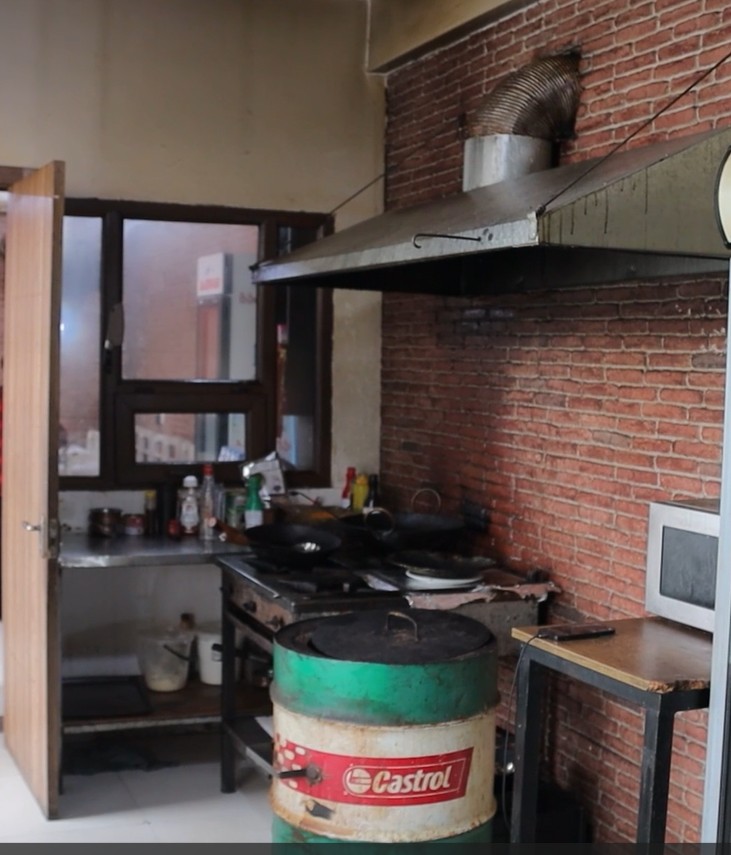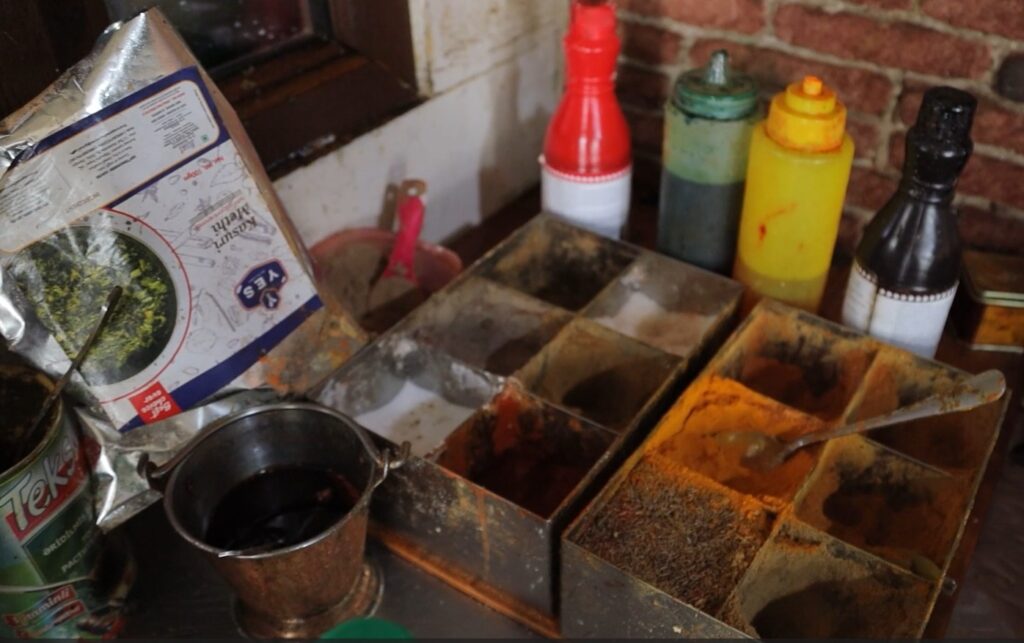
The Tbilisi Department of the National Food Agency of Georgia has intensified inspections of public catering facilities across the capital, identifying critical violations at seven out of 19 establishments checked on February 13.
The inspections, conducted as part of both scheduled and unscheduled state control measures, uncovered serious food safety and hygiene breaches that pose risks to public health.
The Agency said that the violations included:
- Improper cleaning and disinfection of surfaces and equipment
- Malfunctioning ventilation and exhaust systems
- Infrastructure defects creating food contamination risks
- Sale of unlabeled or expired food products
- Temperature control violations
- Presence of rodents at one facility
- Operating without registration in the official business registry
Under Georgian legislation, a ‘critical non-compliance’ refers to violations that threaten human health or life. In such cases, inspectors are authorized not only to impose fines but also to suspend production processes until the issues are fully resolved.
The Agency named the following businesses where critical violations were documented:
- Individual entrepreneur Majeed Shakkeeer – Café-bar restaurant (Berzenishvili St. N4)
- LLC “Al Beik Grills” – Indian restaurant (Lubliana St. 19A)
- “100 Arabic Restaurant” – Fast food outlet (Guramishvili Ave. 27)
- Individual entrepreneur Yashpal Sharma – Indian restaurant (Pekini Ave. 31B)
- LLC “Thai in Town” – Café-bar/restaurant (Kote Abkhazi St. 17)
- Fiesta (LLC “MD Enterprises”) – Café-bar/restaurant (Giorgi Saakadze St. 156, Nadzaladevi district)
- LLC “Sareia Trading” – Ready-meal production and retail (Petre Bagrationi St. 33)
In addition to food safety breaches, several operators were found to be functioning without proper registration in the economic activity registry.
Inspectors fined the business operators within the law and suspended production processes at the affected facilities until all violations are corrected.
The Agency stated that businesses may resume operations only after addressing the identified deficiencies and undergoing repeat inspection. If follow-up control confirms that critical violations have been eliminated, the Agency will grant permission to continue production.