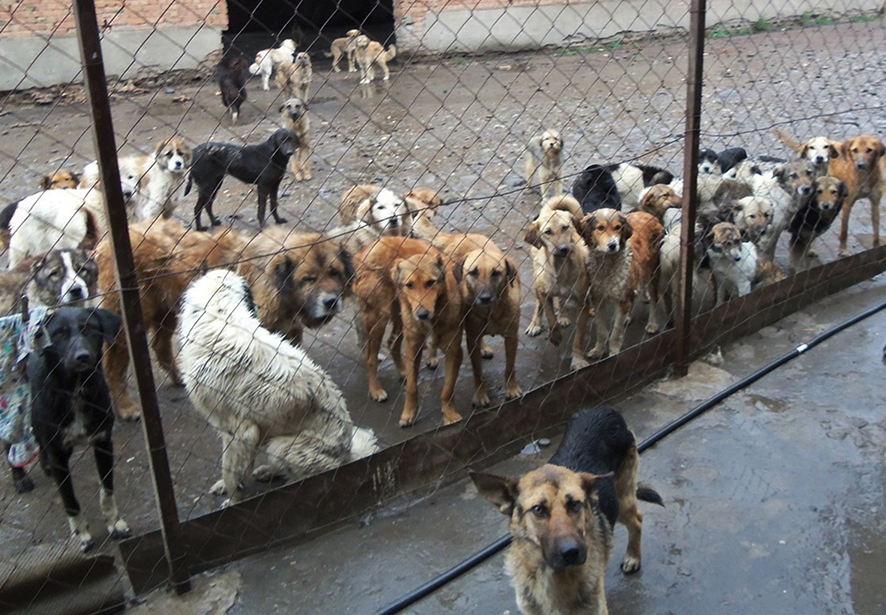
Outrage is mounting in Georgia over the treatment of stray dogs after video footage showed smoke rising from the Gori municipal shelter crematorium, sparking fears that animals were being killed inhumanely.
The Shida Kartli Intermunicipal Agency for Stray Pets denied the claims, insisting that the crematorium is used only to dispose of waste from veterinary procedures or animals that have already died. “The information spread about the burning of homeless dogs in the crematorium is false,” the agency said.
Despite these assurances, activists remain unconvinced. Tamaz Elizbarashvili shared footage showing smoke and described a “terrible smell of burnt meat and fur,” alleging that dogs had been transported to the facility at night by the National Food Agency, an accusation the agency denies.
Legal advocates have also questioned the shelter’s explanation.

Temo Jobadze of Lost and Found Animals argued that, if true, burning dog carcasses could constitute a serious legal violation. “Euthanasia is permitted only for animals with incurable disease, severe injury, or extreme aggression, and must be carried out under strict veterinary supervision,” Jobadze wrote. He added that there are no records of controlled medication use or official death certificates, and that burning bodies without refrigeration or documentation may destroy evidence. “The most logical explanation,” he said, “is that the animals were either killed inhumanely or burned, and the oven was used to destroy evidence.”
The controversy is part of a wider debate over the National Food Agency’s stray animal program, launched in 2025 under the Law on Companion Animals and Decree No. 1019. The pilot program aimed to sterilize, vaccinate, and register 9,000 animals in specific municipalities. While the program’s goals are supported by many animal welfare advocates, a joint statement from over 25,000 citizens and more than 40 organizations warns that its implementation has been deeply flawed.
According to the statement, a significant number of animals were never returned to their original locations, and caretakers were left without information about their whereabouts. Many animals that had already been sterilized and tagged were unnecessarily removed, exposing them to stress, long-distance transport, and the risk of disease in crowded shelter conditions. “Transporting animals over long distances and confining them with large numbers of unfamiliar dogs is an additional source of stress that runs counter to humane population management,” the statement said.
Incidents in western Georgia have brought these concerns to life. Zero Strays Georgia reported that on March 30, approximately 65 stray dogs were removed from Zugdidi to a shelter in Kutaisi. Most of the dogs were already sterilized and vaccinated, but locals were not informed of their location or when they would return. Many were released into an uninhabited area near a hazelnut factory and a highway, creating risks of starvation, disorientation, and accidents. Volunteers observed the animals fighting in cramped transport cages, and many were not given new tags, undermining official assurances about record-keeping.
Zugdidi-based activist Salome Partsvania described rushing to the city center after noticing dogs she had been caring for had disappeared. “I was crying and begging them not to take at least the tagged dogs. I wanted to check if the dogs I had been feeding and caring for were inside the vehicle, but they wouldn’t let me,” she said. Officials told her the animals would undergo veterinary procedures and be returned later.
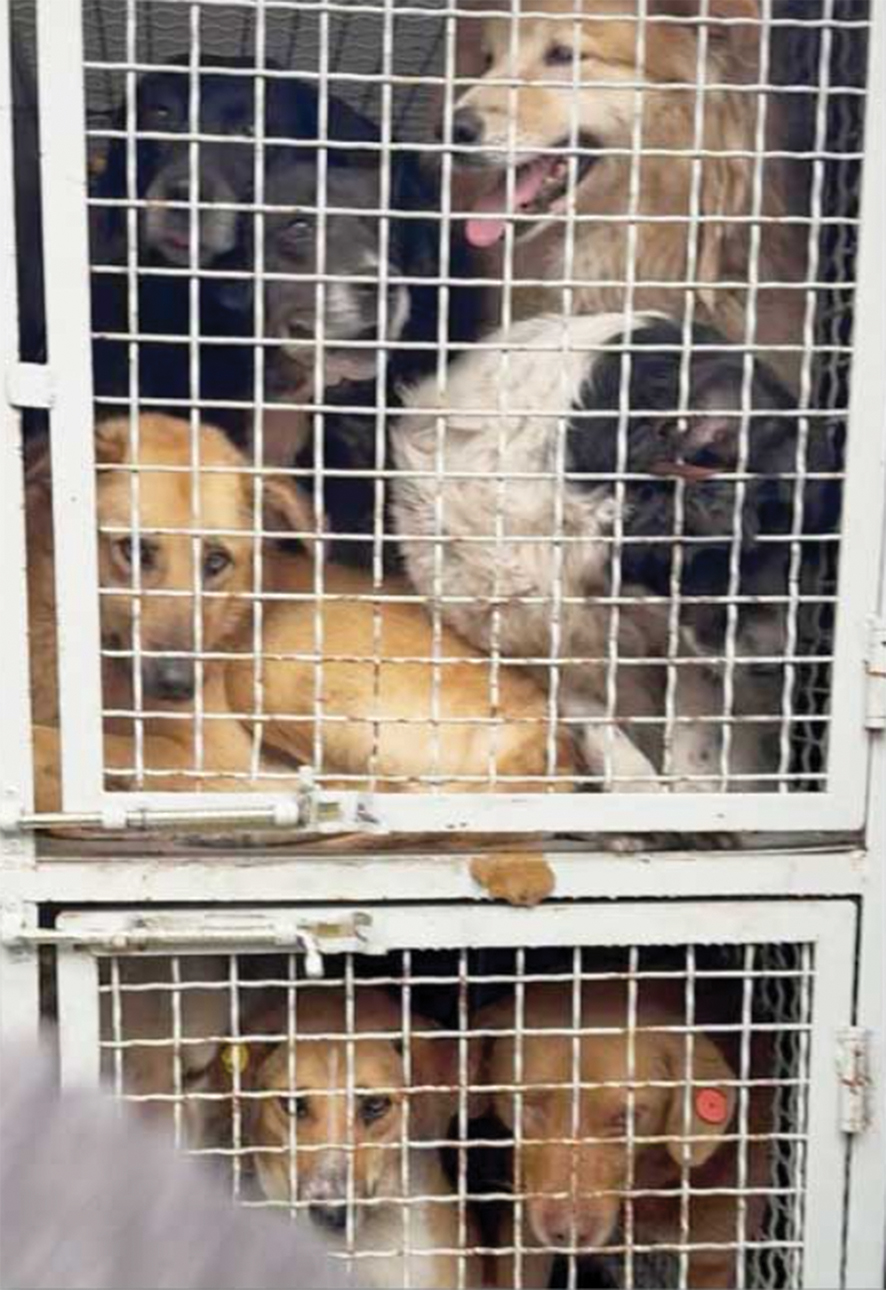
Zero Strays Georgia added that, “For the second year now, under the guise of a pilot sterilization program, stray dogs are being taken off the streets and never returned. Among them are dogs that are already sterilized, cared for, vaccinated, and harmless. Staff at the National Food Agency and at shelters privately confirm that the animals are being abandoned in remote, uninhabited areas. This amounts to condemning them to a slow, agonizing death. This practice is categorically unacceptable in any modern, civilized, empathetic society. It is also ineffective: the main driver of stray overpopulation is uncontrolled breeding in households: a problem that has not been addressed. The removed dogs are quickly replaced by new ones. Stop the inhumane culling of animals immediately. Implement a proper sterilization and neutering program and curb uncontrolled breeding. The stray overpopulation problem can be humanely resolved within a few years.”
Government officials have sought to reassure the public. Deputy Minister of Environmental Protection and Agriculture Lasha Avaliani said a law adopted last year governs domestic animals and specifies where they may be kept or returned. “The law states that in a number of places, the keeping of animals is limited, such as kindergartens, schools, and medical institutions,” Avaliani said. He stressed that dogs taken from shelters will be returned to urban areas, not abandoned locations. “As of today, those animals [from Zugdidi] that have been sterilized and castrated will be returned in 12 of the remaining 29 cases. The remaining 17, after their rehabilitation period, will likely be returned this evening or tomorrow morning,” he said.
Despite government reassurances, protests continue in Tbilisi, and a demonstration is planned in Gori on April 4 at 3 pm., as activists demand transparency, legal guarantees that animals will be returned to their original communities, and documented evidence of all procedures.
By Team GT