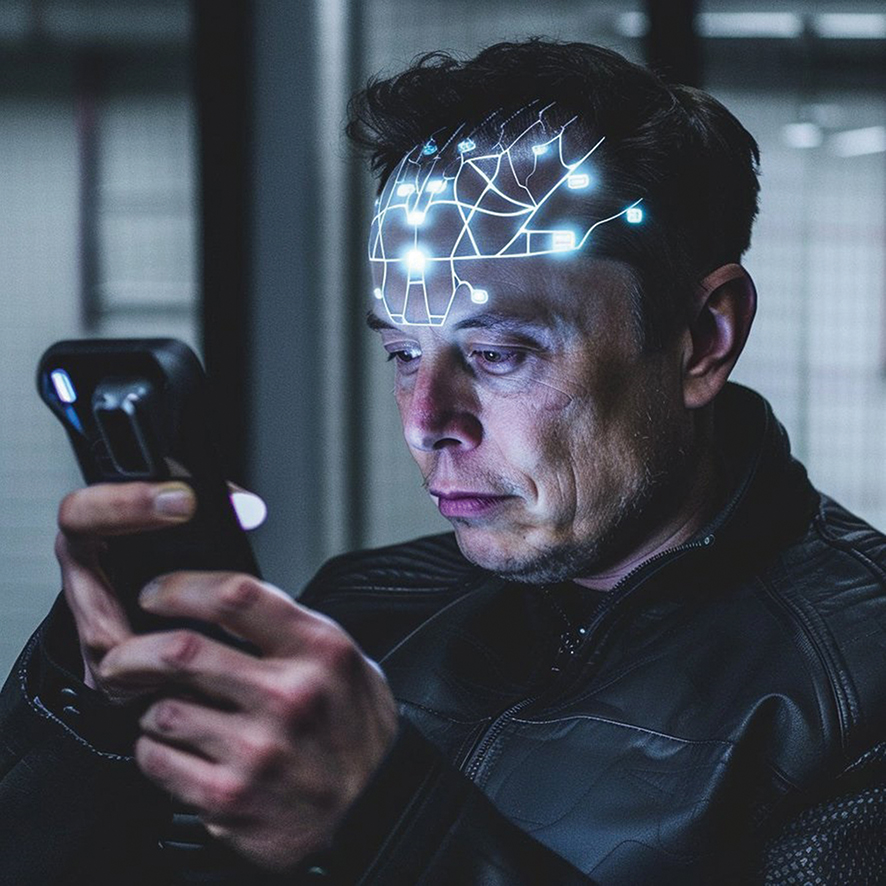
In our childhood, we were often told a fairy tale in which a magic mirror sat in the hands of a beautiful princess or a wicked witch. We could hardly believe it was true, but tended anyway to maintain faith that magic mirrors truly existed. Just in the twinkle of an eye, something smarter than a plain magic mirror was invented by man, which we now carry everywhere at all times, touch and look at, pick up or disconnect from at least a hundred times a day. Our smartphone is the last thing we see before we go to sleep and the first thing we touch as soon as we open our eyes in the morning. And, most importantly, it is not I who says this but the great Elon Musk himself, who thinks that our smartphone is not just a trivial tool. It changes our mood, alters our focus, and modifies our decisions. We usually feel apprehensive if we accidentally leave it in another room and panic out of our wits upon noticing that it is not in one of our pockets, the disorientation being so severe that we seem to have lost part of ourselves.
Elon also says that somewhere along the way between the moment smartphones became part of our lives and today, something essential has changed – we started living with their help, and we began experiencing reality through a screen. Here is what he literally gives as a mind-boggling example: we are at a concert, and instead of watching the performance with our own eyes, we are watching it through our phone screen, recording something we’ll probably never watch again; or we are at dinner with friends, and we’re photographing our food before we taste it so that we can share it with others; or we are on vacation in a beautiful place, but we are more concerned with getting the perfect photo for our social media than actually absorbing the beauty of where we happen to be.
Elon Musk, the genius observer of the real-life canvas, says that he always feels a strange emptiness when the battery dies and suddenly feels cut off from the world even when he is standing among people. “Our smartphones connect across continents and let us run our business from anywhere in the world, “he continues, with a childish amazement in his tone, “we order food, call a ride, transfer money, learn a new skill, find answers to the most complex questions, all from a device that fits in our palm.” Moreover, he says, via our cellphones, we have access to more information than the greatest libraries of ancient civilizations.
And here is what he says the phones are doing to us at the same time: they know more about us than most people in our lives; they know where we were today, what we searched for last week, who we talked to, how many hours we slept, what stores we visited, what songs move us, what articles irritate us, they know our dreams through the videos we save, they know our weaknesses through what we click on again and again, they know when we’re sad, when we’re bored, when we’re anxious, when we’re avoiding something important, and they use this information to predict, nudge, and trap us; and they use this knowledge about us not to make our life better, but to keep us engaged, glued to the screen for as long as possible, because every minute we spend on our phone is a minute they can monetize; every click is profit.
The paradox is undeniable: phones bring us closer, yet often make us feel more alone; phones give us constant access to information and entertainment, yet also constant distraction from what actually matters; they help us grow, learn, and develop, but they also quietly drain our energy, our attention, our capacity for deep thought. Take teenagers, for instance – phones have unimaginable effects on them, and not necessarily positive. And this is just a drop in the bucket.
Elon Musk’s social and psychological analyses of what smartphones are doing to contemporary humans are a unique piece of aid from a shrink to us, and telling my reader to get into its details might be the best chunk of advice I have lately given to anybody. Its useful narrative is very long, and it might take a lot of time to go through. Just a little heads-up!
Op-ed by Nugzar B. Ruhadze