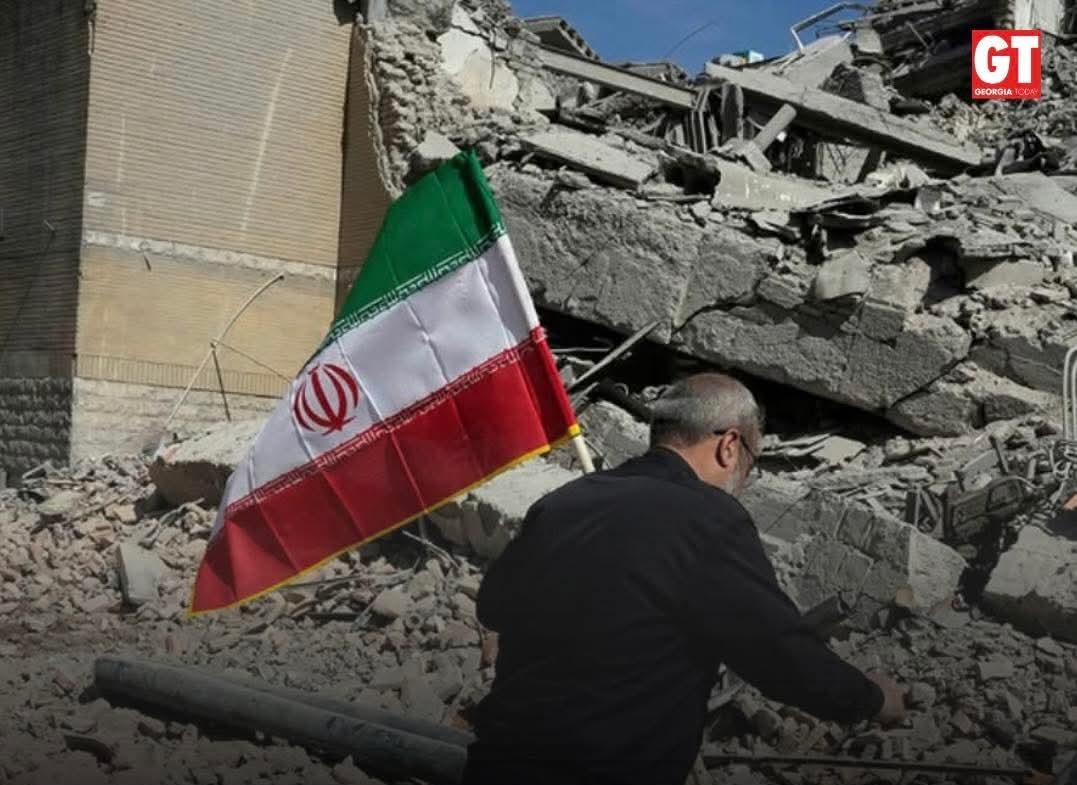
Iran has rejected a US-backed proposal for a temporary ceasefire, instead putting forward its own conditions aimed at achieving a permanent end to the ongoing war, based on Iranian state media and international reports.
The proposal, reportedly mediated through regional actors including Pakistan, envisioned a short-term truce that would allow for negotiations and the reopening of the strategically vital Strait of Hormuz. However, Tehran dismissed the plan, arguing that any agreement must address the root causes of the conflict, including sanctions relief and long-term security guarantees.
Iran’s counterproposal includes demands for a comprehensive cessation of hostilities, reconstruction support, and mechanisms to ensure safe navigation through the Strait of Hormuz — a critical global energy corridor through which around one-fifth of the world’s oil and gas passes.
The rejection comes amid sharply escalating rhetoric from US President Donald Trump, who has repeatedly threatened to intensify military action if Iran does not reopen the strait. In recent statements, Trump warned that Iranian infrastructure — including bridges and power plants — could be targeted if no agreement is reached.
Such threats have drawn concern from legal experts, who argue that attacks on civilian infrastructure not directly contributing to military operations could constitute violations of international humanitarian law. Under the Geneva Conventions, civilian objects are protected unless they are being used for military purposes, and deliberate targeting of such infrastructure may amount to a war crime.
The conflict, now in its second month, has already caused significant regional and global disruption. Iran’s effective closure of the Strait of Hormuz — following US and Israeli strikes — has severely impacted global energy markets, with tanker traffic collapsing and oil supplies disrupted on an unprecedented scale.
Efforts to broker a diplomatic breakthrough have been complicated by deep mistrust between the parties, as well as ongoing military operations across the region. While Washington has signaled openness to negotiations, Iranian officials remain skeptical, accusing the US of using ceasefire proposals as a tactical pause rather than a genuine step toward peace.
With mediation efforts continuing and a potential IMF warning already highlighting global economic risks, the situation remains volatile, with both sides maintaining hardline positions and the risk of further escalation looming.