The Middle East stands at a critical geopolitical crossroads after the death of Iran’s long-time Supreme Leader Ayatollah Ali Khamenei, who was killed in a joint United States–Israel military operation that struck multiple Iranian leadership and military targets over the weekend. This has triggered a leadership transition in Iran and intensified the already serious conflict with Israel and US forces.
Iran has confirmed that Ayatollah Ali Khamenei, the nation’s most powerful political and religious figure since 1989, was killed in the strikes. His death marks the first abrupt leadership void in the Islamic Republic since its founding.
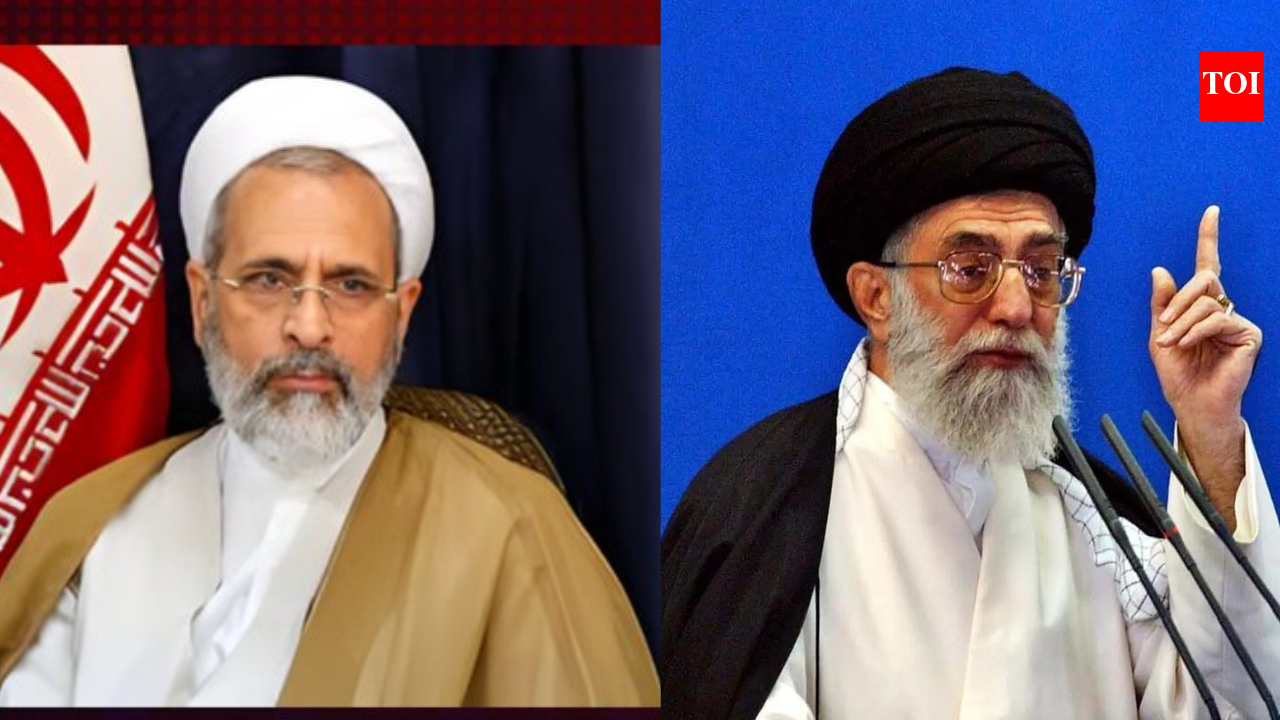
Under Iran’s constitution, a temporary leadership council has taken charge while the country begins the process of choosing the next supreme leader. Reports indicate that Ayatollah Alireza Arafi, a senior cleric, has been named interim Supreme Leader, though formal confirmation and wider support from Iran’s Assembly of Experts are still underway.
Iranian President Masoud Pezeshkian has reiterated that selecting Khamenei’s successor is both the “legitimate duty and right” of the nation, with the constitutional mechanisms underway to appoint a permanent new leader.
With no direct heir named by Khamenei before his death, Iran’s Assembly of Experts — the clerical body responsible for choosing the supreme leader — is expected to convene soon to confirm a new permanent leader. A leadership council including key figures such as the president, judiciary head, and senior clerics is currently steering the country amid war conditions.
Political insiders also suggest other high-profile leaders could play roles in the next stage of Iran’s transition, including seasoned politician Ali Larijani and members of Iran’s clerical establishment.
The strikes that killed Khamenei were part of a broader military campaign by the US and Israel — reportedly dubbed Operation Epic Fury — which targeted over 500 strategic Iranian military and leadership sites. Israel Defense Forces have stated that dozens of senior Iranian commanders were killed in the initial assault.
In response, Iran has launched missile and drone attacks against Israeli and US forces across the region, including bases in several Middle Eastern countries. Iran’s leadership has publicly vowed revenge for Khamenei’s death, with President Pezeshkian calling retribution a national duty.
The surge in hostilities has produced widespread concern about further escalation in the Middle East, with civilian casualties and destruction reported in both Iran and neighboring countries. Global powers are urging restraint, but Tehran’s hardline factions are promoting strengthened resistance.
Iran is navigating a volatile transition after the loss of its supreme leader, with an interim leadership structure now in place and constitutional procedures expected to identify a new permanent leader. Meanwhile, war between Iran and Israeli-US forces continues to escalate, raising serious regional and global security concerns.
Image source: The Times of India