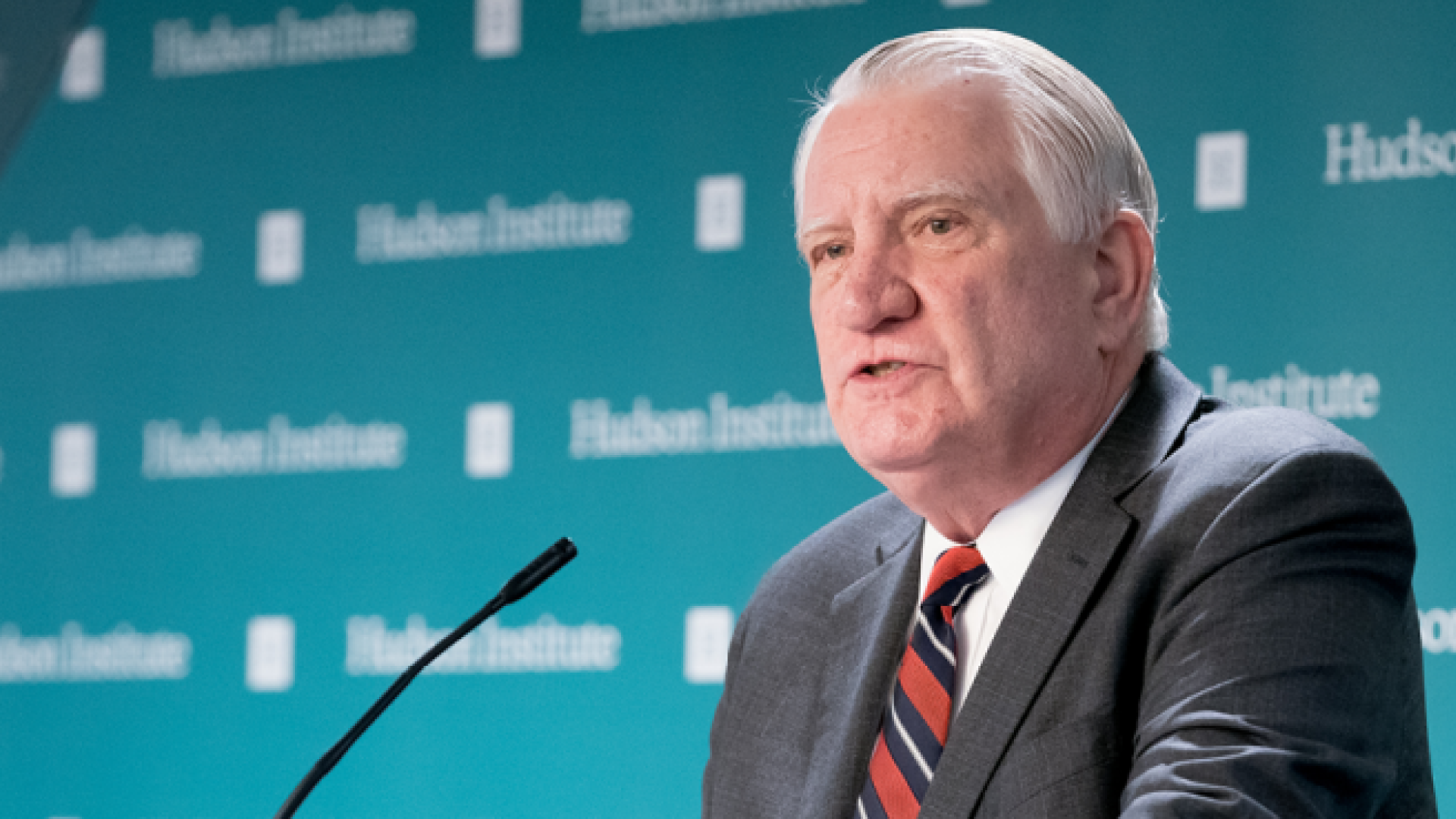
The president of the Washington-based Hudson Institute, John P. Walters, has expressed “serious concern” over an investigation launched by Georgia’s State Security Service following the publication of a report examining Iran’s growing influence in the country.
The report was co-authored by Luke Coffey and Georgian analyst and politician Giorgi Kandelaki, and focuses on the expanding political, economic, and security footprint of the Iran in Georgia.
In a statement, Walters defended the report and its authors, stressing that the publication followed the think tank’s research standards and relied entirely on open sources.
“This is a publication produced by the Hudson Institute in accordance with the institute’s research standards. The report is based on verified information that is publicly available, as noted throughout the report’s endnote citations, and the Hudson Institute stands firmly behind its findings,” Walters said.
He described the report as an important warning about regional security trends.
“This report should serve as a wake-up call, especially at a time when Iran serves as a destabilizing force in the region.”
Walters also criticized the decision by Georgian authorities to open an investigation in connection with the report, arguing that the focus should instead be on addressing the issues raised in the research.
“Rather than launching an investigation against the authors of the report, the authorities should be concerned about the findings, which overwhelmingly rely on publicly accessible information that the authorities should already be aware of,” he said.
Walters claimed that the report presents a systematic picture of Tehran’s expanding influence in Georgia.
“The report outlines a clear and systematic picture of the expanding influence of the Islamic Republic of Iran in Georgia. These developments run counter to the interests of both Georgia and the United States and warrant serious attention.”
The report by Coffey and Kandelaki examines several areas where Iranian influence has reportedly increased in Georgia, including economic activity, cultural outreach, and potential networks connected to Tehran.
The issue has drawn attention amid heightened regional tensions involving Iran and its allies, as well as growing scrutiny in Western policy circles over Tehran’s activities in countries located along key geopolitical corridors.
The Hudson Institute, a prominent US policy think tank focused on security and foreign policy, frequently publishes research on geopolitical risks and international security challenges.
The investigation by Georgia’s State Security Service has sparked debate among analysts and political observers about freedom of research and the government’s response to critical policy reports.
(Photo: Jessica Latos Photography)